Meet

Neura HQ,
Your connected AI Agent Workforce Know more




TLDR
The end of the year brings a strange feeling of anticipation and slight envy among direct-to-consumer (D2C) marketers. It’s the time of the year when social media feeds fill with colorful, personalized infographics generated by tech giants like Spotify and Strava. This "Spotify Envy" is real. We watch these recap campaigns dominate conversations, generating millions of organic impressions, and wonder: Can my brand achieve that level of customer love and virality?
A common misconception is that sophisticated data visualizations are only achievable for services like streaming or fitness tracking. Brands selling physical products like coffee, shoes, or skincare often assume, "I sell a tangible item; I don't have enough data for a meaningful recap."
The reality is different: you possess the most valuable data of all, purchase history and brand values. This information, when transformed into a narrative, forms the basis of a powerful marketing tool.
The stakes are higher than ever. As Customer Acquisition Costs (CAC) continue to rise across all platforms, retention is the survival metric for modern businesses. Research indicates that increasing customer retention rates by 5% can increase profits by 25% to 95%. A well-executed year-in-review Email is the ultimate soft-touch retention play. It builds profound customer loyalty and affinity by celebrating the customer's journey, all without explicitly asking for a sale.
This guide will explore how to craft an impactful year-in-review email strategy and help you capitalize on this critical end-of-year marketing moment.
Year-in-review emails are an essential component of a successful end-of-year email campaign. They work because they tap into fundamental human psychology in ways a standard sales email cannot.
Humans are predisposed to find comfort and connection in looking back. Year-in-review emails capitalize on the power of nostalgia by framing the past year as a shared success story between the customer and the brand. Reminding users of their initial purchase, their favorite product, or a milestone reached with your product fosters a deeper, more emotional connection. This psychological bonding helps move the brand relationship from transactional to relational.
The core reason these emails are so effective is that they are deeply personal. Unlike promotional emails focused on what the brand is selling, the recap is about the customer and their achievements.
People inherently love reading about themselves. When a year-in-review email tells a customer, "You bought 12 bags of coffee this year," it’s a validation of their routine and preference. This hyper-personalization makes the customer feel seen and valued as an individual, not just another line item in a quarterly report.
The inherent structure of these recaps—colorful visuals summarizing a customer’s year—makes them highly shareable. When a user sees their personalized card, whether it’s their listening stats or total number of orders, they’d want to share it with the world. Instinctively, they post on social media. This public declaration functions as powerful, organic social proof.
The customer becomes an enthusiastic brand ambassador, generating millions of dollars in free marketing for companies like Spotify.
Year-in-review emails are often a powerful wake-up call for users who have become dormant or less active. The email reminds them of the value, utility, or pleasure they previously derived from the product or service. Seeing their past engagement, even a small amount, can trigger a desire to re-engage. For instance, a customer who hasn't bought coffee in six months might see their consumption stats and realize, "I really loved that blend," prompting them to place a new order.
D2C brands selling physical goods can create compelling year-in-review emails even without the complex behavioral data of an app-based service. The secret lies in creatively transforming purchase history into a meaningful customer story.
Best for: Coffee, Supplements, Pet Food, Meal Kits, Diapers.
This strategy focuses on quantifying the customer’s habits and how the product integrates into their daily life. The goal is to reinforce the routine and celebrate consistency.
Best for: Apparel, Jewelry, Decor, Accessories.
This approach uses purchase data to flatter the customer, positioning them as an influential buyer and a trendsetter.
Best for: Sustainable Goods, Ethical Fashion, Brands with Charitable Give-Back.
This is a powerful strategy for brands where the value proposition extends beyond the product itself. It uses the customer’s purchase power to tell a story of shared impact.
If individual-level data is too difficult or sparse, a community-focused recap is a perfect alternative for you. This strategy leverages the power of social proof and the "bandwagon effect."
1. Data Accuracy: A spectacular design cannot save an email with incorrect data. A bad data experience is worse than no data at all; it can be insulting to the user. Imagine a ride-share app sending an email saying, "You took 0 rides," to a frequent customer. That’s why you need to make sure the data you attach is accurate.
2. Visual Storytelling is Non-Negotiable: A Year-in-Review Email is not a text memo; it is an infographic. Avoid dense walls of text. Use bold, contrasting colors, dynamic charts, and custom icons to represent data points. Visualizing metrics instantly reduces cognitive load and makes the information more engaging.
Consider using animated GIFs or small video clips to bring the data to life. This is where your design team’s expertise must shine.
3. Handle the Comparison Trap Gracefully: Not all customers are "Power Users." You must navigate the "Comparison Trap" carefully. Never shame or ignore customers with "low" numbers.
4. Mobile Optimization is Crucial: The viral success of a Year-in-Review Email often happens when users share their personalized card on Instagram Stories or TikTok. This means the vast majority of recipients will open and consume the email on a mobile device.
5. The Call-to-Action (CTA) Must Be Soft: The primary goal of the Year-in-Review Email is retention and loyalty, not hard sales. The Call-to-Action (CTA) should reflect this soft-touch approach.
6. Timing is Everything: Marketers debate the perfect send time: mid-December or early January.
7. Subject Lines that Click: The subject line is the gatekeeper to your incredible creative work. They must leverage curiosity and personalization. The best-performing subject lines often fall into two categories: a direct call to action or one that hints at valuable, personal data.
The initial and most crucial step is to identify what metrics you can realistically track and pull into an email.
Sending a deep dive to a customer who only signed up last week is irrelevant and awkward. You must segment your audience.
Your email service provider (ESP) must be leveraged to pull personalized data points.
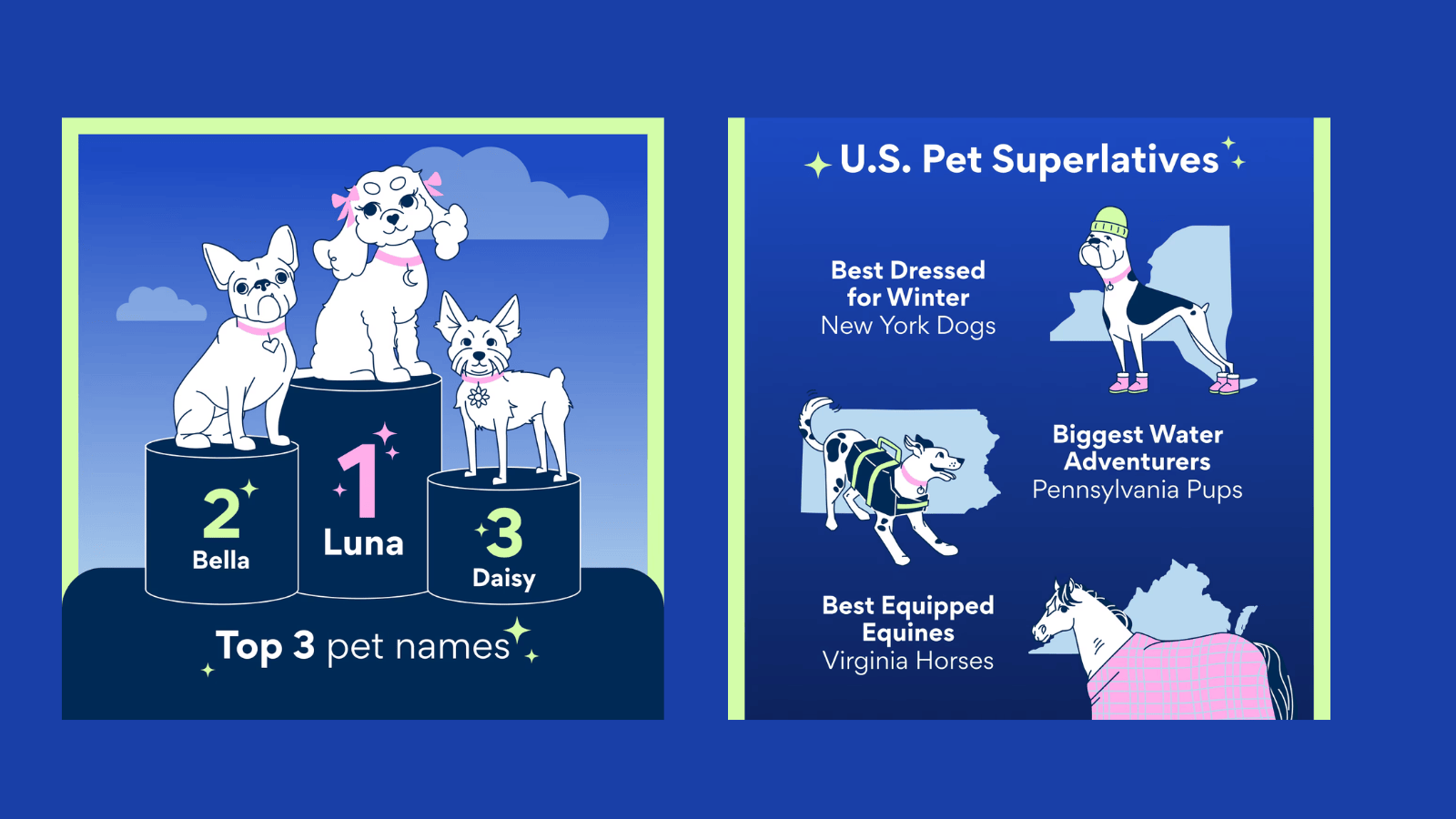
The Strategy: Chewy, the online pet supply retailer, leverages the deep emotional bond between a pet owner and their animal. They frame the recap not around dog food sales, but around the pet's journey.
Why it Worked: They use profile data to address the email to the pet's name, e.g., "A Year in the Life of Buddy." Data points included total food weight, number of toys bought, and even humorous categories like "Most Common Treat." This shifts the focus from a transaction to a celebration of the customer's identity as a loving pet owner. The use of a pet's name increases emotional resonance and open rates dramatically.

The Strategy: Spotify’s success is built on packaging personalized data into easy-to-digest, highly aesthetic, and supremely shareable "cards." They don't just report listening time; they translate it into a personality.
Why It Worked: The introduction of the "Listening Personality"—assigning users titles like "The Time Traveler" or "The Alchemist" based on their listening habits—elevates simple data into a fun, public identity statement.
The vibrant, mobile-optimized design and single-tap share function guarantee virality.
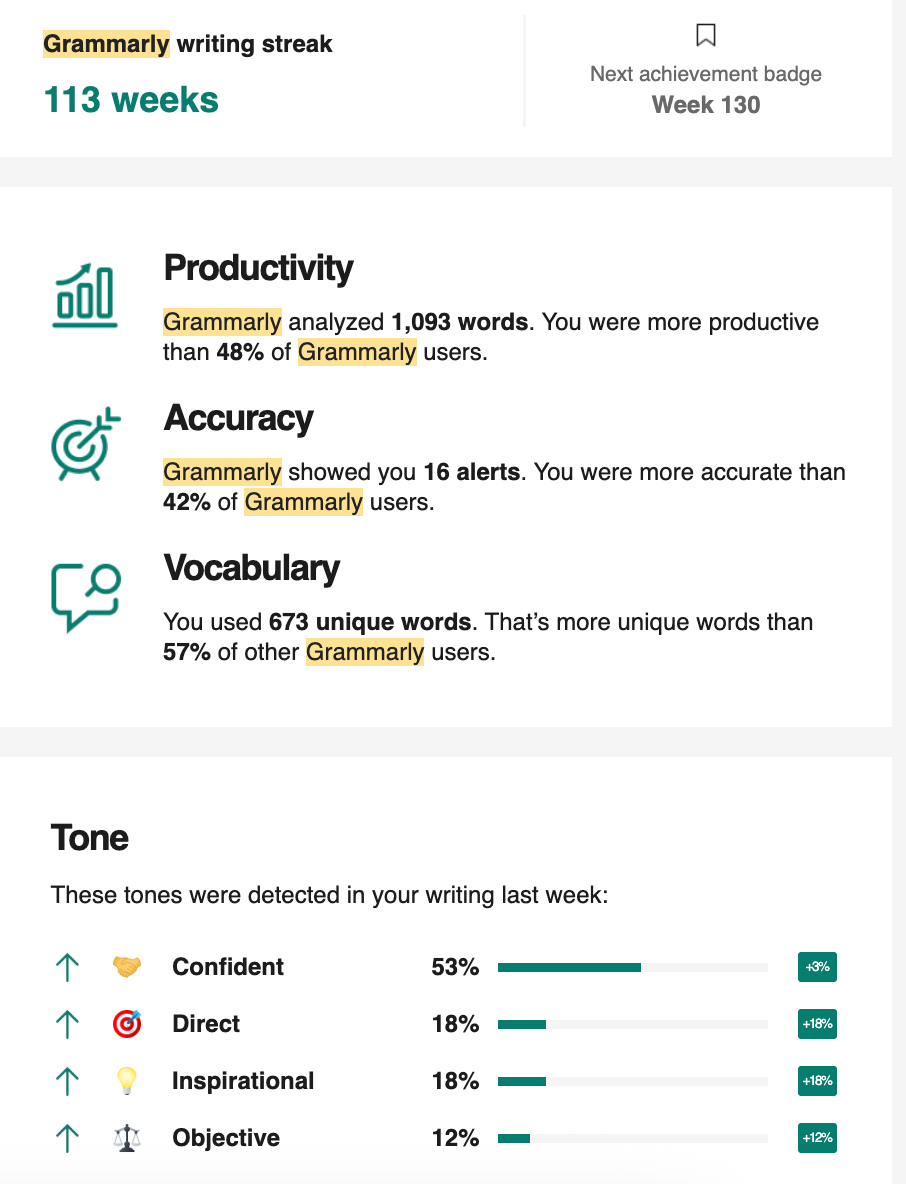
The Strategy: For a utility service focused on correcting errors, Grammarly needed to reframe their data to focus on achievement and productivity, not mistakes.
Why it Worked: They focus on the positive outcome. Stats include "Total Words Checked," "Unique Vocabulary Used," and "Total Productive Hours Saved." Framing the corrections as a boost to confidence rather than a record of errors corrected fosters a powerful sense of accomplishment in the user.
The Year-in-Review Email is a fundamental relationship-building tool. Its value lies in its ability to humanize your brand and celebrate the customer's journey. In an era where customer retention is the leading indicator of long-term profitability, these personalized recaps serve as the ultimate soft-touch strategy.
Start small. If you cannot yet execute complex, individual data visualizations, begin with the simple but effective "Top 10 Products of the Year" or the "Impact" profile. The goal is simply to acknowledge the milestone and thank your customers for their support. The brands that win in 2026 will be the ones that master data storytelling.
Ready to leverage your complete customer data for hyper-personalized campaigns? Book a ZEPIC demo and see how our Marketing OS unifies your data and transforms it into 1:1 customer engagement at scale.

%201.png)


.png)