Meet

Neura HQ,
Your connected AI Agent Workforce Know more

Gone are the days when businesses could rely on one channel to reach their customers. Today, your target audience spends most of their time across different digital platforms, and they expect a cohesive experience wherever they interact with your brand.
This is where omnichannel marketing software comes in. It empowers you to engage effectively across every channel your audience uses. But with so many options in the marketplace, how will you find the one for you? Let us help you understand what omnichannel marketing software does, why it matters, and how to choose a platform that aligns with your business goals.






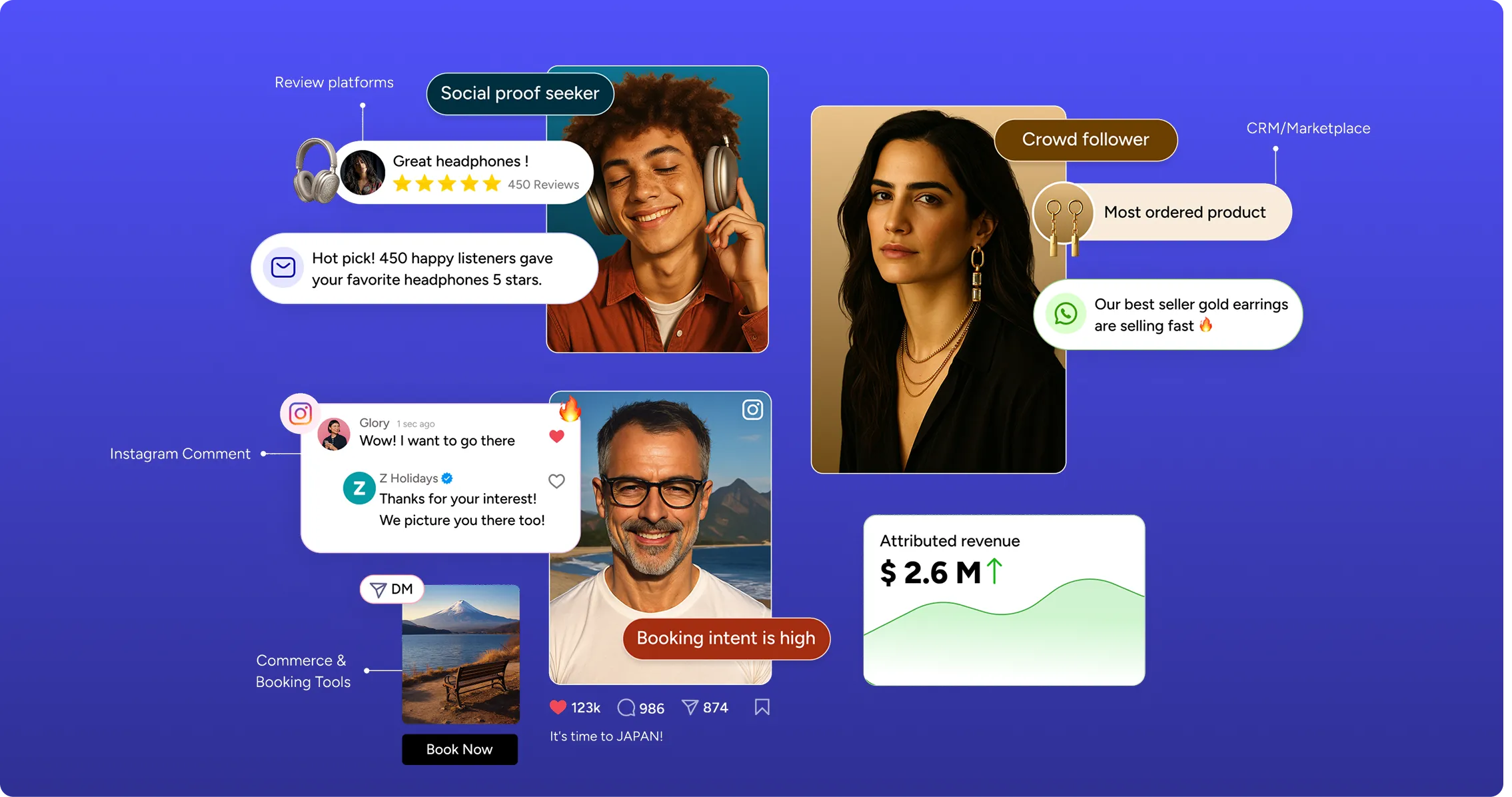
ZEPIC is a new-age omnichannel marketing platform built with a powerful Customer Data Platform (CDP) at its core. It currently enables brands to run cohesive campaigns across Email, WhatsApp and Instagram with other channels in development. What sets ZEPIC apart is its real-time data unification, AI-powered segmentation, and smart automation tools that help businesses personalize journeys without needing to juggle multiple tools. It's ideal for growth-focused brands looking to centralize communication and maximize impact
.png)

Intuitive interface with minimal learning curve
AI-driven campaigns reduce campaign creation time
Fast onboarding and responsive support
Real-time behavioral targeting across all customer touchpoints
In-built unified customer data platform
.svg)
.svg)
Instagram, SMS and other channels are in development
Still building traction with enterprise clients




Flexible pay-as-you-go option
Free trial available
No long-term contracts required
.svg)
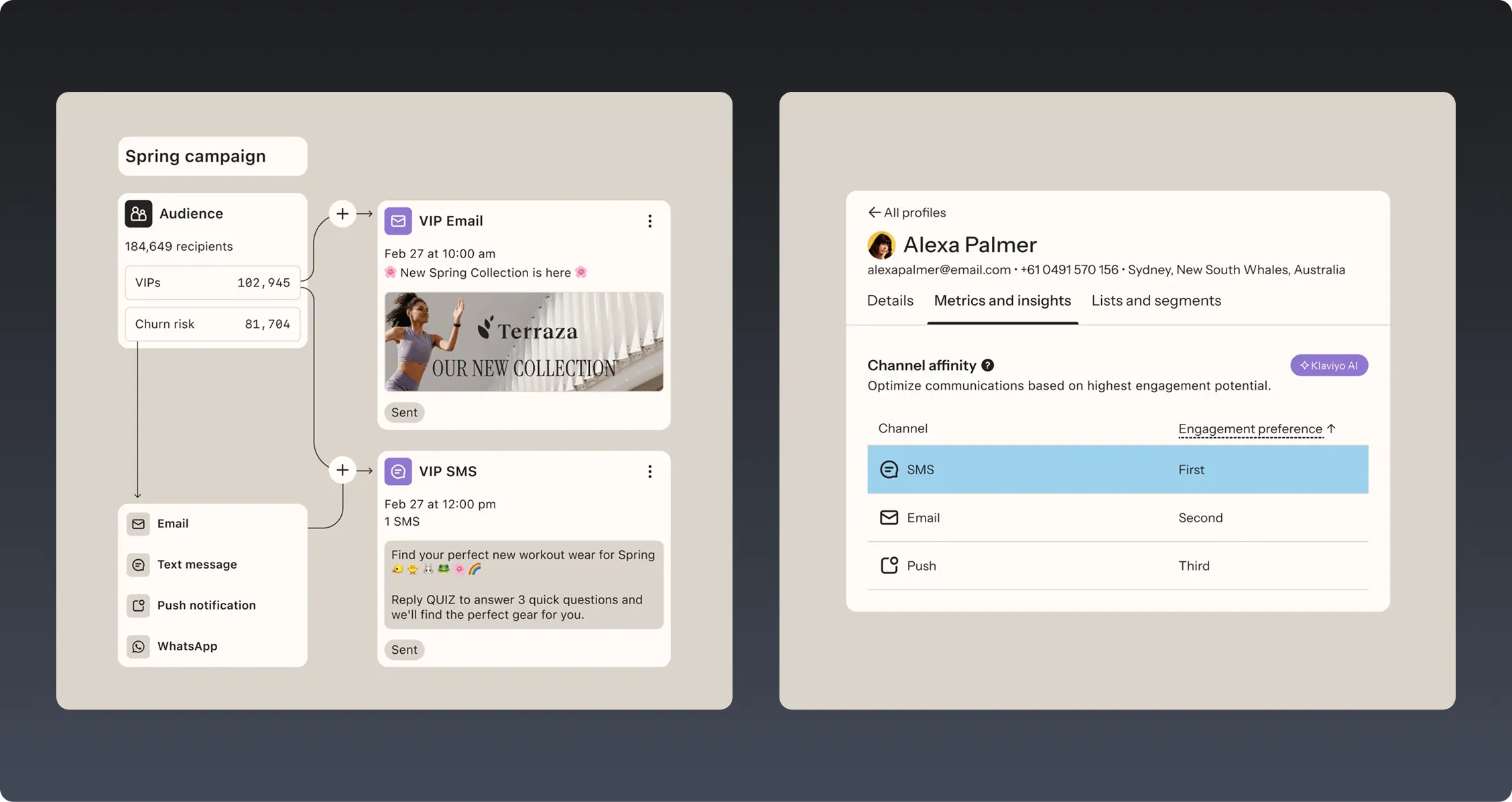
Klaviyo is a well-established marketing automation platform recognized for its robust email marketing capabilities, specifically designed for e-commerce brands. It offers detailed behavioral segmentation and has expanded to support SMS, WhatsApp, and push notifications. However, its CDP functionality comes at an additional cost, which can drive up pricing as businesses scale. While powerful, Klaviyo’s architecture and pricing reflect its legacy as an early player in the space.
Extensive multi-channel options
Extensive integration ecosystem
Excellent product recommendations feature
Strong email & SMS Automation
CDP functionality comes at a cost
As contacts grow, pricing can become steep.
No data transformation capabilities


Contact-based pricing
Fee trial availability
The pricing plan starts at $45
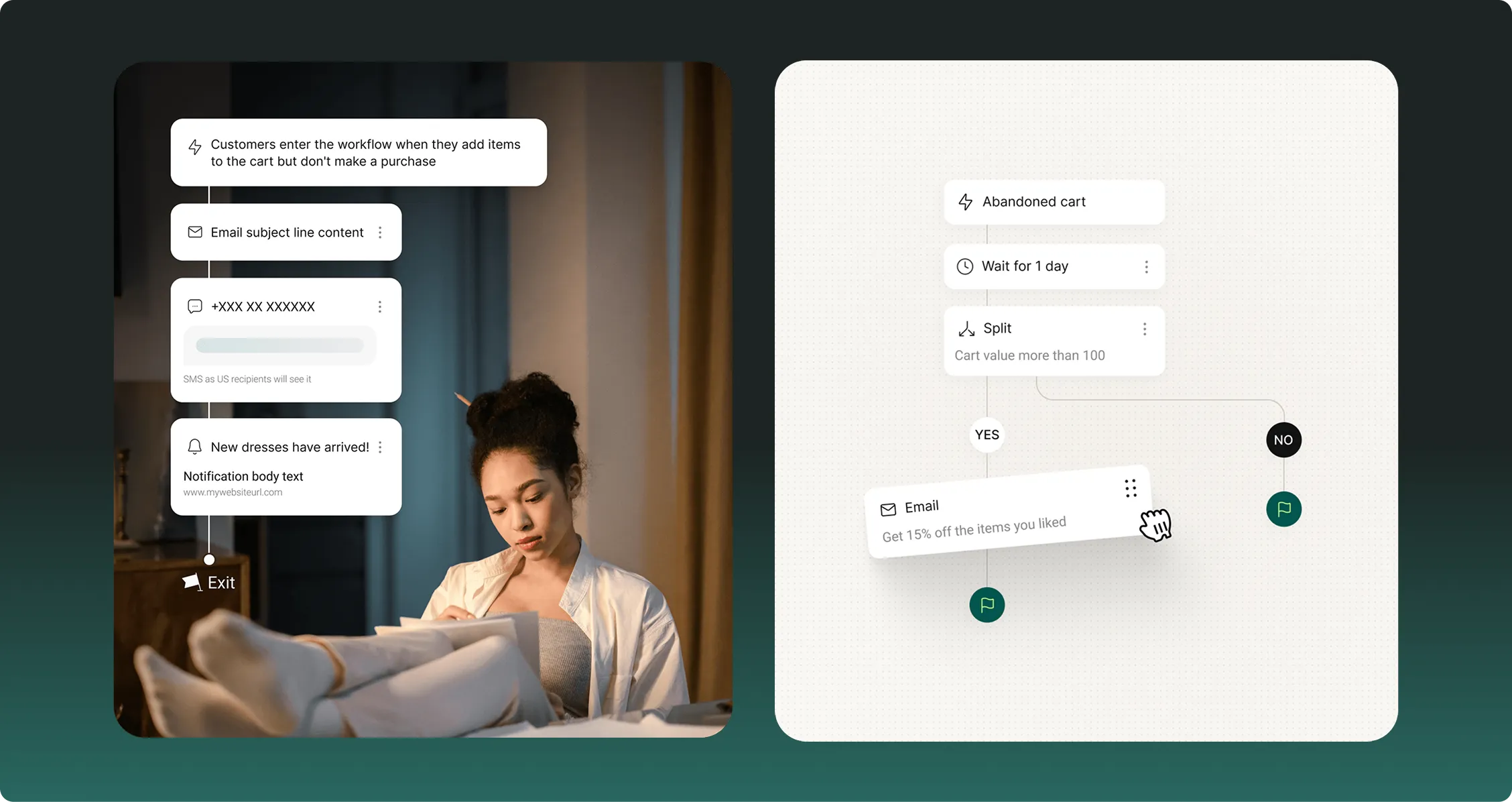
Omnisend is an e-commerce-focused platform that supports email, SMS, and push notifications, with pre-built workflows to streamline customer journeys. Its user-friendly setup and strong integrations make it popular with growing online stores. However, Omnisend lacks native support for WhatsApp and mobile app messaging, limiting cross-channel engagement for brands seeking a broader omnichannel footprint.
Easy to set up and use
Channel-specific reporting and ROI tracking
24/7 customer support via live chat and email
Affordable pricing
Limited third-party integrations
Basic AI capabilities compared to enterprise tools
Less flexibility for B2B or non-eCommerce businesses
Free forever plan with limited emails
The standard plan starts at $16
Pro plan starts at $59

Brevo combines email, SMS, and basic CRM capabilities into an affordable marketing platform suited for small businesses. It’s easy to get started and manage multichannel outreach without extensive technical expertise. But Brevo’s features are more limited compared to enterprise solutions, and it doesn’t offer advanced automation for complex customer journeys.
Beginner-friendly interface
Strong transactional email capabilities
GDPR-compliant infrastructure with European data centers
Affordable plans
Limited advanced segmentation and AI features
Automation workflows are basic compared to more sophisticated platforms
Reporting features lack depth and customization
Offers free plan
Pay-as-you-go pricing
The basic plan starts at $9/month
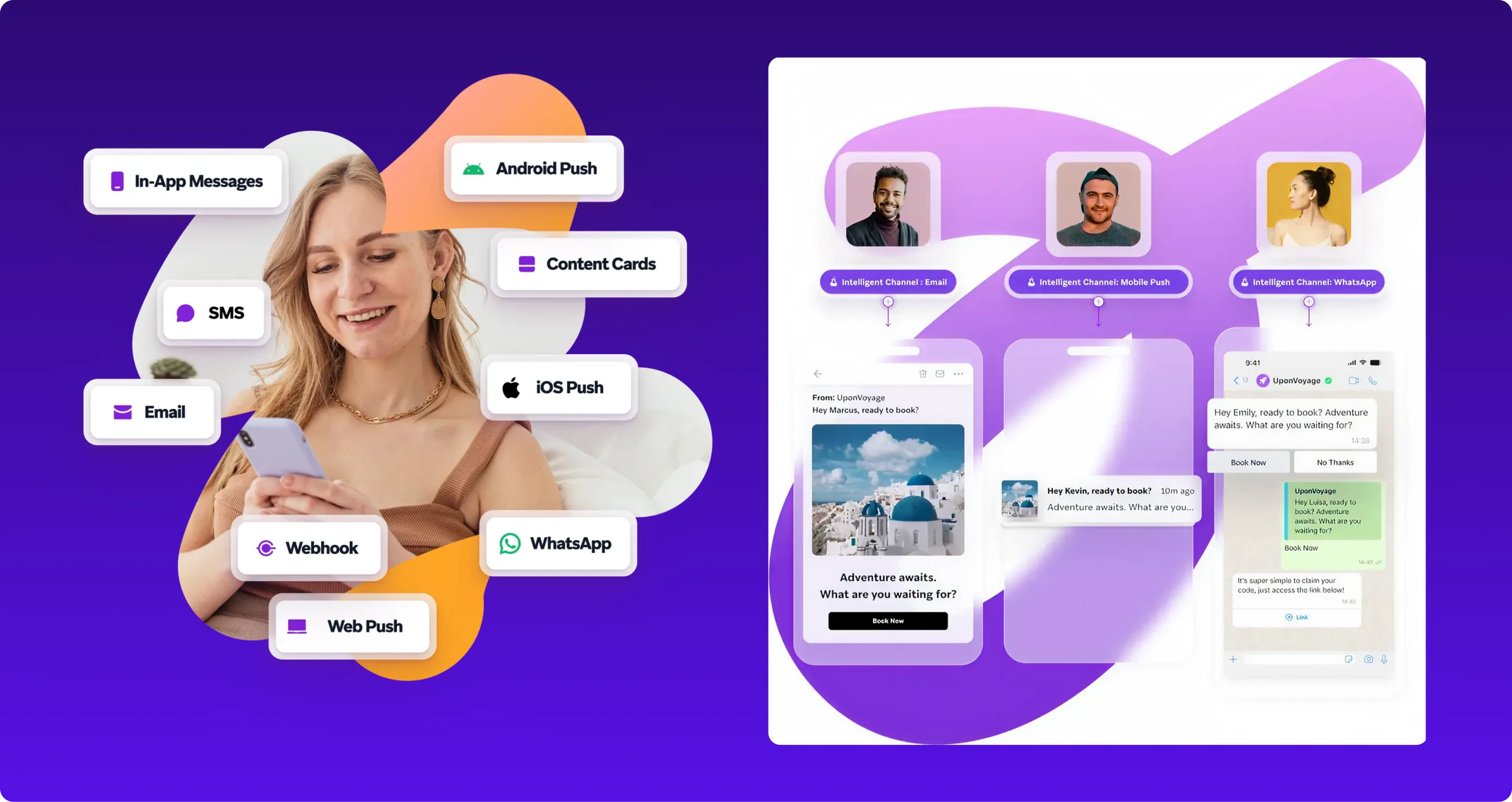
Braze is an enterprise-focused customer engagement platform built for advanced cross-channel marketing at scale. It empowers brands to deliver real-time, personalized experiences across email, SMS, push, in-app messaging, and web. Braze can be a bit complex to implement and has premium pricing. The platform requires technical expertise to set up and maintain.
Powerful cross-channel capabilities
Real-time segmentation and behavioral targeting
Advanced testing, analytics, and journey mapping tools
Scalable for high-volume brands
Complex setup and integration that requires technical expertise
Expensive for smaller companies
The interface and campaign logic can be complex

$50,000-100K+ annual contracts
No free trial availability

ActiveCampaign blends marketing automation and CRM to help businesses manage multichannel campaigns via email and SMS. While it doesn’t support WhatsApp or app-based messaging natively, it has strong journey automation, behavioral tracking, and segmentation tools. It’s ideal for SMBs looking for a unified platform that ties marketing and sales efforts together.
Powerful and easy-to-use automation builder
Flexible integrations with over 900 third-party tools
User-friendly interface
The reporting feature is limited for advanced analytics
Visual journey builder can feel dated
Automation workflows can become complex and hard to manage at scale
Free trial is available
The basic plan starts at $15/month
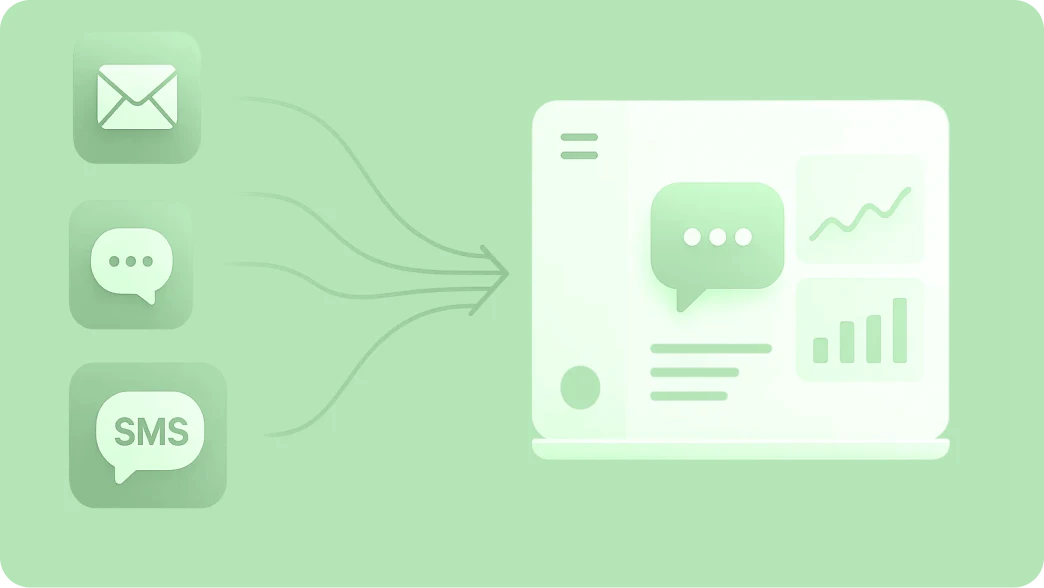
Omnichannel marketing software unifies customer data from multiple touchpoints, including email, WhatsApp, social media, SMS, and your website, into a single platform. It helps you deliver consistent messaging and personalized experiences across these channels.

Bring all your customer interactions, from email to SMS and WhatsApp, into a single, centralized view. This helps you understand behavior and preferences in one place.

Maintain the same voice, tone, and brand identity across every channel. If your message stays clear and cohesive when customers move between platforms, it builds trust and familiarity over time.

Group customers based on diverse criteria such as behavior, demographics, engagement patterns, and predictive insights to create highly targeted and relevant messaging.

Set up workflows that move seamlessly across channels. For example, send an email today and automatically follow up with an SMS reminder two days later if there’s no response.

Use detailed profiles and behavioral data to tailor content and offers. Send the right message to the right person at the right moment to make every interaction feel relevant and timely.

Monitor engagement, conversions, and ROI across all your marketing channels in one dashboard. You can use this information to understand what’s working and identify gaps.
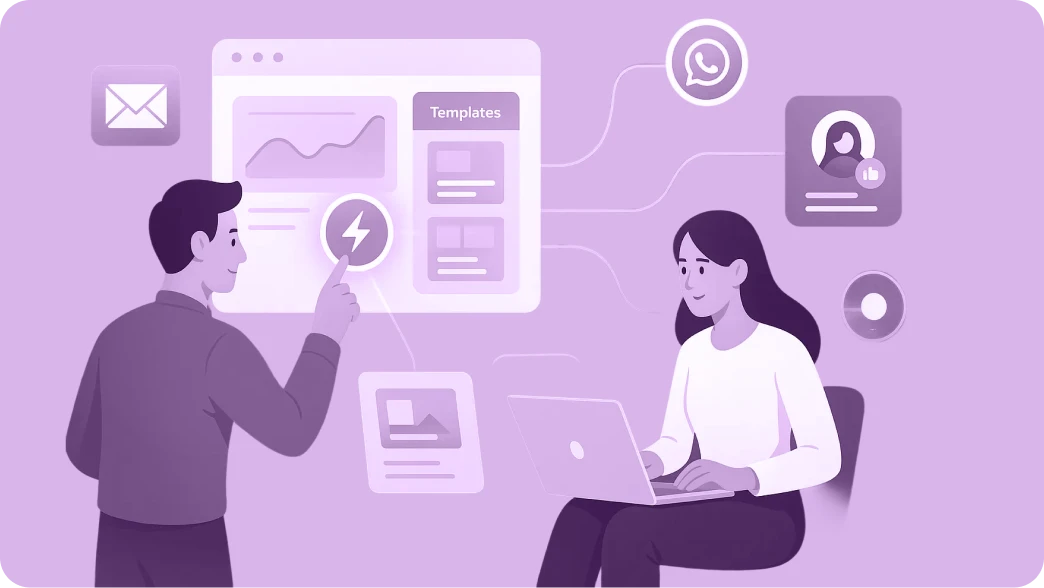
Pre-built templates, customer journeys, and AI-powered recommendations help teams go from idea to execution faster—across multiple channels at once—without starting from scratch each time.
Maximize the impact of your marketing spend with better targeting and automation. With personalized experiences, you can increase engagement and conversions.
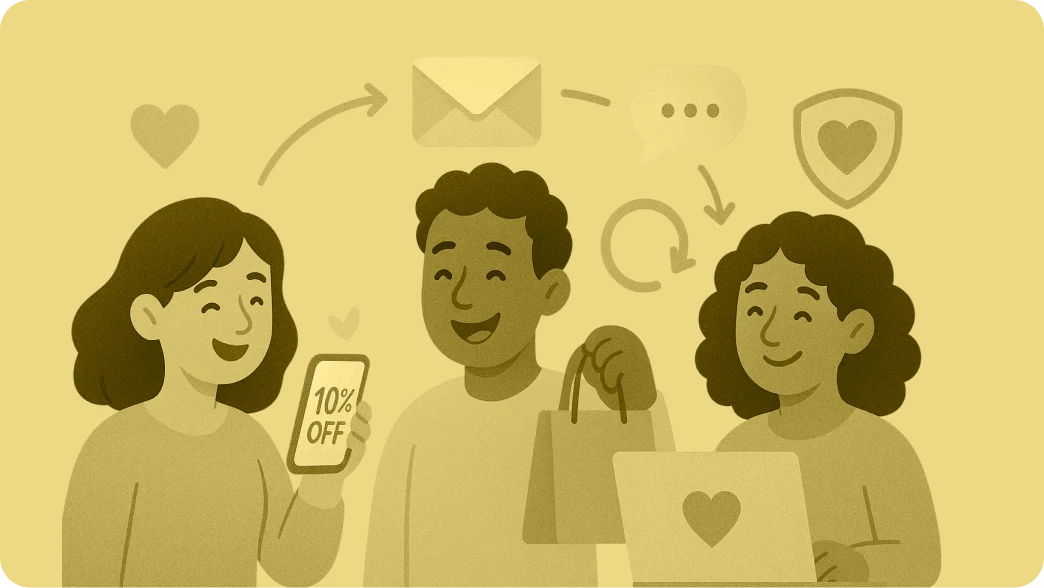
Consistent communication and personalized offers lead to increased repeat purchases and brand advocacy.
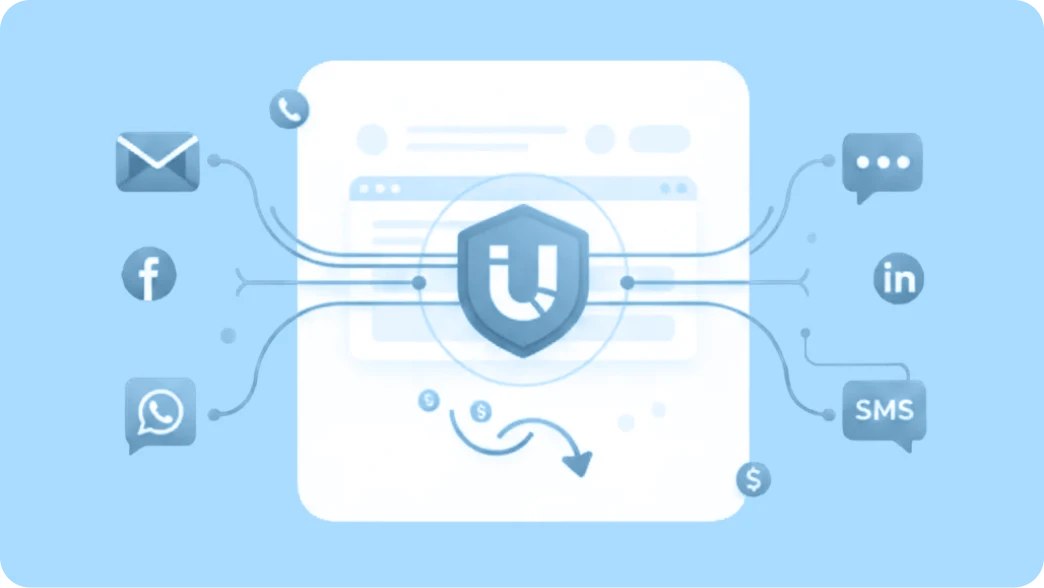
Instead of juggling separate tools for email, WhatsApp, social media, and SMS, a unified platform reduces software clutter, lowers subscription costs, and simplifies campaign execution.

As your business expands, omnichannel platforms grow with you. Whether you're targeting new markets or handling higher volumes, the software supports scalable automation and segmentation.
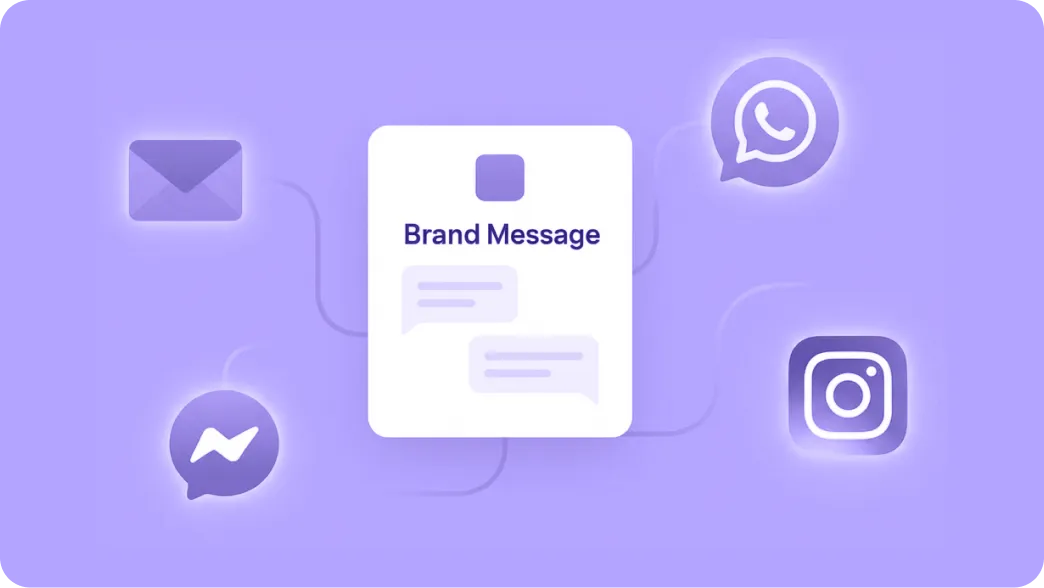
With unified workflows and templates, you maintain brand consistency across email, WhatsApp, SMS, and other channels.
.png)
While omnichannel marketing offers huge potential, it also comes with unique challenges. Many businesses struggle to unify data, measure impact, and maintain consistent messaging across channels. Understanding these obstacles is the first step toward overcoming them.
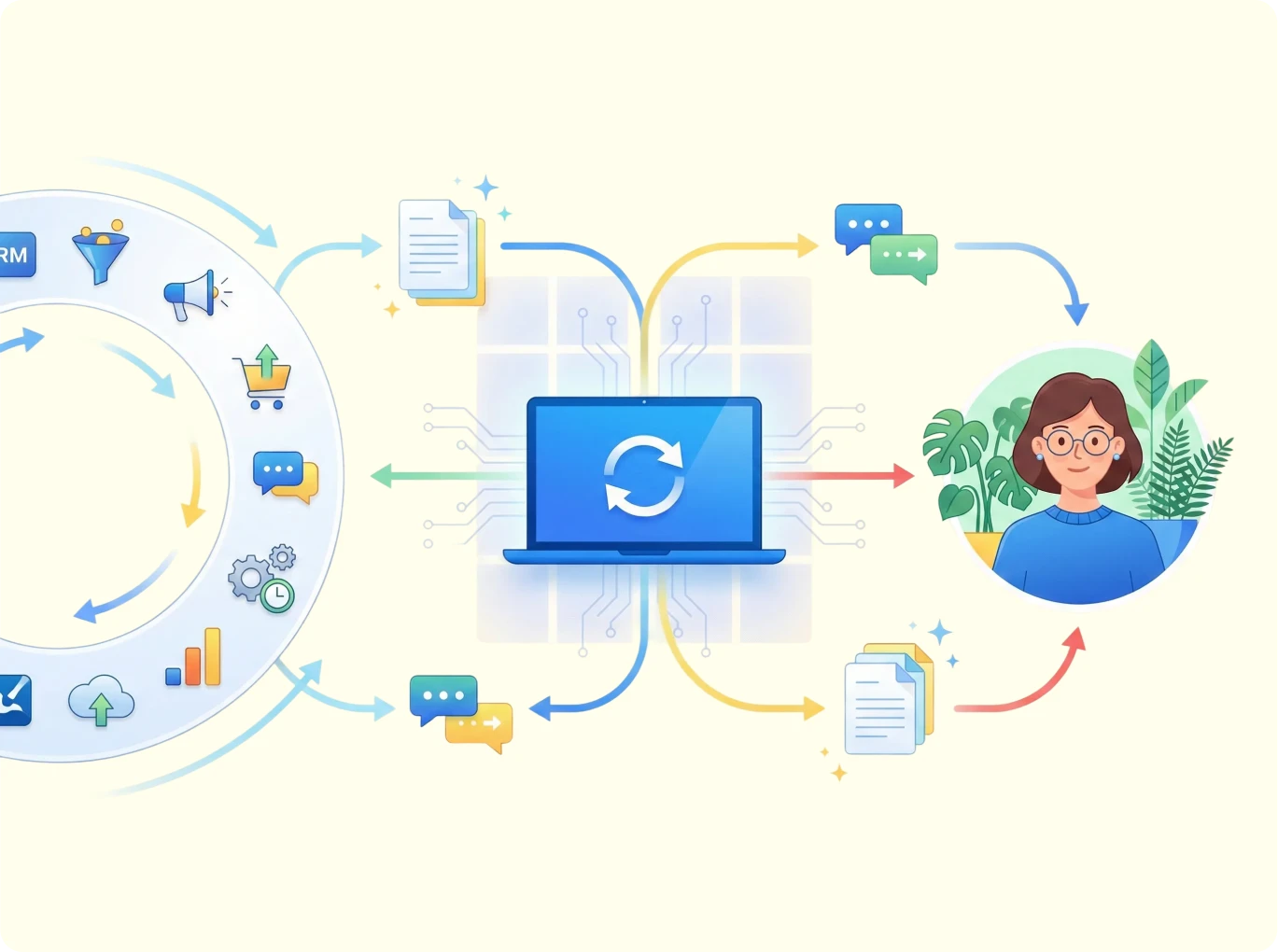

Customer data is scattered across disconnected systems.

Implement a platform that unifies data from all touchpoints in real time.

Creates a single customer view that improves targeting and reporting accuracy.

Managing interactions across multiple channels is difficult and time-consuming.
Use visual journey builders and automation to orchestrate cross-channel workflows.
Delivers cohesive experiences that boost engagement and conversions.
Scaling personalized content is resource-intensive and hard to execute.
Leverage AI-powered recommendations and dynamic content automation.
Increases relevance and drives higher response rates with less manual effort.
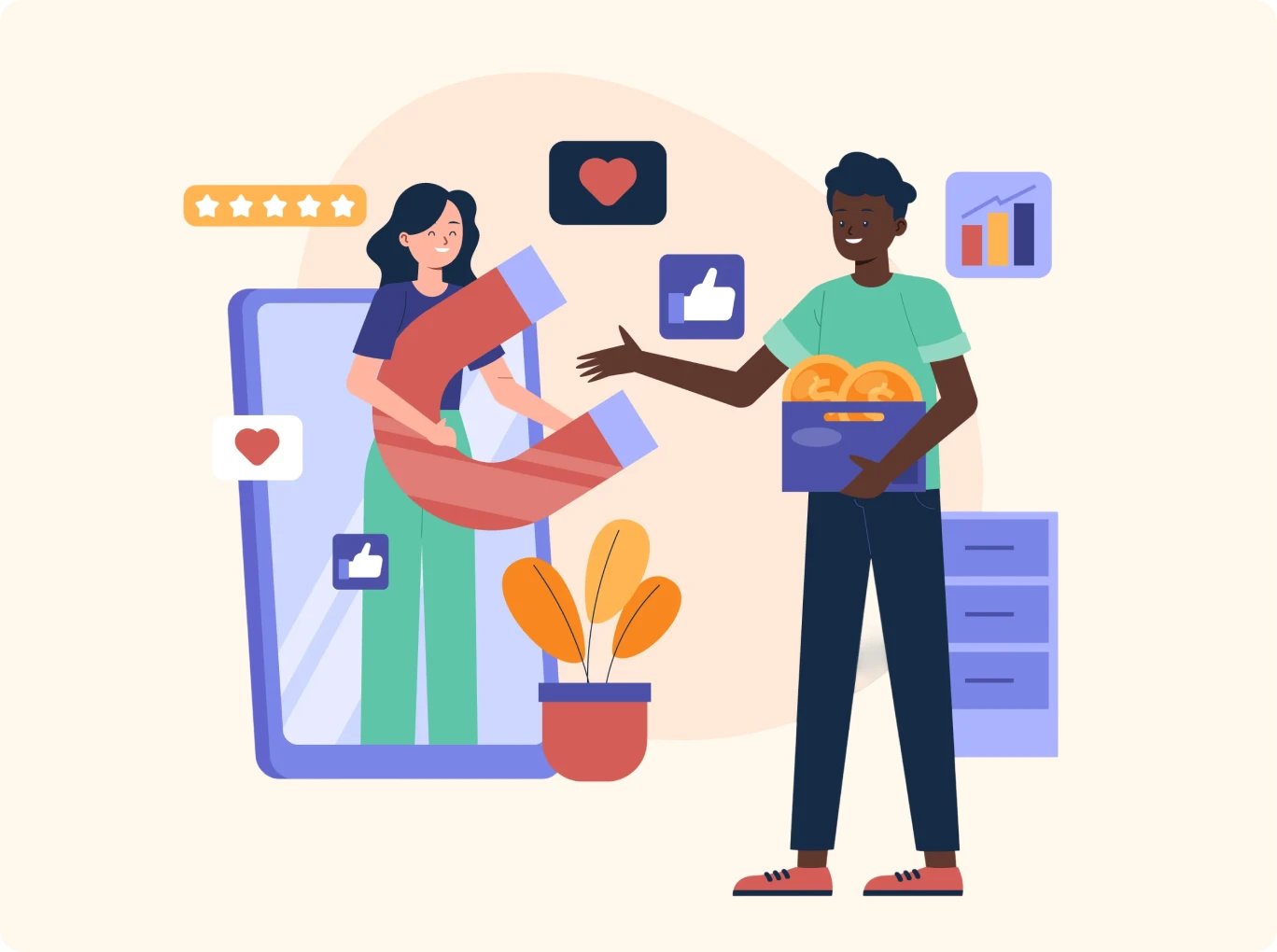
Customers drop off after purchase due to a lack of engagement and loyalty follow-up
Automated loyalty rewards, personalized recommendations, and review requests across email and messaging apps
Drives repeat sales and increases brand loyalty while reducing churn
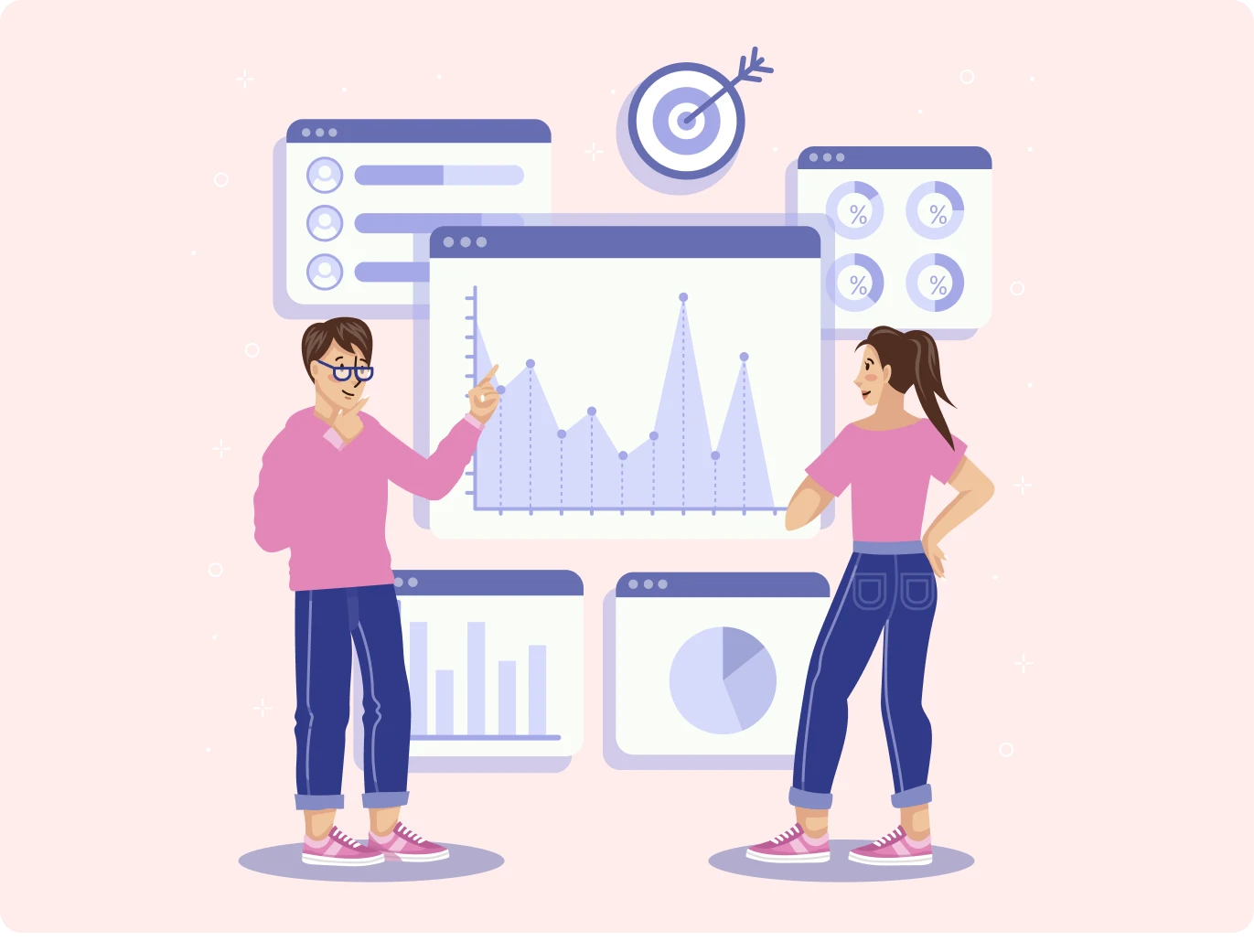
Lack of visibility into how customers engage across different channels leads to disconnected insights and poor decision-making.
Centralized performance dashboards and multi-touch attribution to track cross-channel engagement and conversions in one place.
Improves strategic decisions, enables better budget allocation, and increases campaign ROI by revealing what actually works.
Modern omnichannel marketing tools are designed to help brands create consistent, high-impact customer experiences across every channel. From real-time personalization to unified customer data, the right platform makes complex marketing feel effortless. Here are the essential features to look for when choosing your solution.
Modern omnichannel marketing tools gather data from every touchpoint to create a single view of each customer.
Visualize each customer’s journey chronologically, from first interaction to most recent purchase, to understand behavior at a glance.
They help merge duplicate profiles and track behavior across devices and channels seamlessly.
You can create and track unique fields specific to your business for hyper-targeted campaigns.
Combine multiple criteria like engagement frequency, average order value, and preferred channels to create precise audience segments.
These tools automatically update segments in real time as customer behavior and data change.
Deliver the right content across channels—email, SMS, push, or messaging apps—based on browsing, purchasing, or engagement activity.
AI-enabled omnichannel marketing platforms can help suggest relevant products, content, or promotions based on purchase and browsing history.
Some software uses AI to deliver messages at the moment each recipient is most likely to engage.
Most omnichannel marketing tools let you design complex journeys across channels with a simple visual builder without any coding.
You can automatically move customers between channels based on behavior, purchase stage, or preferences.
Initiate workflows when specific actions occur in any channel like cart abandonment, email clicks, or WhatsApp replies.
Monitor engagement, conversions, and ROI across all channels in one place.
With omnichannel marketing software, you can understand which channels and touchpoints drive the most value.
You can build, export, and share custom reports to inform strategy and measure success.
Advanced omnichannel marketing tools use AI to predict which customers are at high risk of leaving and trigger proactive retention campaigns.
Some tools use AI to auto-generate email subject lines, message copy, and content variations based on your audience.
AI can identify new potential customers who resemble your highest-value segments, improving acquisition targeting.
Omnichannel marketing software addresses real business challenges across every stage of the customer journey. These platforms help you nurture leads, boost engagement, and drive repeat purchases with ease. Let’s look at some impactful use cases.
Welcome new shoppers with automated, consistent messaging across email, SMS, and WhatsApp to introduce your brand and guide first purchases.

.svg)
Low engagement with welcome emails alone
Inconsistent messaging across channels
New customers dropping off before their first purchase


Dynamic campaign personalization based on browsing and purchase history
Multi-channel automated workflows triggered at signup
Visual journey builder to map the onboarding experience
Unified analytics dashboard to monitor conversions
Recover lost revenue by automatically retargeting shoppers who abandon their carts, with timely reminders and personalized offers across multiple channels.
High cart abandonment rates with low recovery
Customers ignoring single-channel follow-ups
Difficulty optimizing timing and incentives
Event-triggered cart abandonment workflows across email, SMS, and WhatsApp
Dynamic product recommendations and personalized discount codes
AI-powered send time optimization for follow-ups
Real-time tracking of recovery performance
Engage customers post-purchase with tailored recommendations, loyalty rewards, and reactivation offers to build long-term value.
Low repeat purchase rates after the first transaction
Customers forgetting about the brand over time
Generic post-purchase messages with limited relevance
Automated post-purchase nurturing sequences across channels
Personalized cross-sell and upsell campaigns based on order history
Loyalty program integration and reward notifications
Multi-channel reactivation campaigns for dormant customers
Run time-sensitive sales and exclusive promotions across email, SMS, push notifications, and social to boost revenue and create urgency.
Inconsistent promotion messaging across platforms
Limited ability to segment and target high-value shoppers
Difficulty measuring channel-specific impact
Simultaneous promotion deployment across all channels
Smart segmentation to prioritize high-intent buyers
Countdown timers and urgency triggers in messages
Unified reporting to track sales performance by channel
Keep shoppers informed with timely updates on orders, shipping, and stock availability across their preferred communication channels.
Customers missing important updates in crowded inboxes
High support inquiries about order status
Limited multi-language support
Automated order and shipping notifications via email, SMS, and WhatsApp
Personalization tokens for order details and tracking links
Real-time triggers for status changes and delivery updates
Multi-language support for global audiences
Convert browsers into buyers by notifying them instantly when products they viewed go on sale or are restocked.
Shoppers unaware of price changes or restocks
Manual workflows to notify customers about inventory updates
Difficulty prioritizing high-intent audiences
Automated alerts triggered by price drops or inventory changes
Smart segmentation to target interested shoppers first
Personalized recommendations and urgency messaging
Cross-channel delivery via email, SMS, and push notifications
A typical tech stack has a Customer Data Platform (CDP), marketing automation platforms, CRM systems, and analytics tools, all integrated to provide a unified customer view.
Measuring omnichannel ROI means looking beyond single-channel performance to understand the full impact of your marketing efforts. It starts with tracking Customer Lifetime Value (CLV) to assess the long-term worth of each customer. You also need to analyze conversion rates across all integrated channels to see how they work together to drive results. Most importantly, applying multi-touch attribution models helps you accurately credit every touchpoint along the customer journey.
Data privacy is essential in omnichannel marketing. Because these strategies depend on collecting and unifying customer data, it’s critical to comply with regulations like GDPR and CCPA. Adhering to these standards protects customer trust, safeguards sensitive information, and ensures your data practices remain transparent and ethical.
Yes, B2B omnichannel strategies often involve longer sales cycles and complex decision-making processes, making it essential to deliver tailored content and build relationships across professional channels. In contrast, B2C omnichannel focuses on reaching a wider audience and creating emotional connections to drive faster purchasing decisions.
Absolutely. Small businesses can start by focusing on their most important customer touchpoints and using affordable, integrated tools. Even managing just a few well-coordinated channels can significantly boost customer engagement and retention.

%201.png)


