Meet

Neura HQ,
Your connected AI Agent Workforce Know more



TL;DR
Your customer just hit their 5th order milestone. They're feeling accomplished, loyal, and ready to engage. But they’ll never know you noticed, because, like most brands, you’re not tracking it.
Most D2C teams invest heavily in acquisition, hoping the next campaign will bring growth. But what actually sustains revenue is retention, and that happens when customers feel emotionally connected to your brand.
One of the most overlooked strategies to build customer retention is celebrating milestones.
Say a premium pet food brand tracks sends out this text on the anniversary of a customer’s first purchase:
“One year ago, you brought Charlie home. Here’s a treat to celebrate your first year with your furever family.”
The message recognizes a meaningful life moment, tying the brand to the joys of pet ownership. It creates an emotional bond beyond just food delivery. So the next time they want to order pet products, the brand would be their top choice.
That’s how milestone marketing turns what could be a routine reorder into an emotional exchange, ultimately increasing engagement, repeat purchases, and a sense of belonging that keeps customers coming back long after the first sale.
To capture these moments consistently, successful D2C brands adopt automated milestone marketing systems that focus on three key pillars:
This playbook lays out actionable frameworks, campaign examples, and best practices to help D2C marketers implement a scalable milestone marketing engine.

The psychology behind milestone marketing is simple yet powerful. People crave recognition and connection. When a brand celebrates them genuinely, it drives reciprocity: the natural urge to give back, often in the form of continued loyalty or purchases.
Unlike transactional discounts, milestone campaigns build emotional loyalty. Customers associate those celebrations with positive brand experiences. You transition from “that store I buy from” to “my favorite brand that knows me.”
Milestone marketing operates across three layers:
These milestone pillars help you connect with your customers emotionally, and brands that successfully establish an emotional connection with their customers can achieve up to a 23% increase in revenue.
So how can brands operationalize these celebrations?
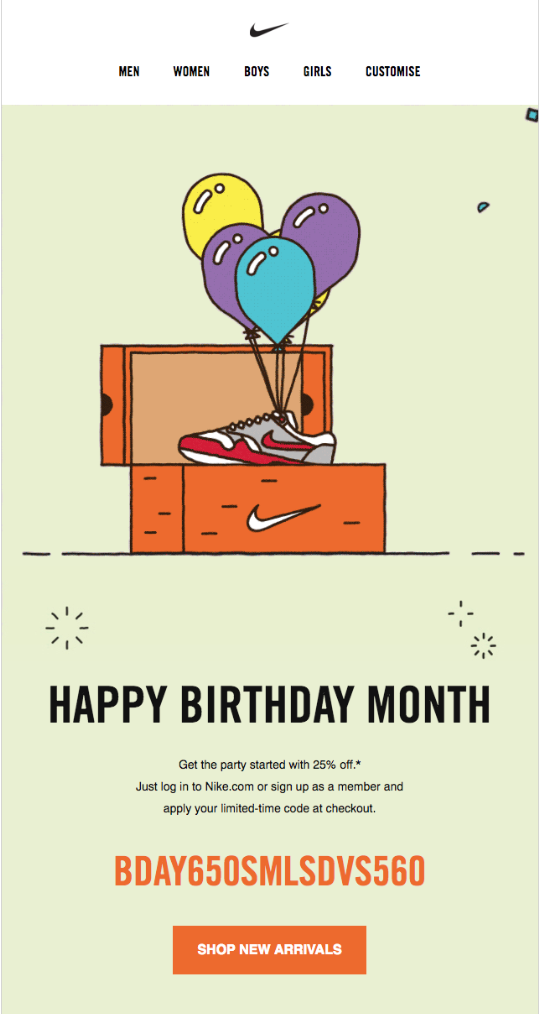
Birthdays are the easiest starting point for milestone marketing. They’re predictable, emotionally charged, and yield strong engagement.
Studies indicate that customers who get birthday greetings are 45% more likely to purchase during their birthday month.
But limiting your communication to a single "Happy Birthday" email misses the true potential.
Most customers are in a self-gifting mindset during their birth months, and they’re more open to indulgence, self-care, and little luxuries. Whether it’s upgrading their skincare routine, buying a new outfit, or finally ordering the product that’s been sitting in their cart for months, this is when they want to reward themselves.
That’s why birthday month campaigns outperform single-day greetings. A month-long celebration gives your brand multiple opportunities to engage with the customer without feeling pushy or repetitive.
From a psychological standpoint, birthday marketing taps into three key motivators:
Self-gifting behavior: Customers see birthdays as a socially acceptable time to splurge and celebrate themselves without guilt.
Emotional reciprocity: When a brand makes them feel seen or appreciated, they naturally want to reciprocate through engagement or purchase.
Recognition effect: People are more loyal to brands that recognize their individuality and milestones, because it validates their relationship with the brand.
Day 1: “Happy Birthday Month! Your celebration starts now.”
Launch the campaign with an exciting energy, celebrate your customer, and set the tone for what’s ahead.
Day 7: Surprise bonus or delight.
Send a follow-up with a small but unexpected gesture. It could be free samples, loyalty points, or a mystery offer.
Day 15: Mid-month treat.
Keep the momentum going with a mid-month reminder. Offer free shipping or a small bonus to encourage conversion.
Day 25: Final call to celebrate.
End the sequence with a friendly nudge and subtle urgency: “Last few days to enjoy your birthday perks!”
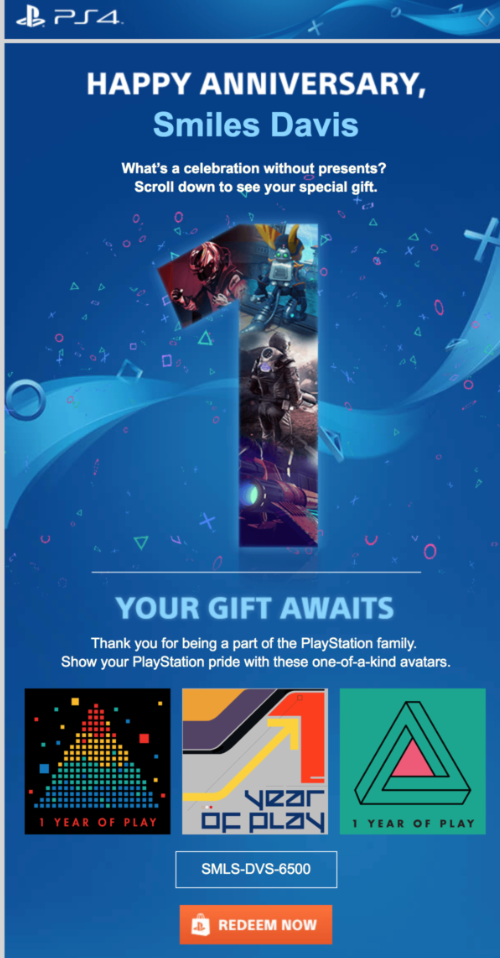
Anniversary campaigns are a powerful way to remind customers how far they’ve come with your brand and how much they mean to you. Unlike birthdays, which celebrate the customer as an individual, anniversaries celebrate your relationship with them.
There are two primary types of anniversary campaigns:
Both serve as meaningful checkpoints in the customer journey. They are perfect for reinforcing loyalty and appreciation.
Anniversary marketing is rooted in relationship psychology; it mirrors how people nurture personal connections.
Recognition of loyalty: Customers feel valued when a brand remembers their time and trust. This taps into the endowment effect—the idea that people place higher value on things they’ve invested in.
Nostalgia bias: Referencing the customer’s “first purchase” or “first interaction” triggers positive memories and strengthens emotional ties.
Commitment reinforcement: Reminding customers how long they’ve been with you validates their choice and subtly encourages continued engagement.
Day 0: “Celebrating [X Years] Together!”
Open with gratitude and nostalgia. Add a warm note highlighting their journey with your brand.
Day 7: “Your Exclusive Anniversary Treat Awaits!”
Follow up with a personalized offer or loyalty bonus to reignite engagement.
Day 21: “Final Chance to Celebrate Our Journey!”
Close the loop with gentle urgency and appreciation.
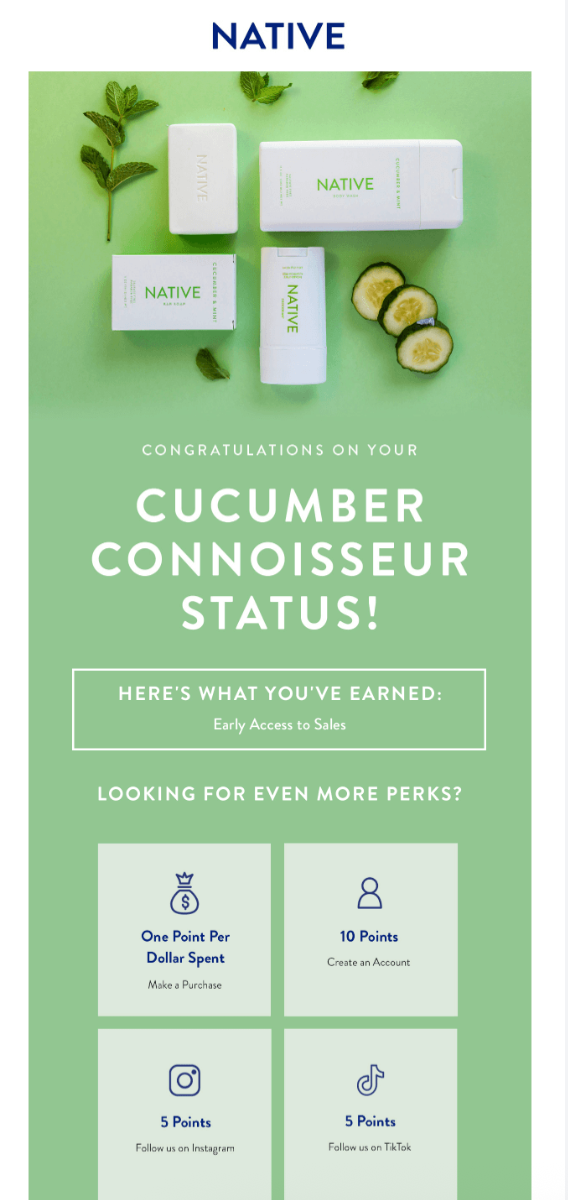
Achievement milestones celebrate your customer’s progress, not just their time with your brand, but their actions and loyalty in motion. Whether it’s their 5th order, 10th order, or upgrade to VIP status, these moments represent tangible progress that deserves instant recognition.
Unlike birthdays or anniversaries, achievement milestones are behavior-based, which means they happen in real time. That makes them one of the most powerful tools to reinforce positive behavior and motivate repeat purchases.
Achievement-based campaigns tap into the same psychology that drives people to chase streaks on fitness apps or collect loyalty points; it’s the gamification of loyalty.
Progress recognition: Customers feel a sense of accomplishment when their efforts are acknowledged (“You’ve placed 10 orders!”). This triggers dopamine, reinforcing the behavior.
Status elevation: Unlocking VIP tiers or exclusive badges appeals to the human desire for recognition and belonging.
Anticipation loop: When customers know another milestone is within reach, they’re motivated to stay active to achieve it.
Immediate: “You just hit a milestone!”
Celebrate instantly. Send a real-time message or WhatsApp alert congratulating them and revealing their exclusive reward.
Day 3: “Your milestone reward is waiting!”
Remind them to claim the incentive, which could be a discount, early access, or loyalty bonus.
Day 7: “Last call to celebrate your achievement!”
Close the loop with urgency, reinforcing pride and satisfaction in their accomplishment.
Once your milestone marketing strategy is set —with birthday, anniversary, and achievement celebrations —the next step is building a Milestone Calendar that ties everything together.
This calendar is the backbone of effective customer retention strategies. It ensures that every celebration happens at the right moment and feels intentional rather than automated.
The goal is to keep your customers emotionally connected all year round without overwhelming them.
To create impactful customer celebration campaigns, start by mapping every meaningful touchpoint across the customer lifecycle. When organized in a 12-month journey, these moments provide a rhythm of engagement that fuels loyalty without creating fatigue.
Even the best customer loyalty programs can lose impact if they celebrate too often or without purpose. The art lies in balance:
|
Month
|
Milestone
|
Campaign Example
|
|---|---|---|
|
January
|
Signup Anniversary
|
“It’s been 1 year since you joined us—here’s a little thank you!”
|
|
March
|
5th Order
|
“You’ve just hit a milestone; enjoy your exclusive reward! ”
|
| June |
Birth Month
|
“Your celebration starts now. Here’s a treat for your birthday!”
|
|
September
|
VIP Upgrade
|
“Welcome to our inner circle; you’ve earned it!”
|
|
December
|
Year-End Thank You
|
“Thanks for being part of our journey. Let’s make next year even better!”
|
Segmentation is crucial in retention marketing automation. Each customer segment deserves a celebration strategy that reflects their journey:
This approach keeps every milestone meaningful, driving long-term engagement and repeat purchase behavior.
Executing a milestone rewards program at scale requires smart automation. With the right tech stack, you can trigger campaigns precisely when milestones occur. This makes sure your brand never misses a moment to celebrate.
Look for tools that enable:
ZEPIC, for instance, comes with an inbuilt CDP that helps you unify data from marketplaces, loyalty programs, and helpdesks in real time. This means you can track when a customer hits their 5th order, signs up for a loyalty tier, or approaches their anniversary—and trigger automated campaigns instantly.
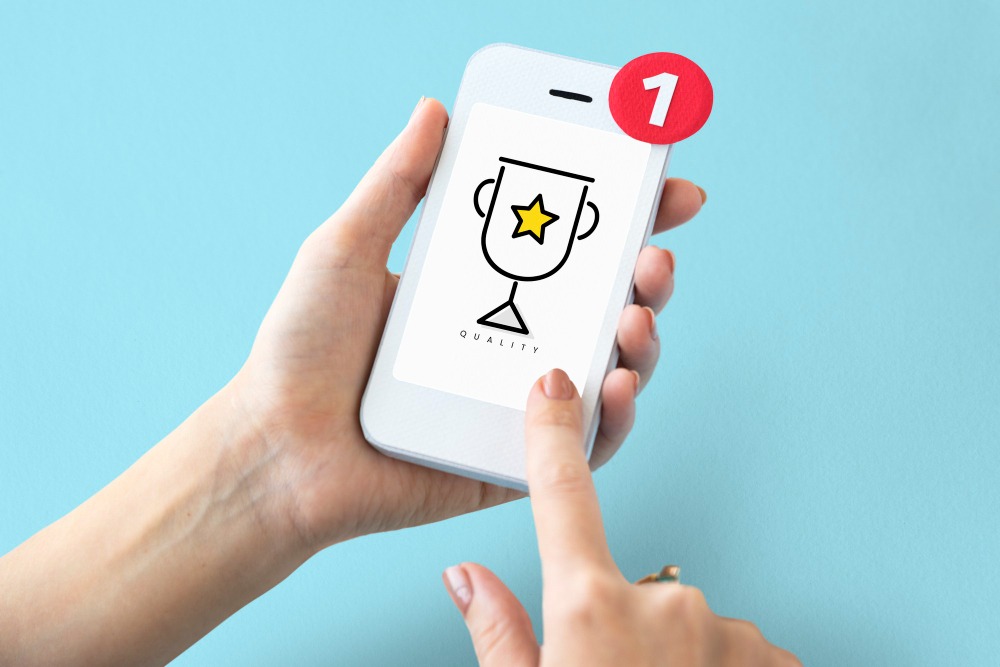
Discounts are the easiest way to grab attention, but they’re also the fastest way to erode your margins and train customers to wait for sales. In milestone marketing, the goal is to build emotional loyalty and a sense of recognition. That’s why the best customer retention strategies use rewards that feel personal, not promotional.
A smart milestone rewards program aligns the type of reward with the customer’s value and the significance of the celebration.
Not all milestones are created equal. A tiered approach ensures that rewards feel proportional and aspirational.
Tier 1: New Customers: Focus on recognition and habit-building. Offer low-cost gestures like bonus points or personalized “first anniversary” messages.
Tier 2: Active Customers: Strengthen emotional connection. Recognize 5th or 10th orders with surprise gifts, free shipping, or exclusive access to new launches.
Tier 3: VIP Customers: Celebrate commitment with premium experiences, such as limited-edition rewards, early event invites, or curated thank-you packages.
In customer celebration campaigns, the most memorable rewards often have little to do with discounts. Instead, they enhance status, access, or personal connection, qualities that drive repeat purchases and emotional loyalty.
Here are some non-discount reward ideas:
Aligning the reward with the milestone type amplifies emotional impact:
To sustain results, tie your retention marketing automation to metrics that matter:
|
Metric
|
What It Measures
|
Why It Matters
|
|---|---|---|
|
Repeat Purchase Rate
|
% of customers buying again
|
Core retention KPI
|
|
Engagement Rate
|
Clicks, opens, interactions
|
Helps understand what interests the customers
|
|
LTV Growth
|
Avg lifetime value over 6–12 months
|
Shows loyalty ROI
|
When done right, milestone marketing becomes the emotional backbone of your customer retention strategy. They transform every purchase, anniversary, and achievement into a reason to stay connected.
The three-pillar milestone framework—birthday month campaigns, anniversary marketing campaigns, and achievement milestones—creates a rhythm of recognition throughout the customer lifecycle.
Each pillar builds emotional loyalty in its own way, but together, they create a compound effect that strengthens trust, deepens engagement, and drives higher lifetime value.
For brands just getting started, the quickest win lies in birthday email campaigns. They’re easy to set up, use existing customer data, and consistently deliver high engagement and conversion rates.
Over time, as you layer in automated loyalty campaigns and achievement-based rewards, you’ll move from transactional communication to meaningful celebration.
With platforms like ZEPIC, which combine retention marketing automation and an in-built CDP, you can orchestrate every customer celebration seamlessly. Book a demo today!

%201.png)


.png)