Meet

Neura HQ,
Your connected AI Agent Workforce Know more



TLDR
Omnichannel shoppers are the most valuable kind of customer because they spend 30% more than single-channel shoppers. Yet despite the growth of e-commerce, around 90% of retail transactions still involve a physical store touchpoint.
The paradox is clear: physical stores drive the most immediate revenue, but they remain the least connected part of a retailer’s data ecosystem. Once a shopper leaves the store, their journey often becomes invisible, disconnected from digital marketing and loyalty efforts.
That invisibility is costly. Retailers who fail to connect physical and digital identities lose out on long-term engagement and the chance to measure full customer lifetime value (CLV).
In this first part of the Omnichannel Retail Series, we’ll explore step-by-step methods for using your store footprint to collect first-party data and orchestrate a customer’s first digital transaction.
The physical store is your richest customer touchpoint. Shoppers come in open-minded and ready to buy. This is a state that’s difficult to replicate online. But in many retail environments, this experience leaves no digital trace.
The transition to a data-driven in-store environment doesn’t mean making stores more transactional; it means making them smarter. Every interaction should be an opportunity to identify the shopper, personalize the experience, and invite a future connection.
The Point of Sale (POS) is often treated as a transaction’s endpoint. To build an omnichannel strategy, it must be reframed as the start of a customer relationship.
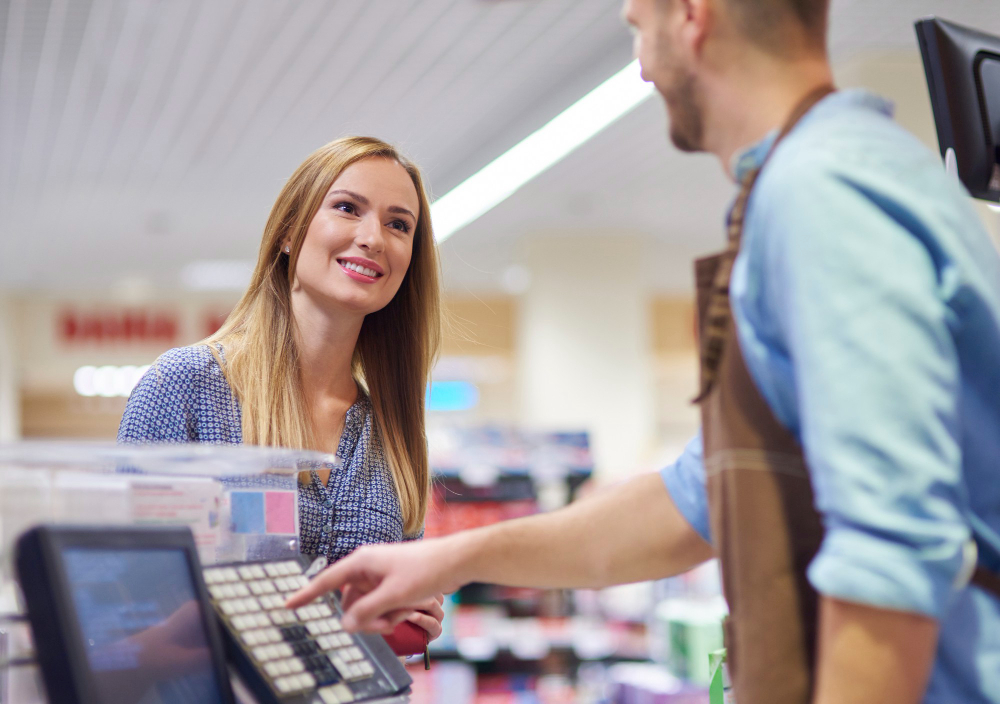
Your sales associates are crucial in this process. With the right training and messaging, the checkout moment can flow naturally into an invitation to join your digital ecosystem. Here’s how:
Once you’ve captured a shopper’s contact details, the race begins to convert that data into engagement and to orchestrate their first digital visit.
The 48 hours following an in-store purchase are critical. Behavioral data shows that response rates to digital messages drop by more than 60% after the first two days. Automation is your trump card here.
Email 1: Welcome + Digital Receipt (Sent Immediately)
Email 2: Personalized Recommendations (24 Hours Post-Purchase)
WhatsApp Message: Personal and Timely Engagement
For customers who opted to share phone numbers, short-form communication is ideal for reminders or back-in-stock alerts. Example:
“Hey [Name], your favorite [Product Type] from your last visit is now available online — order today and get free delivery.”
These lightweight messages have response rates up to 8x higher than email and keep your brand on the customer’s home screen.
Email 3: Onboarding to Loyalty and App Download (3–5 Days Later)
Together, these touchpoints form the bridge that turns a single physical sale into an integrated digital relationship.
In true omnichannel practice, inventory visibility should flow both ways: the store supports online fulfillment, and the website enhances in-store convenience.
Customers increasingly expect hybrid paths to purchase. Offering flexible fulfillment is a leading source of digital engagement for in-store-first shoppers.
1. Offer “Check Store Availability” and “Click & Collect”
Allow website visitors to view which nearby locations carry a product. This not only drives digital engagement from offline shoppers but also leverages “buy online, pick up in-store” (BOPIS) behavior, which accounts for up to 25% of all retail orders in categories like apparel and electronics.
2. Enable “Ship from Store” to Boost Online Orders
When inventory systems are unified, store stock can fulfill online orders faster than centralized warehouses. The result is quicker shipping times, lower logistic costs, and reduced overstock in stores, all while reinforcing that online and offline inventory are part of one ecosystem.
3. “Save In-Store Basket Online” Functionality
If equipped with a mobile POS, store staff can send a copy of the customer’s basket or wish list directly to their email or loyalty account. This prompts them to complete the transaction online later. It is particularly useful in high-consideration categories like furniture, appliances, or luxury goods, where purchase decisions often occur after the visit.
When physical and digital inventories merge seamlessly, your e-commerce site transitions from being a separate convenience to becoming an ongoing extension of the in-store experience.
Two cross-channel behaviors dominate modern retail journeys:
Instead of seeing showrooming as a threat, omnichannel retailers harness it as an advantage. When stores collect digital ID during the visit, these online conversions can be properly attributed to the store visit.
To optimize for both behaviors:
Behind the scenes, all of this relies on a clean, interoperable data infrastructure. The glue of the entire omnichannel ecosystem is your ability to connect identifiers—email, phone, cookies, and loyalty ID—across systems.
Leverage Customer Data Platforms (CDPs) or integrated marketing suites to unify touchpoints such as:
Each new data source enhances personalization, fuels segmentation, and helps automate journey orchestration. When your CDP or CRM can tell that a customer browsed shoes in-store and purchased socks online, your marketing evolves from campaign-based to lifecycle-based.
Omnichannel transformation doesn’t start online; it starts in the store. The physical environment, when designed strategically, becomes your most potent first-party data capture engine.
When you optimize every in-store interaction, from the checkout to the Wi-Fi login, retailers can systematically:
This shift transforms brick-and-mortar from being a closed transaction loop to an open engagement funnel, continuously feeding your digital ecosystem.
Retail leaders who master this process convert stores into enrollment engines, unlocking visibility across every step of the customer journey and, ultimately, driving higher CLV through data-led loyalty.
Multichannel simply means selling through multiple touchpoints such as physical stores, websites, apps, or social platforms.
Omnichannel means these touchpoints are connected. Data, inventory, and customer experience flow seamlessly, allowing shoppers to start and complete their journey anywhere.
Offline shoppers generate high-value data, but traditional stores often fail to capture it.
Once an offline customer becomes digitally reachable, retention rates can increase up to 89%, and their lifetime value nearly doubles.
Start at the checkout. Offer digital receipts and small incentives that require an email or phone number.
It feels effortless for customers and ensures compliance with data consent standards.
A unified POS–CRM–CDP stack is essential.
By combining in-store POS transactions with CRM-driven segmentation and CDP intelligence, every channel contributes to one continuous customer record.

%201.png)


.png)