Meet

Neura HQ,
Your connected AI Agent Workforce Know more




TL;DR
A decade ago, marketing was primarily focused on mass outreach and broad messaging. Marketers relied heavily on email blasts, banner ads, and offline promotions to reach the widest possible audience.
Customer data was often siloed, and personalization was limited to basic segmentation, typically based on demographics or general behaviors. Tools were comparatively rudimentary, with many manual processes that demanded a lot of time and technical expertise.
Fast forward to 2026, and the marketing landscape has evolved dramatically. Today’s customers expect hyper-personalized experiences delivered seamlessly across multiple channels. According to a survey by Boston Consulting Group, about 4 in 5 (≈80 %) of customers say they expect personalized interactions from companies.
On the other hand, privacy concerns and regulations have raised the stakes for responsible data management.
This evolution gave rise to sophisticated marketing automation tools designed to automate repetitive marketing tasks and help marketers create personalized, multichannel campaigns more efficiently.
But the market is saturated with many platforms that promise advanced features. Choosing the right marketing automation tool has become a strategic decision that can make or break campaign effectiveness and ROI.
Let’s talk about how you can choose the right marketing automation tool in 2026.

At its core, marketing automation software is designed to automate repetitive marketing tasks such as email sending, customer segmentation, lead nurturing, and behavior tracking.
But in 2026, these automation tools are about orchestrating across channels, integrating with multiple systems (CRM, eCommerce, support), and using data and AI to deliver unique customer experiences.
A modern marketing automation tool can help you build complex workflows like
Someone comments on your Instagram post → trigger an automated DM for lead capture → send a promotional email → if they don’t purchase → follow up with a WhatsApp message showcasing best sellers.
and then scale that across thousands of customers intelligently.
A marketing automation tool should offer an intuitive interface that allows non-technical users to launch and manage campaigns with ease. Visual drag-and-drop workflows and clear dashboards reduce the dependency on IT teams and simplify the process.
The best platforms go beyond email, with personal messaging channels like WhatsApp, and channels like Instagram.social
This omnichannel reach is important to meet customers where they are and build cohesive experiences.
AI dynamically segments audiences and generates personalized content based on behavior and preferences. Features like behavioral triggers, predictive scoring, and product recommendations help you engage audiences effectively.
Your marketing automation tool must connect with every layer of your tech ecosystem—CRM, eCommerce, analytics, paid media, support tools, and more. Weak integrations lead to duplicated work, data inconsistencies, and missed opportunities.
But in the era of hybrid commerce, where a customer might browse on Instagram, purchase in-store, and chat via WhatsApp, integration quality can make or break your marketing efforts. Look for a platform that lets you integrate any internal or external system within hours, ensuring real-time data flow and unified customer journeys.
Your marketing automation tool should give you visibility into the opens, clicks, conversions, revenue attribution, audience behavior, and journey drop-offs. Real-time dashboards and the ability to slice data meaningfully are non-negotiable if you want to create impactful experiences.
A marketing automation platform should scale with your business growth. It should offer transparent pricing options such as pay-as-you-go or tiered subscriptions to manage costs effectively without surprises.
Most brands rely on third‑party marketplaces, aggregators, and intermediaries rather than owning the full customer relationship. That means your access to data is often indirect. Because of this dynamic:
Brands no longer fully “own” all customer data when transactions happen via marketplaces or platforms.
This means the value of first‑party data (website visitors, your CRM, your loyalty program, and your chat logs) becomes more critical.
A Customer Data Platform consolidates customer data from multiple sources, including CRM, web analytics, mobile, and offline data, to create unified, real-time profiles. Unlike traditional databases, CDPs enable actionable, cross-channel insights that drive smarter marketing automation.
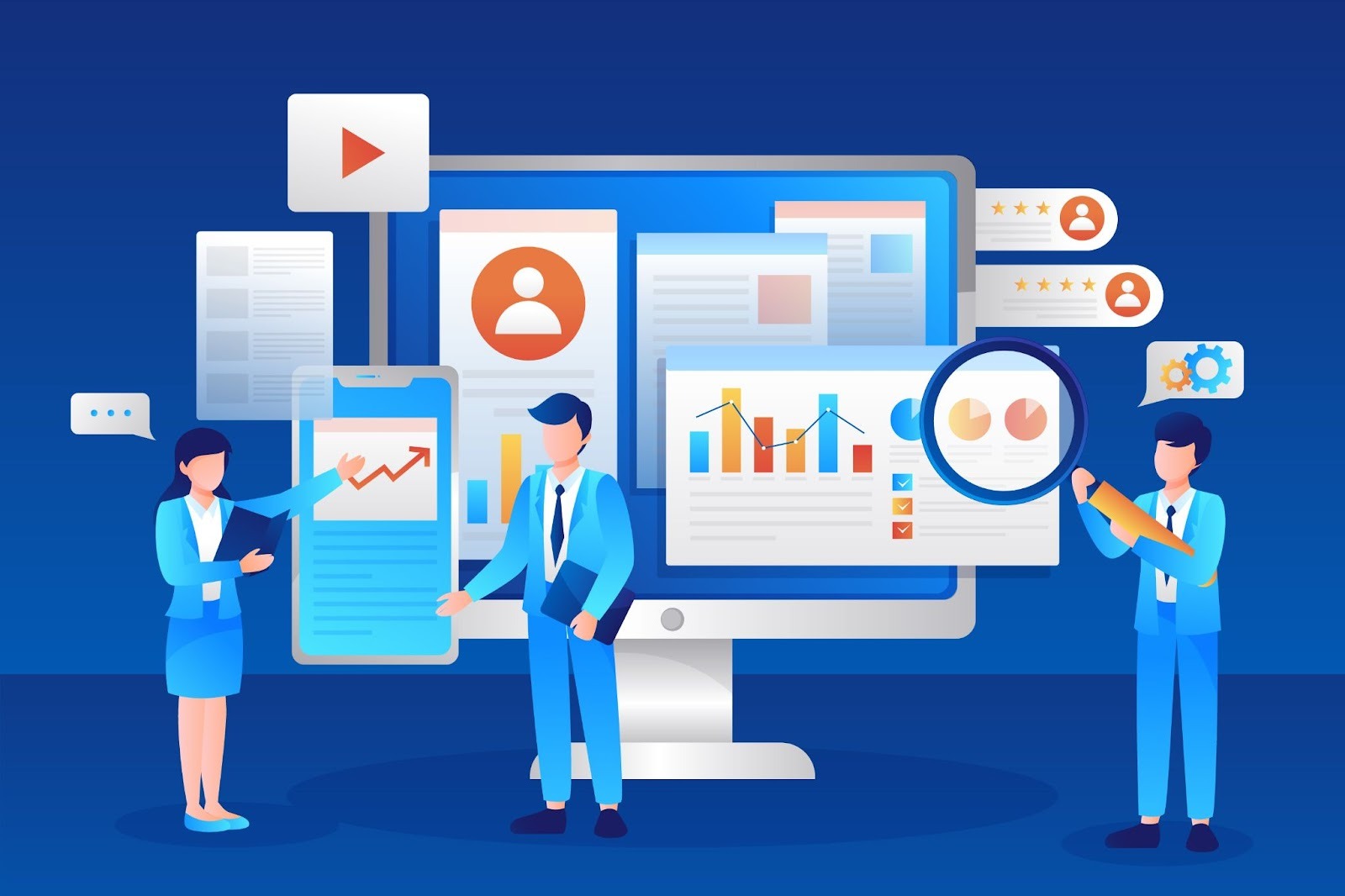
Beyond core features and the CDP piece, there are many operational factors you should think about before selecting a marketing automation platform.
A tool might look strong on paper, but if your team can’t get up to speed or vendor support is weak, you’ll underdeliver. Questions to ask:
Free trials can help you assess the product fit before you spend money on the tool. Here are some other things you should clarify:
With growing privacy regulations like GDPR in Europe, CCPA/CPRA in California, and other privacy laws, protecting customer data is important. When evaluating a marketing automation tool, make sure that:
Here’s a step‑by‑step framework to put it all together and select the right tool for your business.
Choosing the right marketing automation tool in 2026 is no longer just about picking a platform with bells and whistles.
When evaluating tools, focus on usability, integration capabilities, support, scalability, and compliance. Run pilots with real use cases, gather feedback from your team, and assess whether the platform can grow with your business and adapt to evolving customer expectations.
Ultimately, the right marketing automation platform is a strategic investment. It empowers your team to deliver smarter campaigns and drive measurable business outcomes. When you approach the selection thoughtfully and systematically, you can ensure your marketing automation strategy in 2026—and beyond—is both effective and future-proof.
Wondering what the top marketing automation tools are? Check out this guide for more information.
If you want to cut short the long evaluation process and get started quickly, choose ZEPIC. Talk to our team to understand why ZEPIC’s AI-powered personalization, built-in CDP, and multichannel capabilities make it the perfect fit for your business. Book a demo.

%201.png)


.png)