Meet

Neura HQ,
Your connected AI Agent Workforce Know more



TLDR
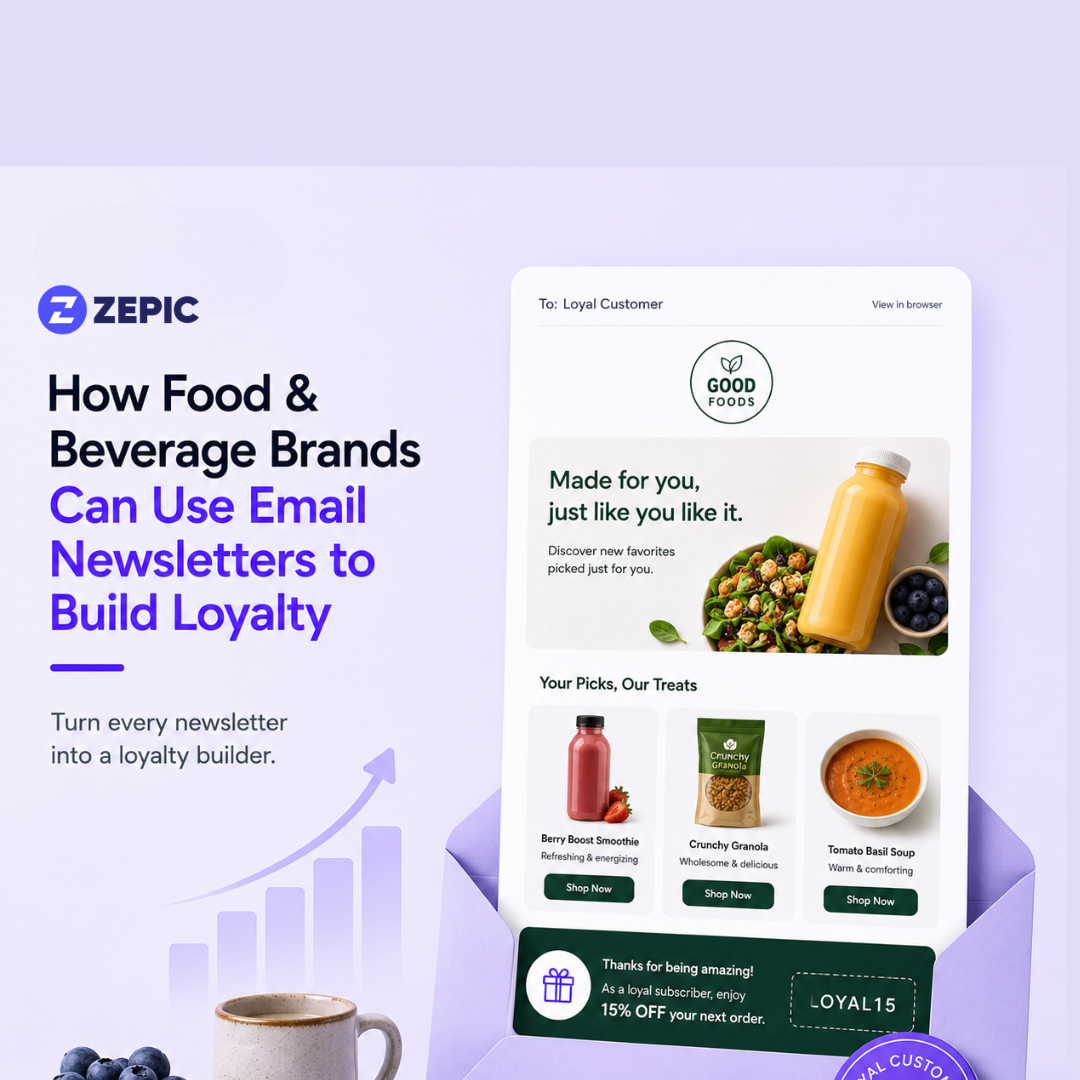
Think about your first cup of coffee in the morning or that specific sparkling water you crack open at 3:00 PM. These are more than simple purchases; they are rituals that define your day.
For food and beverage brands, the goal is to become a permanent part of a customer’s daily habits. Since your products live in their kitchens and refrigerators, you have an intimate connection with them already. An email newsletter allows you to nurture that relationship between trips to the grocery store. It transforms your brand from a line item on a shopping list into a familiar friend that offers value, inspiration, and a reason to keep coming back.
The food and beverage (F&B) industry faces a unique loyalty challenge. Consumers have endless options and low switching costs. A customer who buys your coffee today might pick a different brand tomorrow if it is more convenient or on sale. Email newsletters help bridge this gap by keeping your brand at the top of their mind between purchases.
Social media platforms are excellent for discovery, but they limit your reach. On average, only a small percentage of your followers see your organic posts. Email allows you to land directly in a subscriber's inbox. This direct line of communication is essential for building lasting F&B customer relationships because it feels more personal and less ephemeral than a scrolling feed.
Email marketing consistently delivers a high return on investment. For F&B brands, newsletters drive repeat purchases and increase Customer Lifetime Value (LTV). According to industry benchmarks, email marketing can account for 20% to 30% of total revenue for high-performing e-commerce brands. When you provide value through recipes, tips, and exclusive offers, you encourage customers to choose your brand every time they restock their pantry.
To build loyalty, you must understand who is reading your emails. A generic newsletter sent to everyone can often lead to high unsubscribe rates.
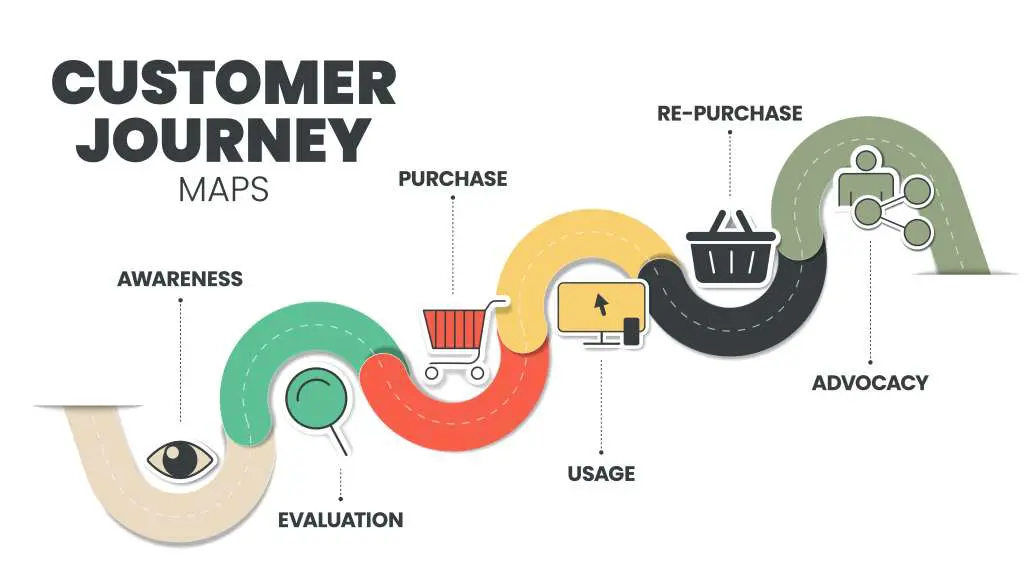
The journey begins the moment someone signs up for your list and follows a specific path toward loyalty.
Segmenting your list by behavior and preference is vital for a Consumer Packaged Goods brand's email engagement strategy. Consider these segments:
Direct-to-Consumer (DTC) brands focus on driving traffic to their own website for immediate sales. Consumer Packaged Goods (CPG) brands often sell through third-party retailers. A CPG brand newsletter strategy might focus more on driving store visits or providing "Where to Buy" links to help customers find products at local grocers.
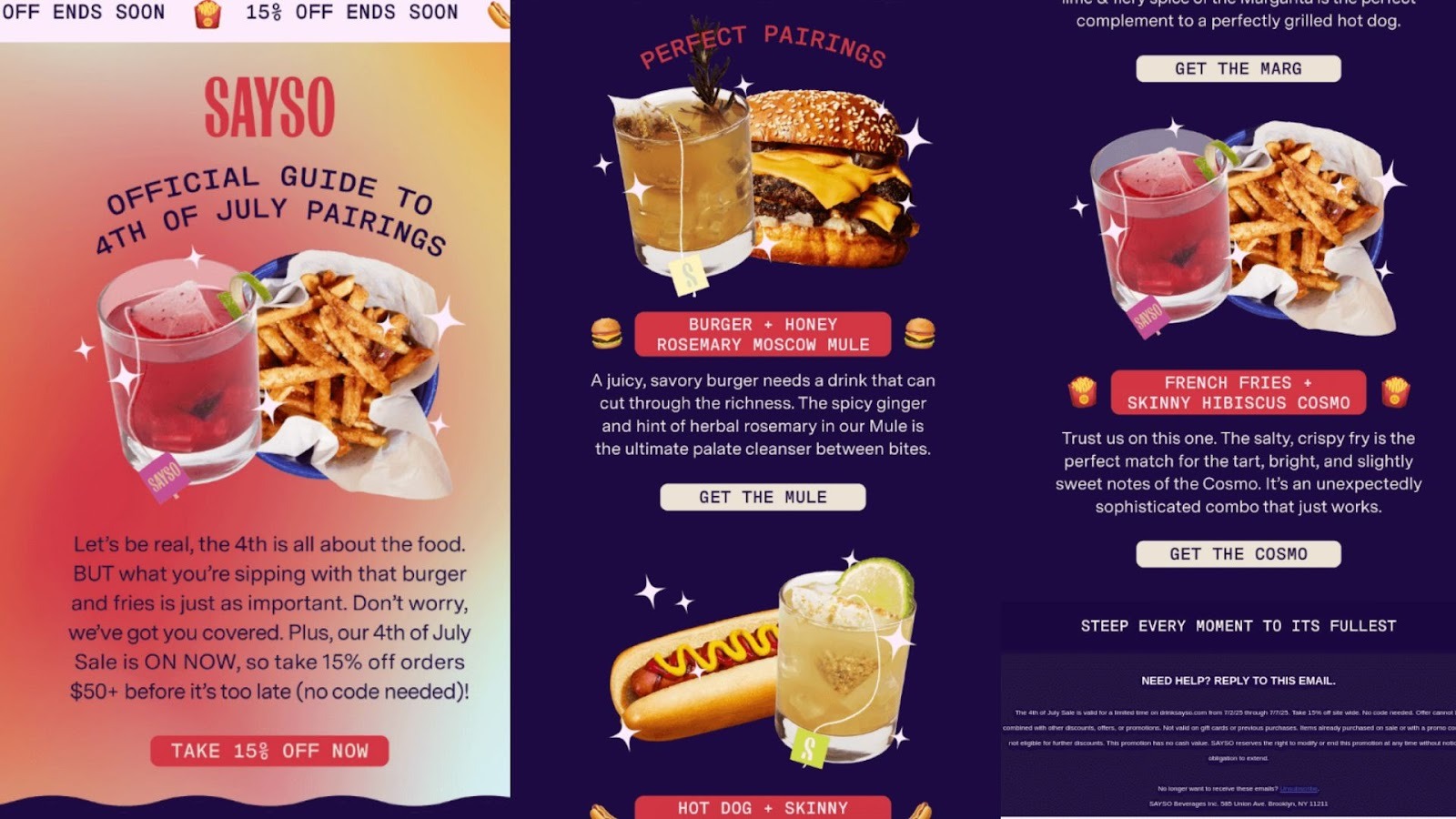
Content is the heart of your newsletter. Your goal should be to provide a balance of educational, entertaining, and promotional material.
Every food and beverage brand newsletter should include these pillars:
Emotional loyalty is built through storytelling. Use your newsletter to talk about your mission. If your brand focuses on sustainability, share updates on your plastic-free packaging or fair-trade sourcing.
Humanizing the brand through founder spotlights or "meet the team" sections helps subscribers feel like they are part of a community.
One of the best email newsletter ideas for food brands is to show customers how to use the product. If you sell a specialty vinegar, provide a weekly recipe that features it. This turns your product into a lifestyle staple rather than a one-off purchase.
Changing your newsletter formats occasionally keeps your content fresh and prevents subscriber fatigue.
| Newsletter Type | Focus | Key Benefit |
|---|---|---|
| The Weekly Digest | Curated news, recipes, and tips. | Builds a consistent brand habit. |
| Product Spotlight | Deep-dive into one SKU or ingredient. | Educates on specific product benefits. |
| Seasonal Campaign | Holiday recipes and limited editions. | Leverages timely trends and urgency. |
| Loyalty & Rewards | Points updates and VIP perks. | Rewards and retains high-value customers. |
| Educational | Health benefits and sourcing transparency. | Builds trust and brand authority. |
| Community | Customer stories and social proof. | Strengthens the emotional connection. |
Personalization goes beyond using a subscriber's first name. It involves using data to deliver relevant content.
Modern Email Service Providers (ESPs) allow you to use dynamic content blocks. This means two people can receive the same newsletter, but see different images or offers based on their profile. For example, a customer in a cold climate might see a recipe for a hot beverage, while a customer in a warm climate sees an iced version.
To turn subscribers into loyalists, you need to offer value that they cannot get anywhere else.
Reward your newsletter subscribers with early access to new product launches or limited-edition flavors. This creates a sense of "insider" status.
Brands like Liquid Death or Magic Spoon often use this tactic to sell out of new products within hours of an email blast.
Use your newsletter to send unexpected perks. This could be a free sample with their next order, a birthday discount, or a "just because" gift card. These small gestures go a long way in building brand affinity.
Make it easy for your loyal customers to become advocates. Include a referral link in every newsletter. Offer a "give $10, get $10" incentive to encourage them to share your products with friends and family.
Visuals are critical in the F&B space. Your emails need to look as good as your food tastes.
GIFs are an excellent way to show off the pour of a drink or the "crunch" of a snack. Since most email clients do not support embedded video, use a high-quality thumbnail with a play button that links to a video on your site or YouTube.
The subject line is your first impression. If it fails, the rest of your content remains unseen.
Preview text is the short snippet of text that follows the subject line in an inbox. Use it to provide extra context. If your subject line is "Your weekend plans are here," your preview text should be "Check out our new BBQ rib recipe and pairing guide."
Consistency is key to loyalty, and automation ensures you never miss a beat.
Your email newsletter should not exist in a vacuum. It should be the hub of your multichannel loyalty strategy.
To improve your strategy, you must track the right metrics.
Even established brands make mistakes that can hurt their reputation and deliverability.
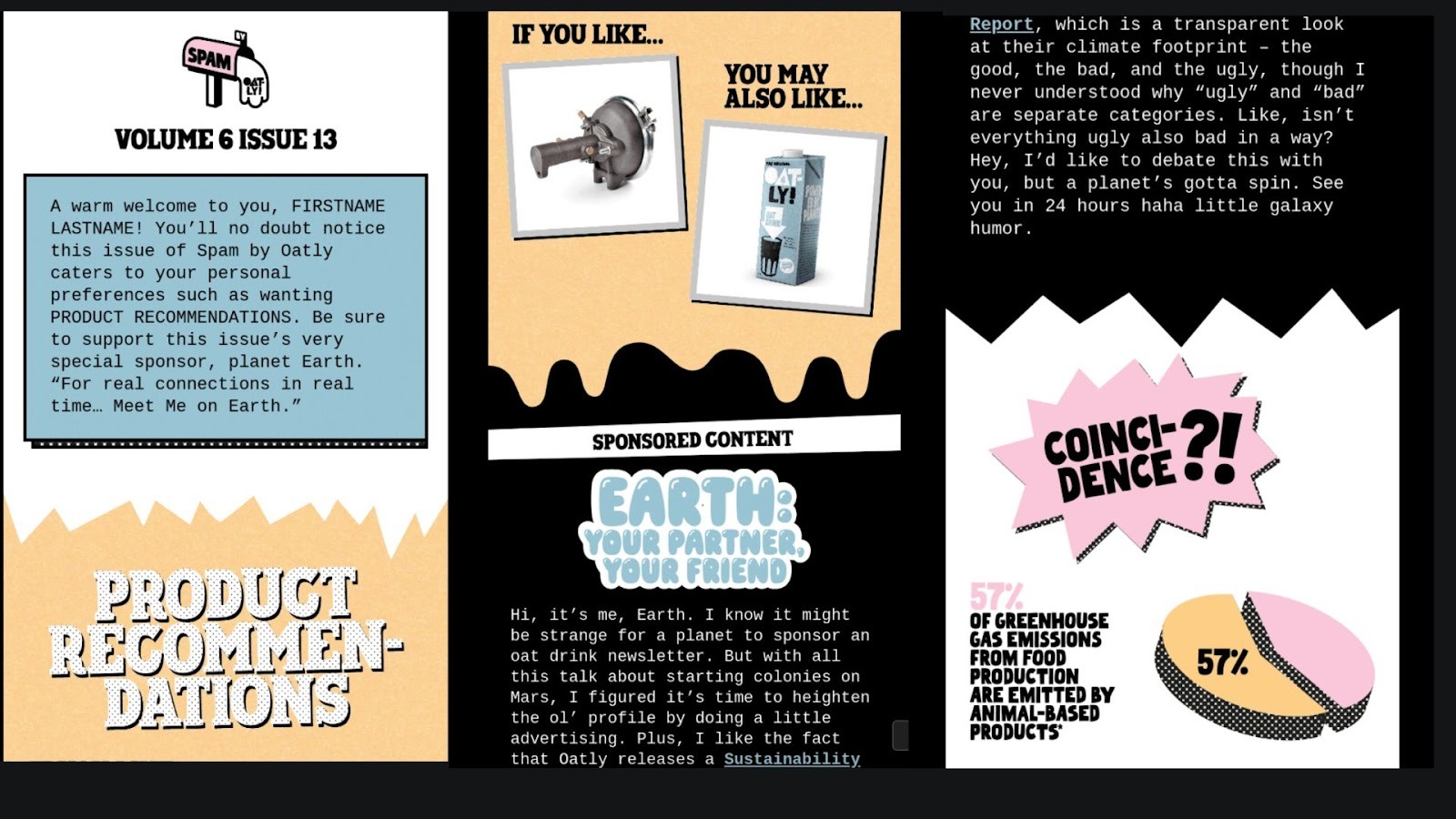
Oatly uses a quirky, conversational brand voice that matches their packaging. Their newsletters often feature strange stories, sustainability reports, and minimalist design. They build loyalty by being authentically themselves, which resonates with their target audience.
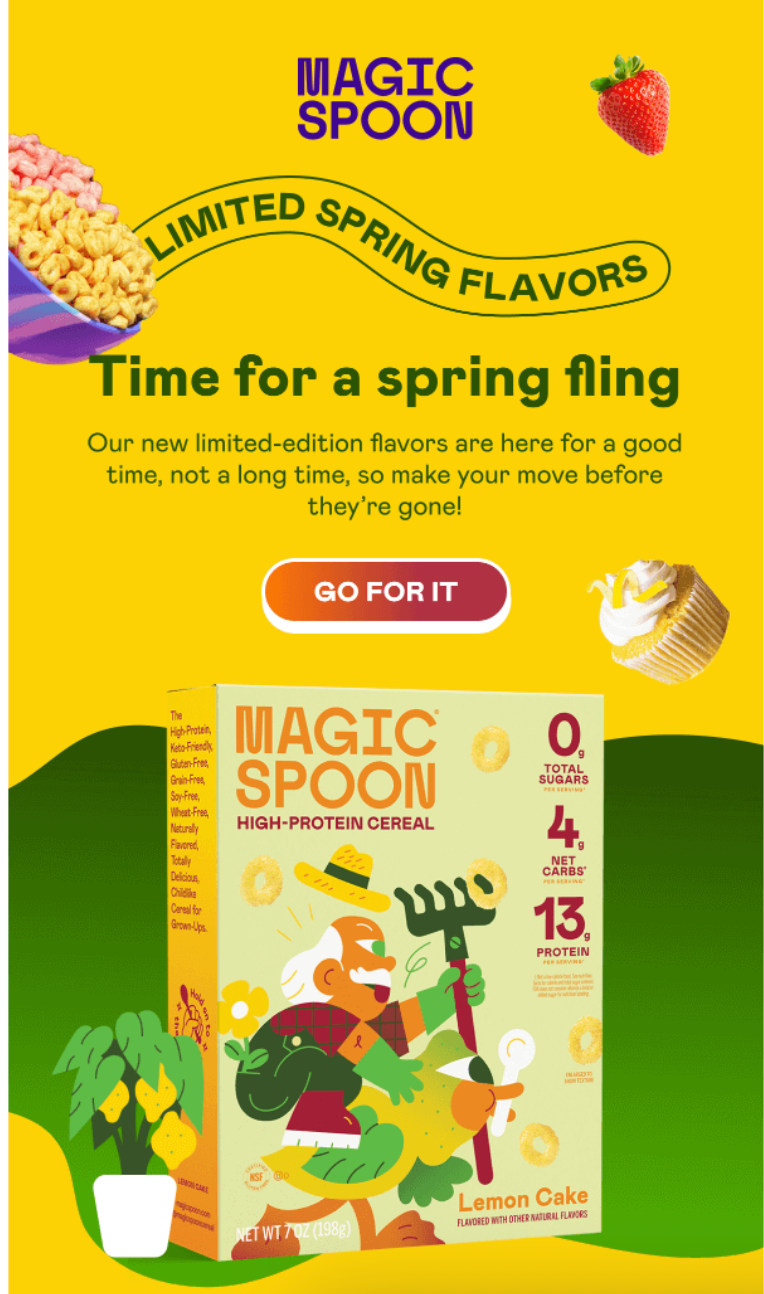
Magic Spoon excels at the product spotlight newsletter. They use vibrant, high-contrast colors and GIFs to make their healthy cereal look fun and indulgent. Their emails are heavy on social proof, often featuring glowing customer reviews.
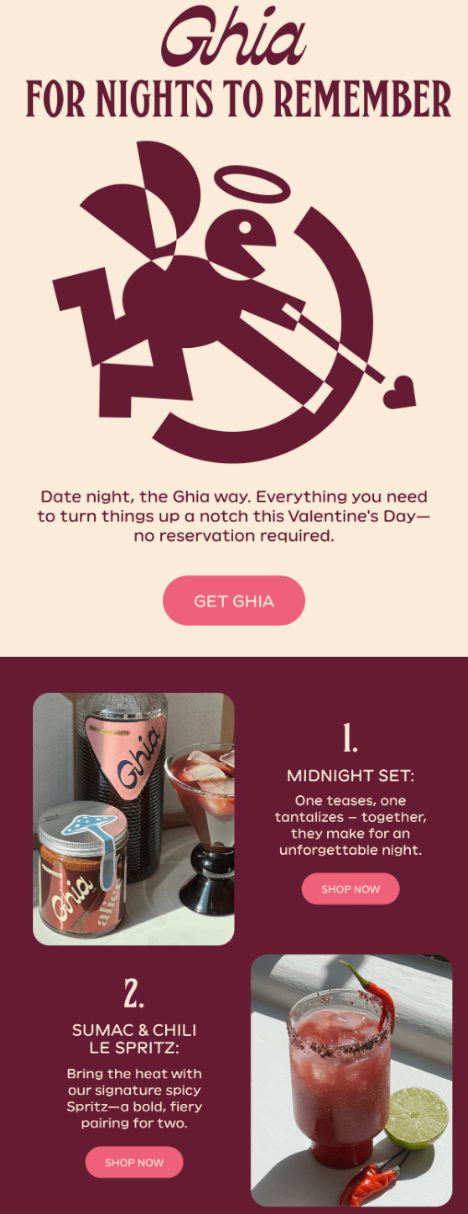
The non-alcoholic aperitif brand Ghia uses storytelling and aesthetic design to build a lifestyle around its product. Their newsletters often include playlists, artist spotlights, and hosting tips, positioning the brand as a leader in the sober curious movement.
An email newsletter is a powerful tool for any food or beverage brand looking to grow. By focusing on segmentation, storytelling, and providing genuine value, you create a channel that your customers look forward to seeing in their inbox. This consistent communication builds the brand equity needed to turn casual buyers into lifelong advocates.
Success requires patience and testing. Start by refining your welcome series, then experiment with different content pillars to see what resonates most with your audience. Over time, your newsletter will become your most valuable asset for driving repeat sales and fostering true brand loyalty.
Use ZEPIC to create a newsletter that makes a lasting impression. Book a demo today!
Email newsletters help food and beverage brands stay top-of-mind between purchases by delivering ongoing value such as recipes, preparation tips, exclusive offers, and brand stories. This consistent engagement strengthens emotional connections and increases the likelihood of repeat purchases.
Effective newsletters balance value and promotion. Content may include recipes, pairing ideas, behind-the-scenes brand stories, customer testimonials, and updates on new products or limited-edition flavors. The goal is to inspire subscribers while gently encouraging purchases.
Weekly or biweekly newsletters work well for most food and beverage brands. A consistent cadence builds familiarity and trust while reducing the risk of subscriber fatigue.
Brands can personalize newsletters using data such as purchase history, dietary preferences, geographic location, and browsing behavior. Dynamic content blocks allow different subscribers to see tailored recipes, offers, and product recommendations within the same campaign.
Yes. Newsletters can drive repeat purchases through replenishment reminders, complementary product suggestions, exclusive subscriber discounts, and early access to new launches. These tactics encourage customers to restock and remain loyal to the brand.
Key metrics include open rates, click-through rates, repeat purchase rates, revenue per email, list growth, and unsubscribe rates. Tracking these indicators helps brands refine content strategy and improve long-term engagement.

%201.png)


.png)