Meet

Neura HQ,
Your connected AI Agent Workforce Know more



TLDR
The holidays are right around the corner, which means every email inbox is going to have at least a dozen holiday sale emails.
The frequency of these emails might even push customers to hit unsubscribe. How can you prevent unsubscribes and increase your email ROI?
If you want to actually win this year, you need smarter strategies backed by real data—not just guesswork or stale tactics.
Let’s check out some holiday email marketing best practices to boost your sales in 2025.
Holiday email marketing in 2025 demands more than a sale alert or holiday greetings.
Inboxes are overflowing, buyers want more personalization, and competition is fiercer than ever. But the good news is email is still one of the highest ROI channels if you play your cards right. Here’s why:
What’s even more interesting is how consumer behavior is shifting: while early holiday deals are hot, last-minute buyers contribute a large portion to revenue in December. This makes layered email timing more important than ever. Plus, interactive and experiential emails (countdown timers, polls, and personalized gift guides) are gaining traction and boosting clicks by over 20%.

Personalization isn’t optional; it’s expected: 74% of consumers say they’ll only engage with emails that reflect their interests and past behavior.
So, if you want to nail your email strategy, you have to start with segmentation. Moving beyond basic demographic splits, you should leverage purchase history, engagement levels, browsing behavior, and zero-party data. For example:
Recent Buyers & High-Value Customers: Hit these folks with exclusive early access or VIP-only deals. Since they’ve shown intent, personalized offers here can improve conversions.
Dormant or At-Risk Subscribers: Deploy re-engagement campaigns with special incentives or content to rekindle their interest in the brand.
Location-Based Segments: Customize offers to fit regional trends, seasonal climates, and local holidays because targeted geo campaigns increase email relevance.
Purchase History & Frequency: Segment buyers based on what they purchased, how often, and total spend. Using RFM (Recency, Frequency, Monetary) segmentation helps you identify high-value customers and tailor personalized upsell or cross-sell campaigns, often improving revenue per email.
Engagement Level: Use dynamic scoring models to track opens, clicks, site visits, and past purchases. Move subscribers fluidly across segments; highly engaged subscribers get frequent, premium offers; less engaged subscribers get lighter-touch, value-driven emails.
Browsing Behavior & Cart Abandonment: Segment by site interactions. Someone who lingered on winter jackets but didn’t buy? Send targeted cart reminders or browse abandonment emails to win them back.
Predicted Customer Lifetime Value (CLV): Use AI to forecast which contacts deliver the highest future value, and allocate your best offers and efforts accordingly.
Personal Interests & Preferences: Ask subscribers directly for preferences via surveys or preference centers, then customize campaigns. This reduces unsubscribe rates by 20% and boosts email relevance massively
Discount Code Usage Patterns: Separate heavy coupon users from full-price buyers for differentiated discount offers. This preserves margins and prevents conditioning.
Demographic Details: Age, gender, income, occupation, marital status, and life stages influence shopping behavior and messaging tone. For example, pet owners get pet product promos during holidays, while young professionals might see kitchen gadget bundles.
Product Interests: Group subscribers by the product categories they interact with most—beauty, electronics, and home decor, so each email hits the right nerve.
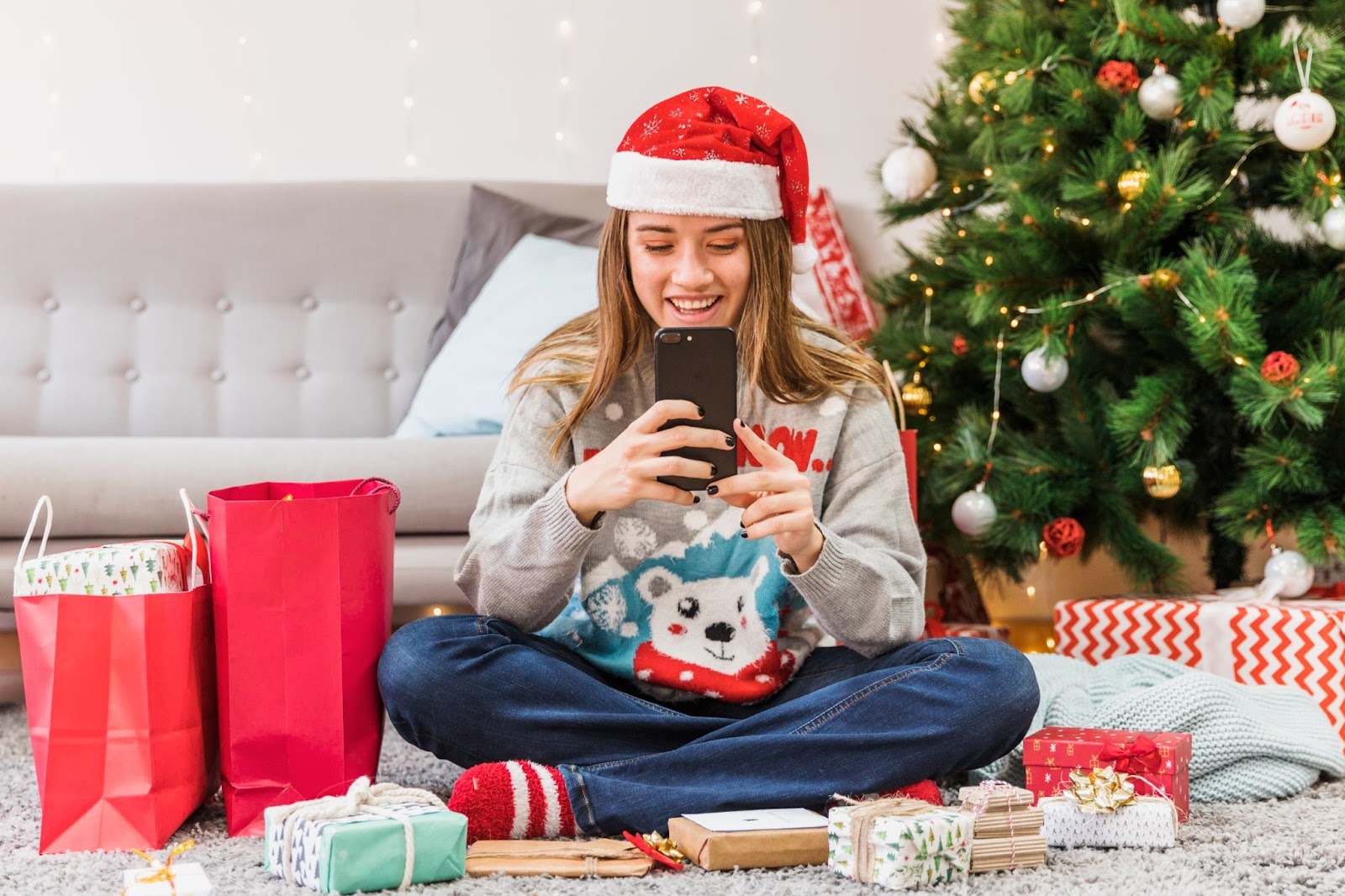
Your subject line is your first and sometimes only chance to grab attention in a jam-packed inbox. In fact, research shows that 43% of subscribers decide whether to open an email based on the subject line alone. Let’s look at some email subject lint hacks:
Keep It Short and Snappy: Most email clients cut off subject lines at around 40-50 characters, and mobile devices show even less. Aim for 40 characters or less to make sure your key message isn’t lost. Adding the offer upfront will grab your customer’s attention. Some examples:
“Ready for your exclusive 50% off, Sarah?”
“Last chance: Free shipping ends tonight!”
“🎁 Gifts for everyone on your list (under $200)”
Use Emojis Wisely: Emojis can add color and spark curiosity, increasing open rates by 7–10% on average if they’re relevant and not overdone. A holiday bell, gift box, or sparkle emoji can make your subject line pop, but don’t throw random smileys around or it’ll look spammy.
Tap Into Emotion and Curiosity: You want to trigger feelings, whether it’s FOMO (“Don’t miss out!”), helpfulness (“Your perfect gift guide inside”), or excitement (“Unwrap your early Black Friday deal”). Curiosity lures clicks, but keep it clear enough so recipients instantly know what’s in it for them.
Avoid Overused Keywords: Words like “Black Friday SALE!!!” in all caps or excessive exclamation marks are common and often get filtered or ignored. Studies show subject lines without the term “Black Friday” sometimes perform better due to inbox fatigue that day.
A/B Test Everything: The best subject line for your audience might not be the same for others. Test different formats like question vs. statement, emoji vs. no emoji, length variations, and personalized vs. straightforward.

Shoppers are scanning emails fast. The average reading time is just 11 seconds, so your preheaders and above-the-fold content must catch attention immediately.
Content That Solves Problems and Sparks Joy: Forget “Buy now! Buy now!” emails and focus on what your customers actually need during the holidays, like
Mobile-Optimized Emails: Over 60% of holiday emails are opened on mobile phones, so responsive design is non-negotiable. Nobody wants to pinch and zoom or squint at tiny fonts.
Interactive Elements Sell More: Interactive content like countdown timers, polls, and scratch cards turns boring emails into experiences, so people look forward to your next campaign.
“Above the Fold” Content Matters: Place key information and CTAs near the top so subscribers don’t have to scroll to figure out the point of the email.
Accessibility and Speed: Keep file sizes reasonable so emails load quickly, even on flaky connections. Add alt-text for images and ensure good contrast for easy reading. Accessibility broadens your reach and keeps your brand empathetic.
If you’re sending your campaigns to disengaged contacts, you’re literally throwing money away (and ruining your sender reputation). Here’s what you can do:
The sweet spot for sending emails is between 7 a.m. and 12 p.m., because that’s when people check their inbox during morning routines or commutes.
Sending the emails too late might risk them getting lost in the day’s clutter.
Evening campaigns can be sent around 7 p.m. because there are strong engagement spikes during this time, especially between Christmas and New Year’s when subscribers unwind and browse leisurely.
Pro tip: Avoid on-the-hour email blasts; try sending at off-times like 6:38 p.m. to dodge server congestion and stand out.
Prioritize A/B testing for subject lines, send times, content blocks, and personalization features. During the holiday rush, continuous optimization based on real-time analytics helps refine your approach.
After the peak season, monitor engagement metrics closely.
The 2025 holiday season is your biggest opportunity to connect, convert, and grow your e-commerce brand through smart, personalized, and timely email marketing.
But the hardest part is managing all the moving pieces while keeping it simple and effective. That’s where ZEPIC comes in. With our powerful automation and personalization tools, you can set up multi-channel recovery flows, automate timely reminders, segment dynamically, and track everything on one easy dashboard—all without juggling a dozen apps.
Ready to turn clicks into customers this holiday? Book a demo with ZEPIC today and watch your holiday email campaigns deliver real results.

%201.png)


.png)