Meet

Neura HQ,
Your connected AI Agent Workforce Know more



.jpeg)
Remember how shopping used to be 10 years ago? A customer would walk into a store, browse products, ask a salesperson for recommendations, and make a purchase. Those were simpler times. But today, shopping is no longer a straight path—it’s a web of touchpoints across multiple channels.
The modern shopper might see a product on Instagram, check reviews on YouTube, browse your website, abandon their cart, get a retargeting ad, and finally convert through a WhatsApp offer. If your brand isn’t providing a consistent, personalized experience across these interactions, you’re losing customers.
This is where omnichannel marketing comes in. Leading brands leverage unified customer data to create seamless, high-converting experiences across every channel.
Let’s explore how they’re doing it—and how you can too.
Before we jump into the examples, let’s talk about the impact of the customer 360 on an omnichannel strategy.
At its core, Customer 360 provides a complete, unified view of each customer's journey, preferences, and behaviors. It’s what enables brands to move beyond guesswork and show customers they truly know them.

Imagine walking into your favorite store, and instead of wandering aimlessly, a personal shopper greets you by name, remembers what you bought last time, suggests items you might like, and even offers an exclusive discount just for you.
That’s exactly what Customer 360 does for omnichannel marketing—but at scale. It connects interactions across social media, email, websites, WhatsApp, SMS, and even in-store visits to make sure every touchpoint feels like a natural continuation of the customer’s journey.
Let’s look at how some leading brands are creating high-converting omnichannel experiences.
Sephora is a great example of how omnichannel marketing can help you win over customers. The brand sells more than makeup; it sells personalized beauty experiences.
How does Sephora do it? It has created engaging, data-driven customer journeys seamlessly blending online, offline, and mobile interactions.
Its Beauty Bag app allows shoppers to check past purchases, track reward points, and scan in-store products for more options online—all while receiving personalized recommendations based on their preferences. The app also has tutorial videos and store location services, making it a single hub for all Sephora interactions.
Sephora has made loyal fans feel like royalty with its Beauty Insider Program, a key pillar of its omnichannel strategy. Members earn points on every purchase, unlocking rewards, exclusive products, and unique experiences. Beyond just discounts, Sephora keeps engagement high with personalized perks, birthday gifts, early access to sales, and VIP events—making every customer feel valued and special.
And hey, who doesn’t love a VIP treatment?
That’s why, in 2023, the Beauty Insider program had about 17 million members in North America alone. These members are responsible for about 80% of the company’s sales.
When the omnichannel strategy is flawless, revenue flows in seamlessly—just ask Sephora.
Neiman Marcus collects customer search and behavior data to personalize shopping like never before. For instance, say you frequently search for XL tops, size 5 shoes, or dresses in size 6-8, the brand remembers your preference. The next time you browse online, you'll see products available in your size—no extra filtering needed. The personalization doesn’t stop there. The platform also highlights nearby stores with the exact items in stock, making in-person shopping just as convenient. Thanks to geolocation, you also get tailored promotions for exclusive events and new arrivals in the local stores based on your interests.
The Neiman Marcus app bridges the gap between physical and digital shopping. It lets customers browse collections, get real-time inventory updates, and even contact store sales reps via text, email, or FaceTime. In-store, sales associates use tablets to guide customers through product options on the mobile store.
For those who love to compare outfits, Neiman Marcus' Memory Mirrors take in-store try-ons to the next level. These interactive video screens let customers review 360° recordings of their outfit choices, save them for later, or share them with friends.
And then there’s Snap.Find.Shop, an image recognition tool, that allows shoppers to snap a picture of an item and instantly find similar styles in the mobile store.
Blending AI-driven personalization with interactive in-store tech, Neiman Marcus has turned omnichannel shopping into an art form. It’s no surprise they won the IRT Retailer Innovation Award in Customer Engagement in 2017.

At the heart of Starbucks's omnichannel marketing strategy is their Rewards app. It connects mobile ordering, payment options, loyalty rewards, and promotional messaging. The app helps customers order ahead, skip lines, and earn rewards while providing Starbucks with valuable customer data
What makes Starbucks stand out is its hyperpersonalization. The app suggests drinks based on past orders, local inventory, and even the weather (because, let’s be real, an iced latte hits differently on a hot day). They effectively analyze every customer’s preference and purchase history and create uniform experiences both online and in-store.
Starbucks Rewards had nearly 34.3 million active members as of 2024, proving that when brands have a strong omnichannel strategy, they can create seamless, habit-forming experiences.
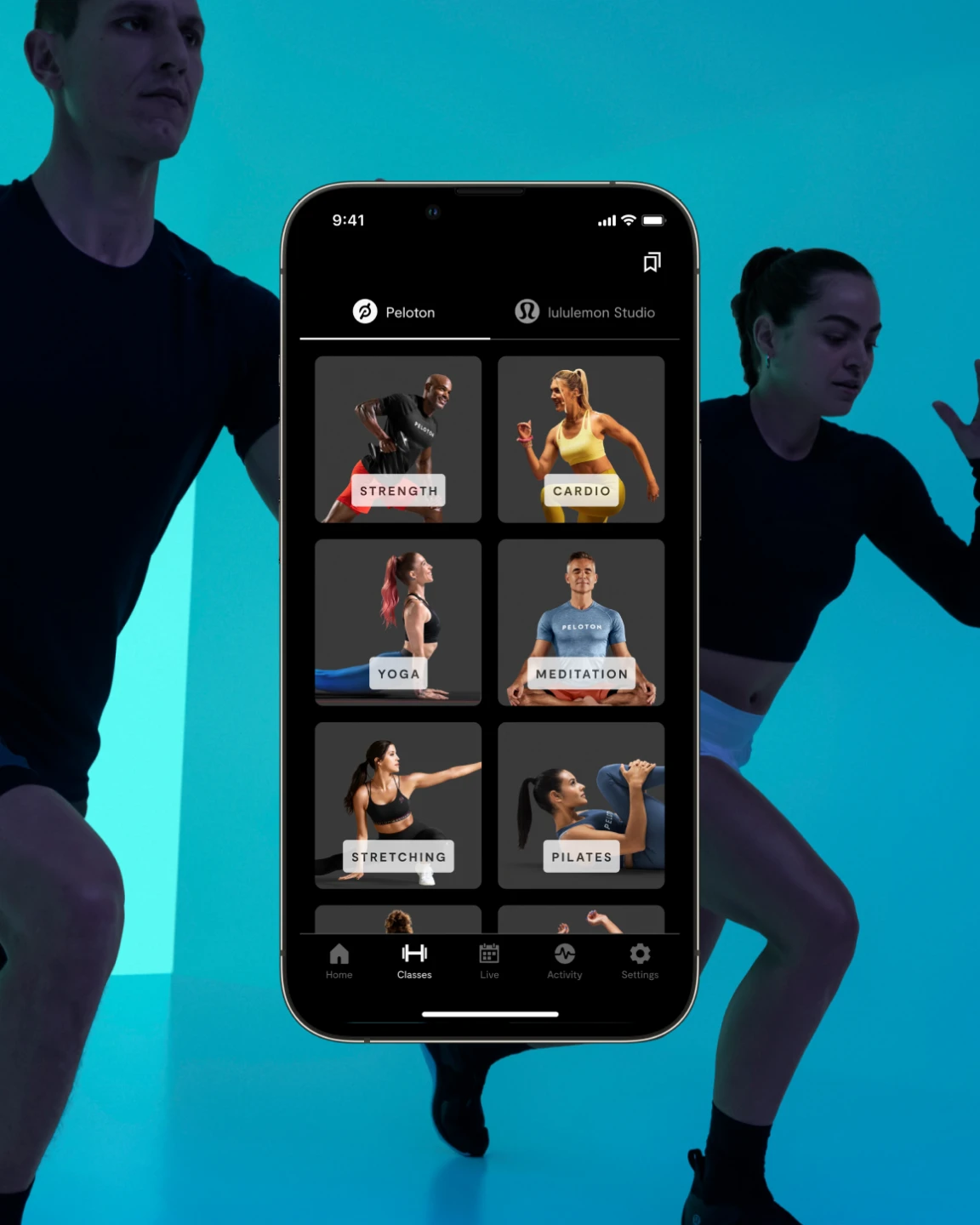
We all know Lululemon is a famous activewear brand. But did you know that they’ve created a community of fitness enthusiasts? They launched Lululemon Studio to go beyond selling a product and promote a lifestyle.
With access to thousands of fitness classes led by world-class trainers, members work out, stay active, and build fitness habits with Lululemon. The best part is that these experiences are brought to life with their Studio Tour pop-up workouts and community meet-ups, seamlessly connecting online engagement with in-person experiences.
Lululemon smartly integrates shopping incentives into membership—offering exclusive discounts, early product access, and special perks. The result? Customers think of Lululemon every time they exercise. Talk about strong brand retention.
Armed with genius omnichannel initiatives like Lululemon Studio, the brand is working towards quadrupling its international revenues by 2026.

Disney is all about magic and wonder; so is their omnichannel strategy. Every interaction, whether online or in the park, is carefully designed to feel effortless and enchanting.
With the MyDisneyExperience platform, guests can plan their entire trip in one place—reserving tickets, booking dining, scheduling rides, and even shopping before they step foot in the park.
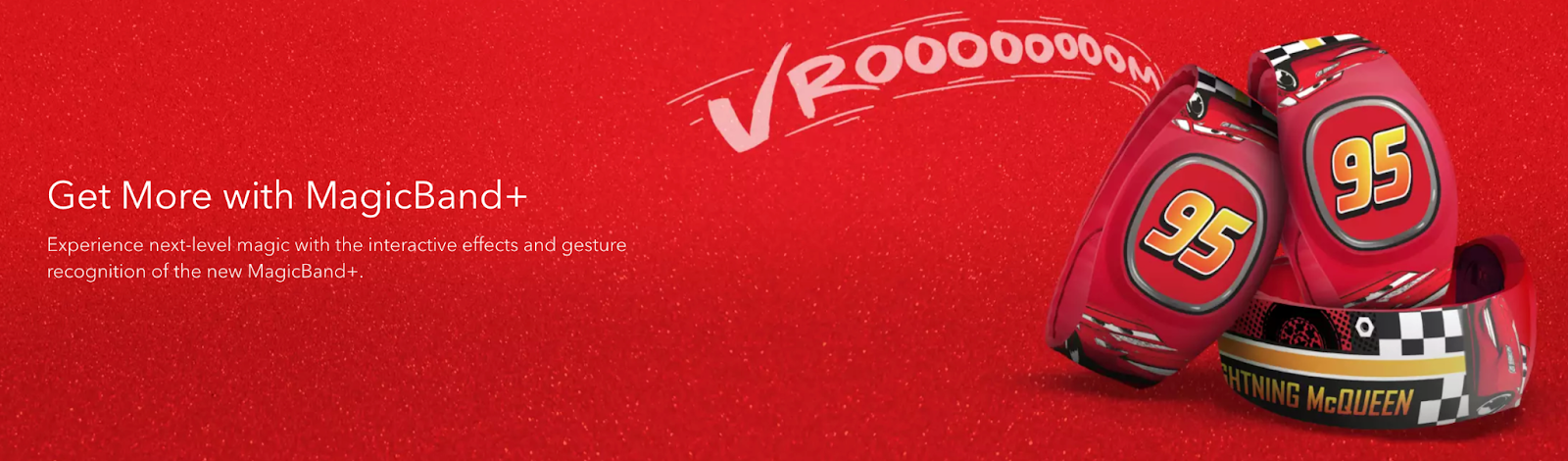
Once inside, the MagicBand wristband transforms into an all-access pass, allowing hassle-free entry to attractions, hotel rooms, and food purchases. That’s not all! The mobile app provides updates on real-time ride wait times, interactive maps, and personalized itineraries.
All these brands and their strategies have one thing in common, the effective use of customer data. Every business collects large amounts of data, but the real question is how they are using it.
No matter what your marketing strategy is, your brand’s core message is one. Every touchpoint your customer engages with has to reflect that core message. Like Disney making every customer interaction feel magical.
So, how can you create seamless omnichannel experience? Let’s break it down.
After you’ve collected data from various sources, you have to connect the dots. Understand where your customers come from, what influences their decisions, and what stops them from converting to craft an experience that translates into sales.
For example, if a customer frequently browses running shoes but hasn’t made a purchase, you could trigger a WhatsApp reminder with a limited-time discount or an Instagram ad showcasing customer reviews.
Omnichannel isn’t only about being everywhere—it’s being where your customers prefer to engage. With unified customer data, you can segment audiences based on behavior and target them through the right channel at the right time. This matters because,
When you align your messaging with customer behavior, you increase engagement, reduce drop-offs, and boost conversions.
Siloed data means disconnected customer experiences. An omnichannel approach ensures all customer touchpoints—purchase history, website visits, email interactions, social media engagement, and in-store behaviors—feed into a single, Omnichannel marketing software.
This helps you:
Like in Sephora’s Beauty Insider Program, they integrate data from online and offline purchases to offer exclusive perks that feel personalized and seamless.
Omnichannel marketing isn't the future—it's the present. An average customer engages with at least six touchpoints before making a purchase decision. So it’s no surprise; they expect their online interactions to enhance their in-store experiences, and vice versa.
When you merge digital convenience with in-person engagement you can create frictionless customer experiences.
Well, all of this is easier said than done, we hear you, and we want to help you.
ZEPIC does the heavy lifting, so you can focus on what matters—winning over customers with high-impact marketing campaigns. Our AI-infused customer engagement platform is what you need to create hyper-personalized customer experiences across multiple channels.
Try ZEPIC today!

%201.png)


.png)