Black Friday & Cyber Monday Email Marketing Best Practices
Anandhi Moorthy
Senior Content Marketer
November 10, 2025
TLDR
Plan by phase: Pre-BFCM sale builds hype, during-sale drives urgency, and post-sale builds loyalty.
Segment smartly: Personalization starts with segmentation, so target VIPs, browsers, abandoners, and new sign-ups differently.
Automate flows: Set up cart, checkout, wishlist, and win-back automations.
Write sharp subject lines: Use urgency, curiosity, emotion, and personalization to boost open rates.
Design clean layouts: Mobile-first design with a bold hero image, short copy, strong CTAs, and plenty of white space.
Send variety: Mix teaser, VIP, sale launch, urgency, gamified, social proof, and review request emails.
Choose the right tool: Pick an email marketing software with segmentation, automation, and omnichannel integration (like ZEPIC).
Post-sale nurture: Thank buyers, request reviews, and invite loyalty for long-term retention.
Black Friday and Cyber Monday (BFCM) mark the most competitive weekend in the e-commerce calendar. Studies show that the overall holiday season (November through December) represents about 20-30% of total annual retail sales, with BFCM being the dominant single weekend within that period.
For e-commerce brands, this weekend is all about standing out in a crowded space. How can you capture your audience’s attention when every brand is flooding their inbox with irresistible deals?
The answer is a data-driven email marketing strategy that begins weeks before the sale and continues long after it ends.
While paid ads can generate visibility, email marketing consistently outperforms other channels in driving conversions and customer retention. According to Forbes Advisor, nearly 60% of consumers purchase after receiving a promotional email. That makes it one of the most reliable levers for boosting BFCM performance and long-term customer value.
Let’s look at how you can make your BFCM email strategy work for you.
Understanding BFCM Email Strategy
With two weeks left before Black Friday and Cyber Monday, your email marketing strategy should be precise to drive results.
At this stage, focus on fine-tuning each phase of your BFCM campaign. The pre-, during-, and post-sale campaigns need to work together to drive conversions and build long-term loyalty.
The Role of Pre-, During-, and Post-BFCM Campaigns
Pre-BFCM: This phase is about preparation and anticipation. It’s when you build excitement, grow your list, and re-engage inactive subscribers. Early-access announcements, sneak peeks, and wish-list reminders create a sense of belonging among subscribers who feel “in the know.” The goal is to shift attention toward your brand before inboxes overflow with deals.
During BFCM: Once BFCM starts, customers experience decision fatigue. If you want to win, you have to simplify choices and create a sense of urgency without pressure.
Countdown timers, limited-stock messages, and clear CTAs use loss aversion, the psychological bias that makes people fear missing out more than they value saving money. Every message should guide the shopper toward a quick, satisfying action. Use CTAs like “shop now,” “Last Few Hours,” or “Your Offer Expires Soon” to nudge them towards a sale.
Post-BFCM: After the purchase, buyers enter a reflective phase. This is your chance to strengthen positive associations with your brand. Thank-you emails, personalized product recommendations, and loyalty program Invitations make your customers feel appreciated.
BFCM Email Marketing Best Practices
Segmentation and Automation: The Foundation of Effective BFCM Emails
Personalization begins with segmentation. Before you can send an email, you need to understand who you’re sending it to and why they’ll care.
Group subscribers based on shared behaviors, preferences, or buying intent to make your BFCM email campaigns relevant instead of repetitive. After grouping them, set up automation flows to make sure the right cohort gets the right message at the right time.
Key Segments to Prioritize Before and During BFCM
Loyal Customers & VIPs
Who they are: Repeat buyers, loyalty members, or top spenders.
What to send: Early access, thank-you messages, or private sale invitations.
Psychological trigger: Reciprocity—giving special treatment inspires repeat purchases.
High-Intent Shoppers (Cart & Browse Abandoners)
Who they are: Visitors who’ve browsed specific products, added items to their cart, or viewed your sale page without purchasing.
What to send: Reminders of viewed or saved products, restock alerts, and personalized offers tied to their browsing behavior.
Psychological trigger: The Zeigarnik effect—people tend to remember and feel compelled to complete unfinished actions. A timely reminder helps them finish what they started.
Wishlist Builders and Deal Watchers
Who they are: Shoppers who’ve been adding items to their wishlist, monitoring prices, or waiting for the right deal to buy.
What to send: Exclusive early-bird deals, “your wishlist is now on sale” alerts, or VIP early access to limited drops.
Psychological trigger: Anticipation and instant gratification—capitalize on their existing desire and the thrill of a timed deal.
What to send: A short welcome flow that builds excitement and previews your BFCM offers.
Psychological trigger: Curiosity and belonging—make them feel part of your community before the main sale starts.
Inactive or Lapsed Customers
Who they are: Past customers or subscribers who haven’t opened, clicked, or purchased in months.
What to send: A reactivation campaign like “We’ve missed you” or “Your loyalty discount is back.”
Psychological trigger: Nostalgia and recognition—remind them why they loved your brand in the first place.
High-Value Customers (VIPs)
Who they are: Your top spenders or long-term customers.
What to send: Private pre-sale access, thank-you notes, and high-end product previews.
Psychological trigger: Status and exclusivity—position them as insiders who get first pick.
Checkout Abandoners
Who they are: Shoppers who made it all the way to checkout but didn’t complete their purchase.
What to send: Friendly nudges reminding them of what they left behind, reassurance about shipping or payment security, or limited-time incentives to complete the order.
Psychological trigger: Loss aversion—people are more motivated to avoid losing what they already feel is theirs. A timely, personalized reminder can tip them from hesitation to purchase.
BFCM Email Subject Lines
Your subject line is the first, and sometimes only, chance to earn attention in a crowded inbox. During BFCM, when shoppers are flooded with hundreds of promotional messages, a well-crafted subject line can make all the difference
Here’s how to write subject lines that drive opens and action:
1. Use Urgency Without Sounding Pushy
BFCM is built on time-sensitive deals, but “Hurry!” and “Act fast!” have been overused. Instead, make urgency feel natural and specific with subject lines like,
“Ends tonight: your wishlist deal disappears at midnight.”
“Final few hours to grab your BFCM favorites.”
Last chance to save big
Pro Tip: Use time markers (“today,” “tonight,” “24 hours”) and subtle scarcity cues (“last chance,” “few left”) to prompt immediate action.
2. Create Curiosity Loops
Curiosity keeps people from scrolling past your email. Tease value without revealing everything. Here are some examples:
“We saved something special for you…”
“This deal wasn’t supposed to go live yet.”
“Guess what your wishlist looks like today?”
Pro Tip: Ask open-ended questions or hint at exclusivity to tap into the reader’s imagination.
3. Personalize Beyond First Names
Adding someone’s name isn’t enough anymore. True personalization means referencing their interests, purchase behavior, or timing. Examples:
“Still eyeing those sneakers? They’re finally on sale.”
“Your wishlist item just dropped 30%.”
“Welcome back, your favorite fur coat is waiting.”
Tip: Use dynamic fields like location, cart contents, or browsing history to tailor subject lines to intent.
4. Add Emotional Hooks
Emotionally charged words outperform neutral ones. Tap into joy, excitement, belonging, or even surprise to make your subject line memorable.
“You’ve earned this—your early access starts now.”
“We couldn’t wait to tell you this.”
“Because you deserve a little something special.”
5. Keep It Short, Clear, and Scannable
Most BFCM emails are opened on mobile. Long subject lines get cut off, and clever phrasing means nothing if the message isn’t visible. Remember to,
Aim for 40–50 characters or fewer.
Put the most important words first.
Avoid all caps or excessive punctuation.
Tip: Test your subject lines before launching the campaign with subject line testers.
Designing the Perfect BFCM Email Layout
Even with a killer subject line, a cluttered or confusing layout will lose attention in seconds. Here’s how to structure high-performing Black Friday Cyber Monday emails that convert:
1. Start with a Strong Visual Hierarchy
Guide the reader’s eye from the most important element to the next.
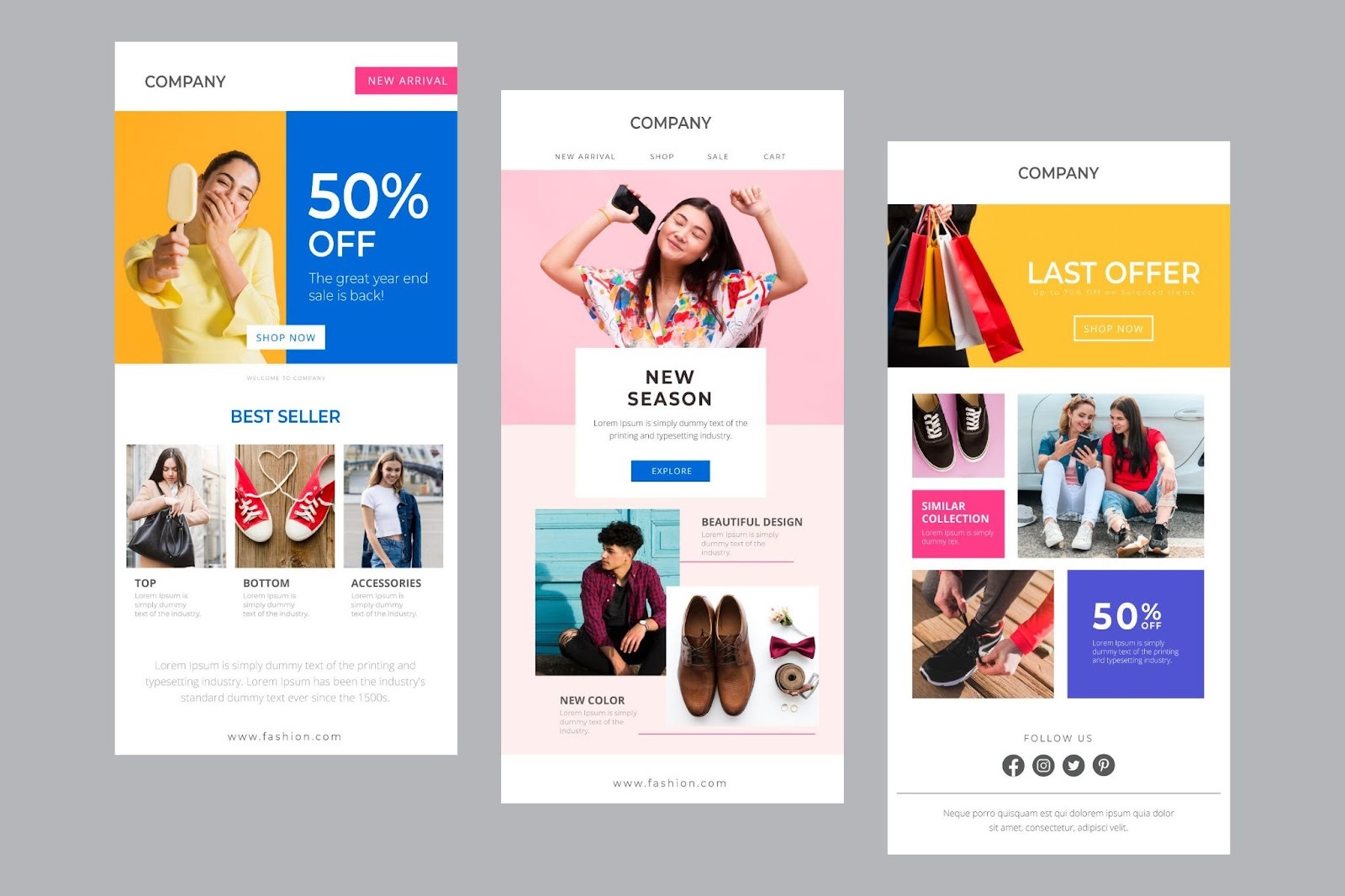
Hero section: Lead with a bold image, headline, or offer that instantly communicates value (“Up to 50% Off Sitewide”).
Supporting visuals: Use clean product photos, lifestyle imagery, or GIFs to showcase variety and excitement.
Whitespace: Don’t overcrowd the email; let your message breathe so each element stands out.
Pro tip: The hero image should be clickable and optimized for mobile.
2. Keep Your Copy Short and Easy to Skim
Use short sentences, bold highlights, and bullet points to break up text.
Lead with benefits (“Shop early for exclusive access”) before listing features.
Use action verbs and avoid fluff—your CTA should be visible within 3 seconds.
Pro tip: Treat your email like a landing page—remove anything that doesn’t push the reader toward a click.
3. Design for Mobile First
Over 70% of BFCM emails are opened on mobile.
Stick to one-column layouts for easier scrolling.
Keep CTAs large and tappable (at least 44px height).
Test your design on multiple screen sizes to avoid broken layouts.
Pro tip: Place key offers and CTAs in the top half of your email because mobile users rarely scroll all the way down.
4. Make Your CTA Unmissable
Use clear, high-contrast buttons like “Shop Now,” “Unlock My Deal,” or “Get Early Access.”
Avoid multiple CTAs unless they serve different intent levels (e.g., “Shop Men” and “Shop Women”).
Repeat your main CTA at least twice, once near the top and once at the end.
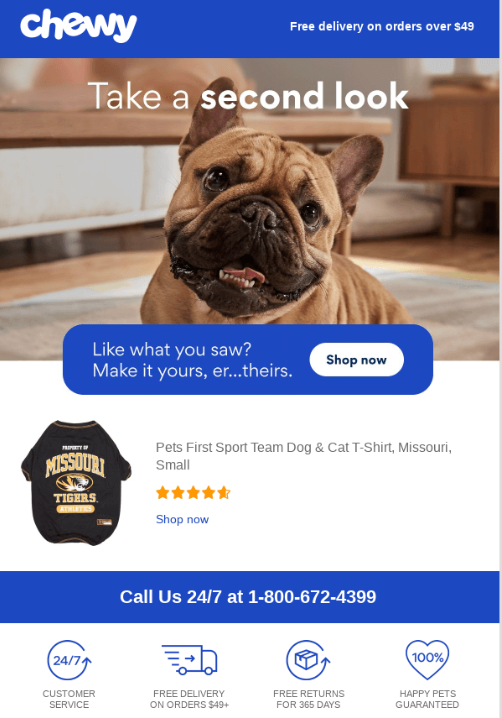
5. Add Social Proof and Trust Signals
Include star ratings, reviews, or bestseller tags under product images.
Add a line like “Join 50,000+ happy customers who shop with us every BFCM.”
For first-time shoppers, highlight your return policy, secure checkout, or fast delivery.
6. Match Visuals to Your Brand Personality
Use your brand colors with subtle seasonal accents (like gold, red, or metallics).
Maintain a consistent tone—whether that’s playful, premium, or minimalist.
Keep accessibility in mind: avoid flashing visuals and ensure text has enough contrast.
The Types of Black Friday/Cyber Monday Emails You Can Send
Each email you send should serve a specific purpose: to attract, engage, convert, or retain. Mixing different types of emails across the pre-, during-, and post-BFCM sale stages help make sure your subscribers remember your brand without being overwhelmed.
Here’s a breakdown of high-performing BFCM email types to include in your calendar:
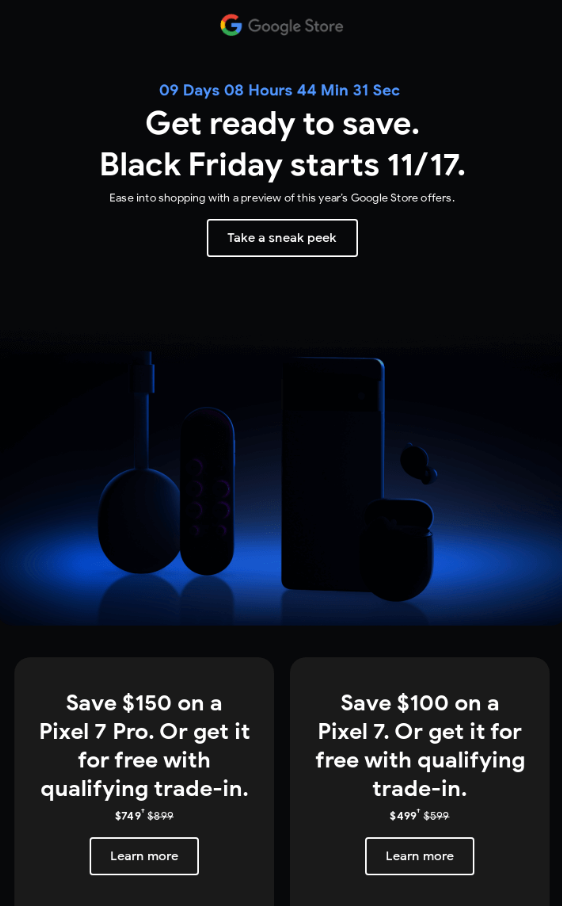
Teaser and Announcement Emails
Source: Really Good Emails
When to send: 2–3 weeks before BFCM
Goal: Build anticipation and curiosity.
Give your audience a glimpse of what’s coming, without revealing everything.
Pro tip: Keep visuals minimal and focus on intrigue rather than discounts.
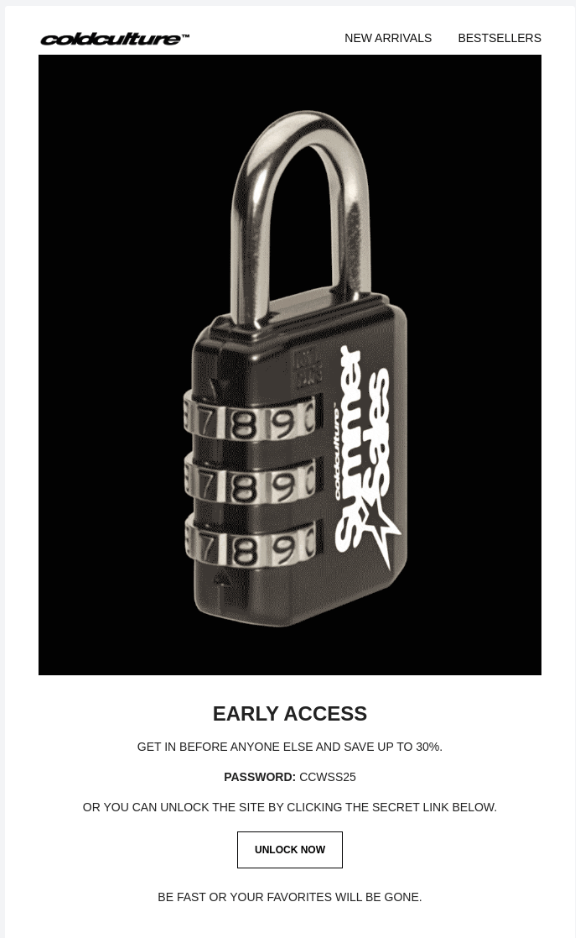
Early Access or VIP Emails
Source: Really Good Emails
When to send: 7–10 days before BFCM
Goal: Reward your most engaged audience.
Offer early access to loyal customers, repeat buyers, or those who signed up via exclusive links.
Pro Tip: Reinforce exclusivity with personalized codes or gated access via email.
Black Friday Sale Launch Emails
Source: Really Good Emails
When to send: The moment your sale goes live
Goal: Announce your biggest offers clearly and powerfully.
The sale launch email is your main event, so make it bold, benefit-driven, and visually striking.
Use clear CTAs like “Shop Now” and create urgency with scarcity cues such as “Only 24 hours left.”
Reminder and Urgency Emails
Source: Really Good Emails
When to send: During BFCM weekend
Goal: Drive action before the clock runs out.
Countdown timers, low-stock alerts, and real-time updates help trigger last-minute conversions.
Abandoned Cart and Checkout Emails
Source: Really Good Emails
When to send: Throughout the BFCM sale
Goal: Recover lost revenue and convert high-intent shoppers.
These emails target shoppers who came close to purchasing. Personalize with product images, reviews, and small nudges like free shipping or low stock warnings.
Gamified and Interactive Emails
Source: Really Good Emails
When to send: Before or during BFCM
Goal: Increase engagement and make your campaign memorable.
Gamification adds a fun, dopamine-driven layer to your emails. Use spin-the-wheel offers, mystery discount reveals, or scratch-to-win codes to reward curiosity and interaction.
Gift and Shopping Guide Emails
Source: Really Good Emails
When to send: 1–2 weeks before BFCM and during the sale
Goal: Simplify decision-making and inspire purchases.
Gift and shopping guide emails help customers navigate the overwhelming number of deals. When you curate products into themed collections like “Gifts Under $100” or “Top Picks for Him/Her,” you reduce choice paralysis and position your brand as a helpful guide rather than just another retailer.
Social Proof Emails
Source: Really Good Emails
When to send: During BFCM weekend and immediately after
Goal: Build credibility and reduce purchase hesitation.
Highlighting real reviews, testimonials, user-generated photos, or “most popular” products helps hesitant shoppers feel more confident about buying.
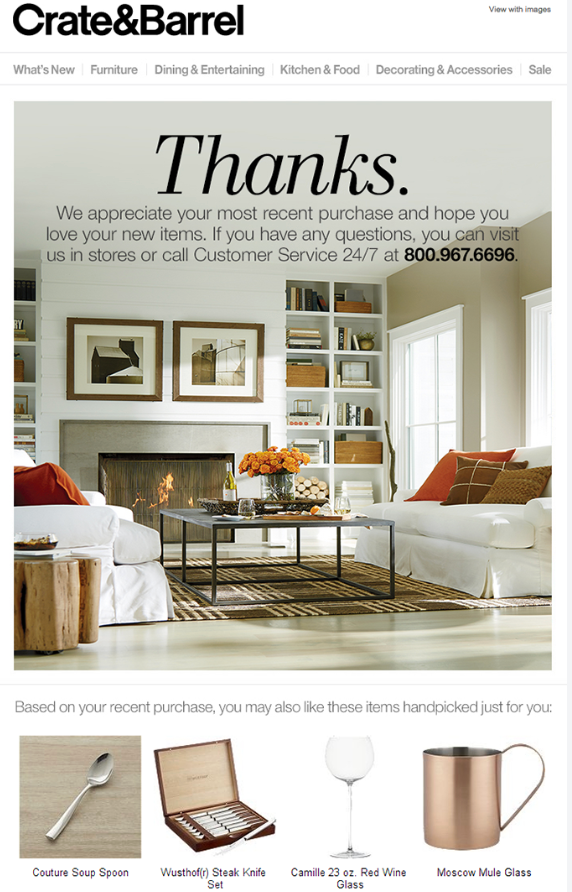
Post-Purchase and Thank-You Emails
Source: Really Good Emails
When to send: Immediately after purchase
Goal: Strengthen relationships and encourage repeat business.
Post-purchase emails are an opportunity to turn one-time buyers into loyal fans.
Thank them genuinely, include product care or styling tips, recommend complementary products, or invite them to your loyalty program.
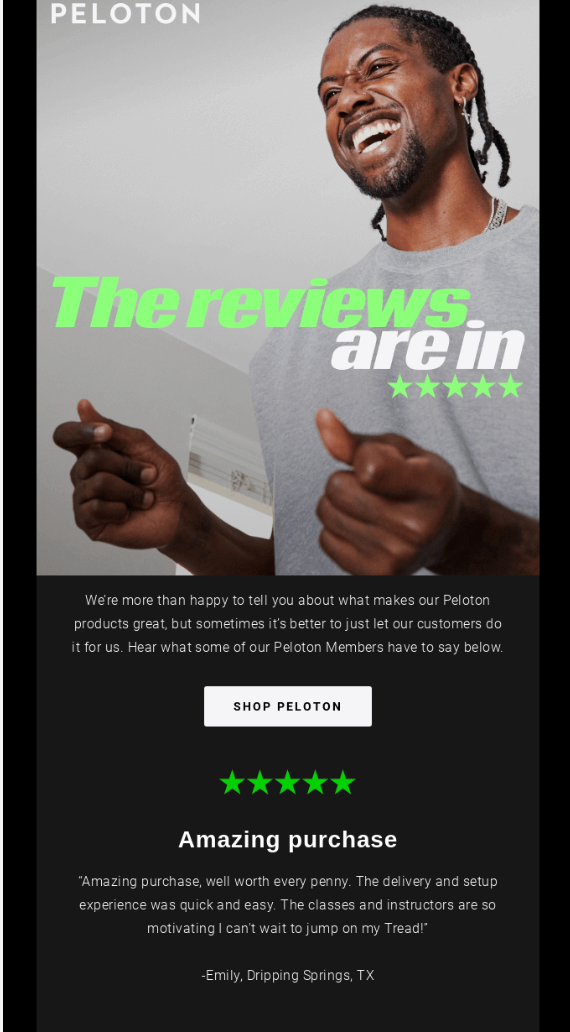
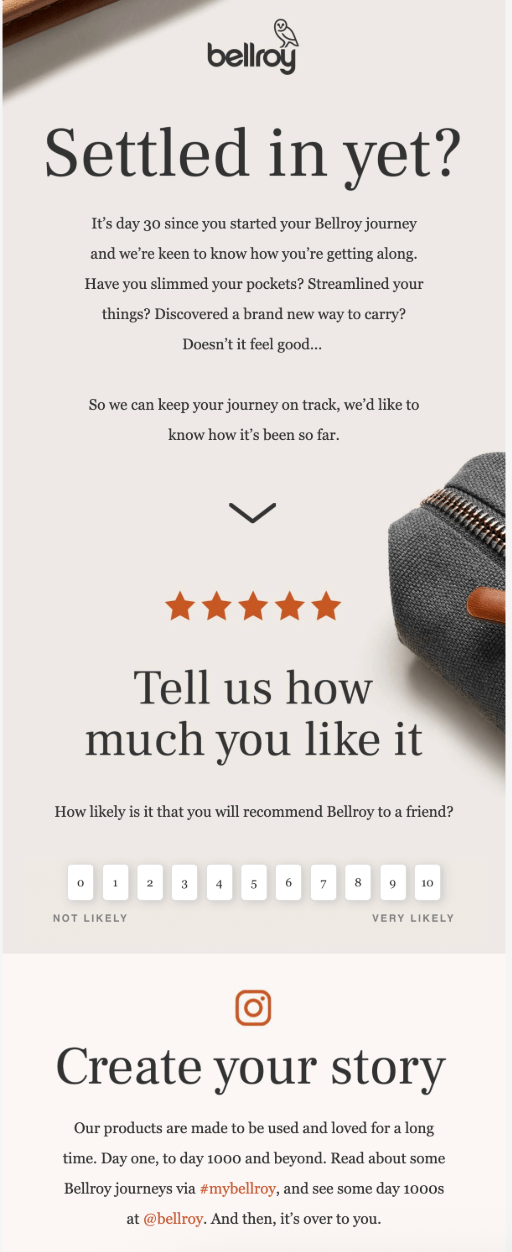
Review Request Emails
Source: Really Good Emails
When to send: 5–10 days after purchase
Goal: Build trust, collect social proof, and strengthen post-purchase engagement.
Review request emails are a powerful way to turn one-time buyers into brand advocates. By asking for honest feedback at the right moment—when the excitement of their purchase is still fresh—you create social validation that influences future shoppers.
Choosing the Right Email Marketing Software for BFCM
Even the best-crafted email strategy can fall flat if your software can’t handle segmentation, automation, and analytics efficiently.
When choosing your email marketing tool, look for:
Advanced segmentation capabilities to target users by behavior, intent, and engagement level.
Automation workflows that trigger emails and messages based on customer actions (cart abandonment, wishlist activity, checkout exits, etc.).
Omnichannel integration to reach customers not just through email, but also via other channels like WhatsApp and Instagram.
Real-time analytics that track opens, clicks, and conversions across channels to help you optimize as the sale unfolds.
If you’re looking for an all-in-one solution built for high-converting BFCM campaigns, ZEPIC is designed for exactly this.
Make This BFCM Your Most Profitable Yet
With just two weeks left before Black Friday and Cyber Monday, every message you send should have purpose, precision, and personalization.
A thoughtful BFCM email strategy—rooted in segmentation, automation, and psychology—can turn inbox noise into conversions and one-time shoppers into long-term customers.
Use these final days to refine your email flows, test your subject lines, and ensure your design and copy align with your brand’s promise.
Most importantly, leverage tools like ZEPIC to unify your channels, automate your campaigns, and deliver the kind of experience that keeps customers coming back long after the sale ends.




.png)





%201.png)


.png)