Meet

Neura HQ,
Your connected AI Agent Workforce Know more



TL;DR
During the pandemic, we saw a massive boom in the e-commerce sector. Sales grew from $571.2 billion in 2019 to $815.4 billion in 2020. The average share of internet users making online purchases increased from 53% in 2019 to 60% in 2020 and 2021.
However, 6 years later, the era of relying solely on digital storefronts to scale a brand has reached a decisive tipping point. Escalating ad acquisition costs, saturated digital feeds, rising consumer skepticism, and strict privacy-driven signal loss have combined to crush digital operating margins.
To build sustainable businesses, brands are executing a massive strategic pivot to the physical world. This movement, frequently termed the "click-to-brick" expansion, is no longer a trendy experiment reserved for venture-backed unicorns.
Digital-first brands that successfully establish a physical retail presence now generate over 60% of their total revenues through offline stores.
Let’s look at the catalysts behind this shift and what lies ahead.
To understand why direct-to-consumer brands are signing physical real estate leases at unprecedented rates, we’ll have to look at the financial pressures modern e-commerce brands face.
During the early days of e-commerce, digital platforms offered an unmatched arbitrage opportunity: precise audience targeting at a fraction of traditional advertising costs. Today, that arbitrage is gone. Over the last few years, Customer Acquisition Costs across paid search and social media channels have surged by 40% to 60%.
As ad auctions grow increasingly crowded, Return on Ad Spend (ROAS) has flattened. For pure-play e-commerce stores, every prospective customer click represents a recurring variable expense. If a brand stops spending on digital ads, customer traffic immediately drops to zero.
Physical storefronts fundamentally reshape the economics of customer acquisition. A brick-and-mortar store operates as a permanent, physical billboard. Instead of paying per impression or per click in perpetuity, a brand pays a predictable, fixed real estate lease while capturing thousands of organic foot traffic impressions daily.
E-commerce conversion rates globally remain stubbornly low, typically averaging between 2% and 3%. The vast majority of visitors to digital stores drop off without adding an item to their cart. This could be because they were distracted by competing browser tabs, shipping costs, or uncertainty about fit and finish.
But in the physical retail world, a consumer who walks into a brick-and-mortar storefront has already invested time and effort to travel there, demonstrating immediate purchase intent.
According to retail data from the India Phygital Index, top offline D2C retail locations routinely convert foot traffic at rates upwards of 70%. When customers can interact directly with products, try on garments, or sample cosmetics, purchasing friction vanishes.
Reverse logistics is one of the greatest profit drains for e-commerce brands. In categories such as apparel, footwear, and home decor, digital return rates frequently reach 20% to 30%. Processing returns involves restocking fees, damaged goods write-offs, and two-way shipping expenses that destroy net margins.
When shoppers try on clothing, test shades, or evaluate product materials in person, post-purchase expectations align perfectly with reality. This hands-on evaluation slashes return rates by a lot.
Physical stores also drive larger basket sizes: in-store shoppers consistently record an Average Order Value (AOV) more than 1.5 times higher than pure online buyers.
Digital market penetration hits a natural ceiling once primary metropolitan markets mature. Outside top-tier urban centers, millions of high-intent consumers prefer traditional retail interactions where they can inspect goods firsthand before handing over payment. For D2C brands seeking sustainable long-term scale, entering physical retail networks in regional, Tier-2, and Tier-3 markets is essential to unlocking underserved consumer demand.
Beyond the economics, opening physical stores offers strategic operational advantages that digital channels cannot replicate.
A prime street-level storefront or high-visibility mall location delivers millions of qualified impressions per month. Unlike digital ads that vanish the moment the budget runs out, a physical store establishes a persistent, long-term brand presence in high-traffic shopping corridors.
For emerging digital brands, online customer skepticism remains a real barrier to conversion. Physical stores provide tangible proof of legitimacy and quality. Consumers who see a real store with staff and physical inventory view the brand as an established, trustworthy business.
Digital screens are limited to flat images and short video clips. Physical environments engage all five senses, custom store lighting, signature scents, curated background music, and hands-on product interaction. This sensory engagement builds emotional brand affinity that digital ads cannot match.
When physical stores double as customer service points, return and exchange processes turn into opportunities rather than cost centers. A customer bringing a return into a store can instantly exchange it for a different size or discover complementary products with guidance from store associates.
In-store merchandising techniques, such as strategically placed accessories near checkout areas and curated product bundles, drive spontaneous impulse purchases. Customers engaged in a physical environment are far more receptive to add-on recommendations than website visitors rushing through a digital checkout drawer.
In many regional markets, e-commerce delivery logistics can take several days, while digital ad penetration remains fragmented. Establishing a physical retail footprint gives regional shoppers instant product access without shipping delays, capturing localized market share ahead of digital-only competitors.
Modern physical stores act as decentralized hubs for last-mile delivery and localized order fulfillment. Brands can fulfill local online orders directly from store inventory, reducing shipping zones, cutting transit times, and lowering carrier fees.
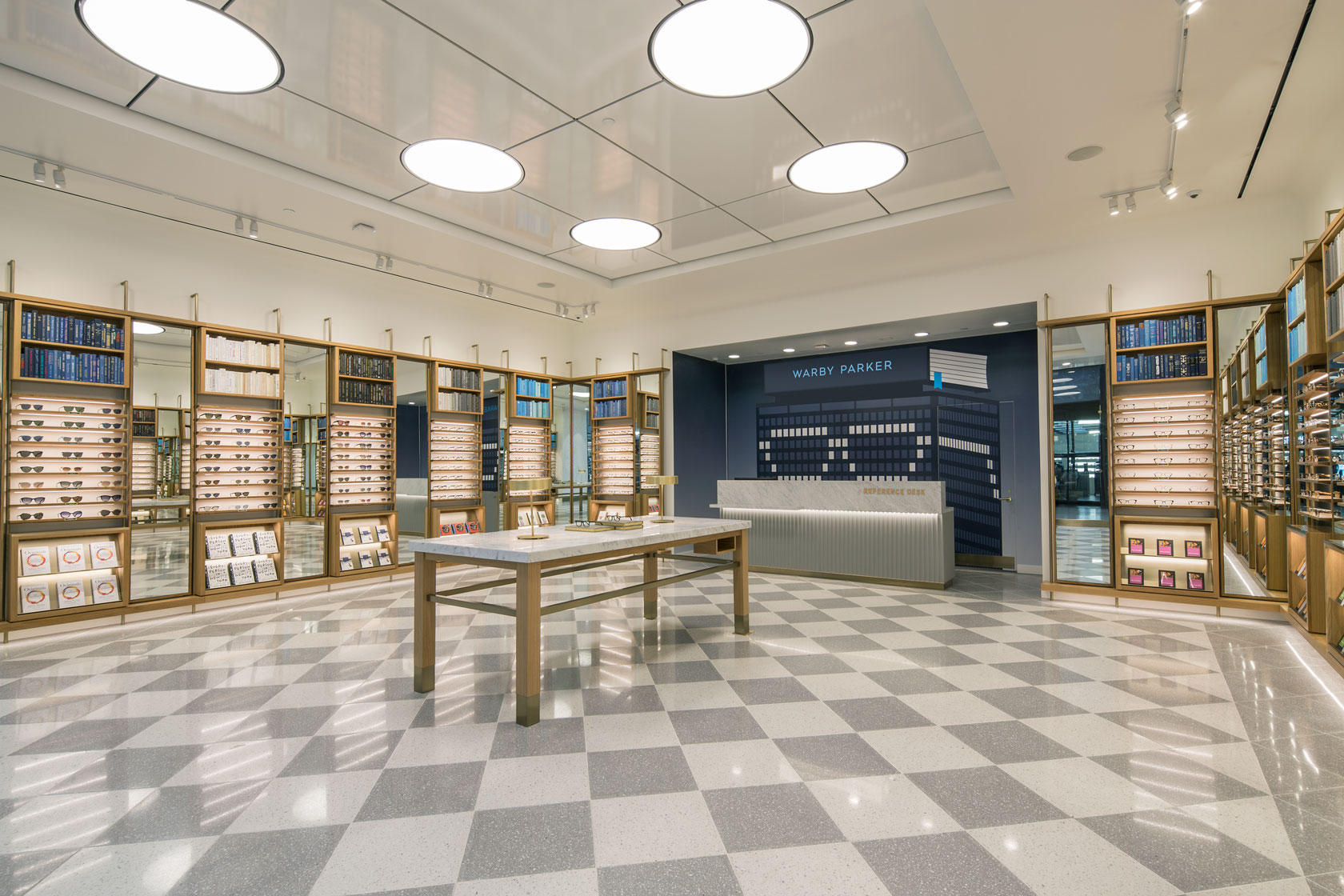
Founded in 2010, Warby Parker revolutionized the eyewear industry by selling prescription glasses directly to consumers online, bypassing traditional retail markups with a signature "Home Try-On" program. While the digital model gained rapid traction, management quickly recognized that frame fitting, eye exams, and instant adjustments were inherently physical experiences.
So, Warby Parker began testing physical pop-ups inside showrooms before opening dedicated brick-and-mortar locations. They designed stores to feel like vibrant libraries rather than clinical optometry offices.
Today, Warby Parker operates hundreds of retail stores across North America. Physical stores generate the majority of their overall net revenue, serve as their primary low-cost customer acquisition engine, and deliver industry-leading sales density per square foot.

Glossier originated from the popular beauty blog Into The Gloss, leveraging community engagement and social media to launch a cult-favorite skincare and makeup brand. However, because beauty products rely heavily on shade matching, texture evaluation, and personal testing, digital channels alone limited their ultimate scale.
Glossier designed highly aesthetic flagship stores in major global cities, including New York, London, and Los Angeles. These locations were built as immersive product testing lounges and social community hubs rather than standard retail spaces.
Glossier's physical locations draw massive daily queues, turning store visits into viral social media moments. In addition to their flagships, Glossier expanded into wholesale retail partnerships with major beauty chains like Sephora, rapidly broadening their physical touchpoints globally.
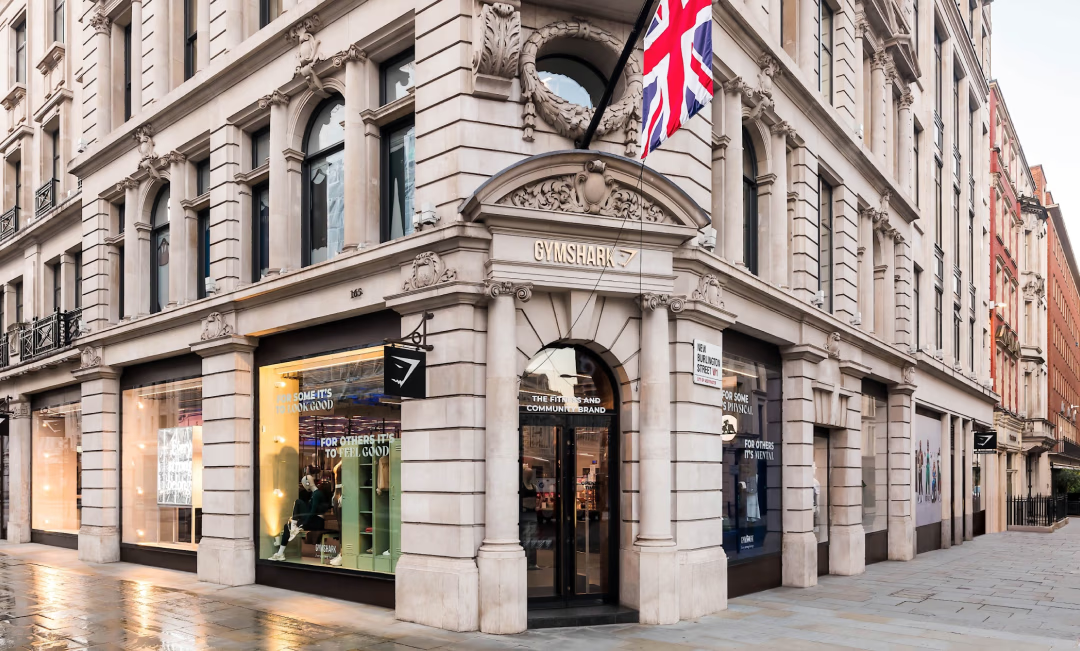
Gymshark started as an online-only fitness apparel brand operating out of the UK, scaling rapidly through influencer partnerships on Instagram and YouTube. To deepen community connection and expand beyond social feeds, Gymshark ventured into physical retail.
Gymshark opened flagship locations, such as its landmark store on London's Regent Street. Rather than filling every square foot with clothing racks, they dedicated significant space to workout studios, community event stages, and healthy juice bars.
Gymshark transformed physical retail real estate into an active lifestyle destination. The flagship store serves as a major customer acquisition engine, driving both in-person sales and long-term online repeat orders.
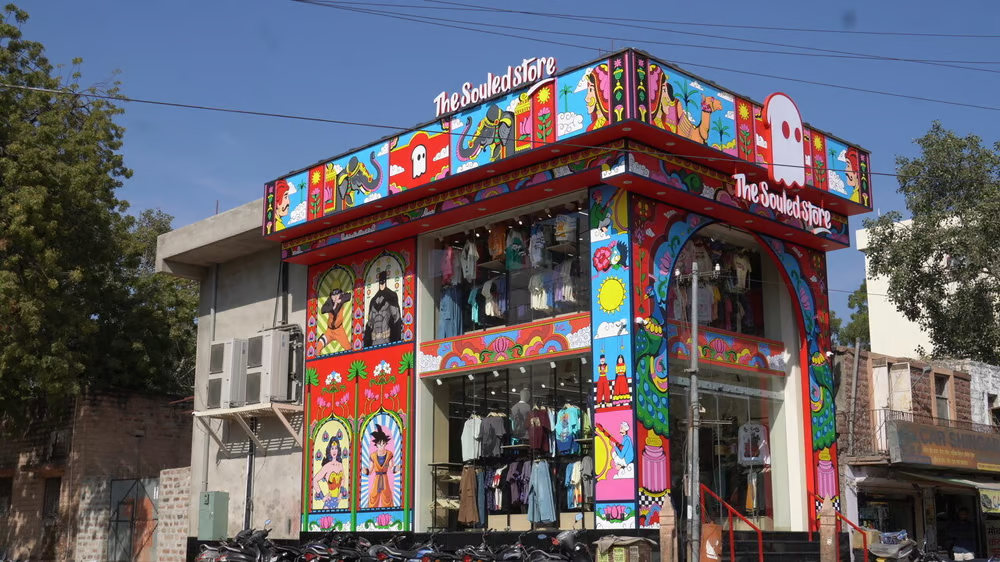
Founded in 2013, The Souled Store built a massive online brand around licensed pop-culture apparel, superhero merchandise, and casual wear.
The Souled Store strategically opened retail outlets in high-density shopping malls and popular retail districts, recreating their vibrant online aesthetic in a physical format.
The offline expansion delivered immediate financial returns. Physical stores achieved an in-store conversion rate exceeding 70%, while average offline order values reached more than 1.5 times their online order average. Physical outlets provided an engaging space for loyal fans while attracting broad foot traffic that had never interacted with their website.
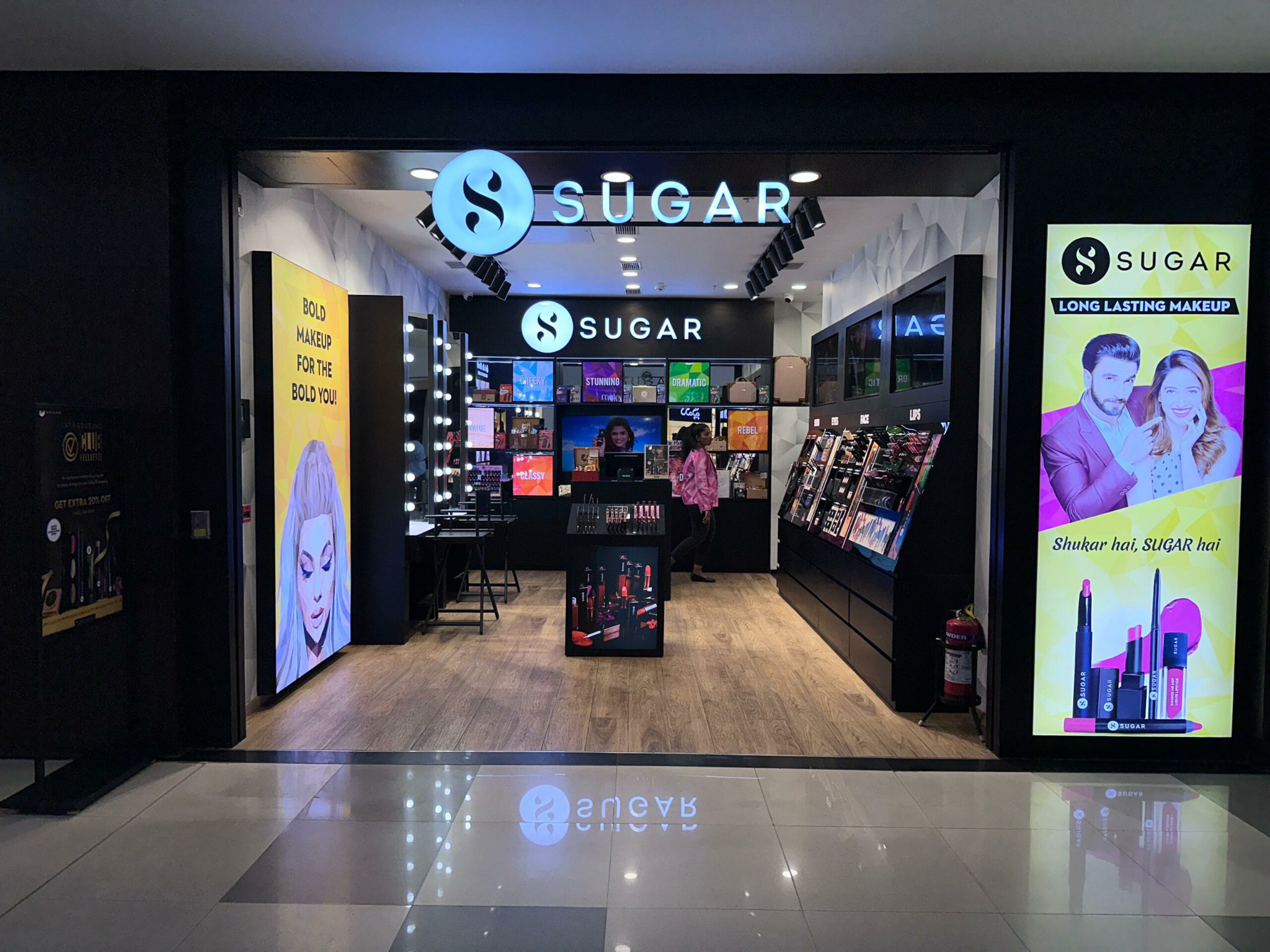
Founded in 2012, SUGAR Cosmetics took the beauty market by storm with a digital-first approach. With cosmetics tailored specifically for Indian skin tones and leveraging aggressive social media marketing, SUGAR rapidly won over Gen Z and millennial shoppers. However, to compete among top beauty brands nationwide, management realized offline presence was non-negotiable.
Starting in 2017, SUGAR executed a phased offline rollout—moving from e-commerce partner portals to Exclusive Brand Outlets (EBOs), high-traffic mall kiosks, and multi-brand beauty retail counters.
SUGAR expanded its physical footprint to over 45,000 retail touchpoints. Today, 65% of SUGAR's total revenue originates from offline channels, with 60% of overall sales coming from markets outside Tier-1 cities. Physical stores enabled shoppers in smaller cities to test shades in person, driving deep brand trust and high repeat purchase rates.
Noise started as an online seller of smartphone accessories before making a major pivot in 2018 to focus on smartwatches and wireless audio. While e-commerce accelerated its initial growth, Noise recognized that long-term scale required making their products physically accessible to traditional shoppers.
In late 2020, Noise partnered with major electronics retail chain Vijay Sales, placing its smartwatches and audio products across more than 100 large-format physical stores across India.
Noise built a balanced omnichannel operational model, maintaining an 80% online and 20% offline strategic focus. Physical display units allowed shoppers in Tier-2 and Tier-3 cities to test screen displays, build quality, and audio clarity firsthand, solidifying Noise's market-leading position in smart wearables.
The migration of digital-native brands into physical spaces is fundamentally redefining modern retail dynamics.
Retail is no longer an "online versus offline" zero-sum game. Consumers do not think in terms of channels; they simply evaluate brands. A customer might discover a brand on Instagram, visit a physical store to verify sizing, place an order via a mobile app, and pick up or exchange the item at a nearby retail outlet. Brands that treat channels as separate business units create disconnected, frustrating customer experiences.
The role of physical real estate has evolved. Stores are no longer mere warehouses filled with shelves of static inventory. Instead, leading brands design stores as experiential discovery spaces, community gathering points, and localized service centers. Physical locations serve as friction-free points for Buy-Online-Pick-Up-In-Store (BOPIS) and Buy-Online-Return-In-Store (BORIS), blending physical convenience with digital speed.
Data across modern retail operations consistently shows that omnichannel shoppers are a brand's most profitable customers. Buyers who interact with a brand across both digital and physical touchpoints demonstrate higher purchase frequencies, spend more per transaction, and remain loyal significantly longer than single-channel buyers.
To deliver a truly seamless omnichannel experience, brands need a unified customer data layer that connects every digital click to every physical store visit in real time.
Unifying online browsing history, mobile app behavior, physical POS transaction receipts, and customer service interactions into one centralized profile provides an absolute single source of truth. Brands can track total lifetime spend across channels, identify preferred shopping locations, and understand individual buying habits.
Connecting online data to physical point-of-sale systems enables personalized in-store clienteling. When a loyal customer walks into a store or scans a loyalty QR code at checkout, store associates can instantly view past online purchases and style preferences on their tablet or POS terminal. This empowers associates to offer tailored recommendations and deliver elite customer service.
When physical store purchases sync instantly with your marketing engine, post-visit customer engagement becomes highly relevant. Instead of sending generic mass promotional blasts, brands can trigger automated follow-up messages based on exact in-store activity. For instance, if a customer purchases a pair of leather boots in-store, your platform can automatically trigger a personalized WhatsApp or email campaign recommending shoe care kits or matching accessories 5 days later.
Consolidating location-based purchase data empowers marketing teams to run targeted local campaigns. Brands can trigger geo-targeted SMS or WhatsApp notifications offering exclusive in-store perks to nearby digital subscribers when launching new collections. Furthermore, analyzing aggregated regional buying trends ensures physical store shelves are stocked with products local shoppers actually buy.
The migration of direct-to-consumer brands from digital screens to physical streets is not a passing trend—it is the defining retail evolution of 2026. As digital acquisition channels remain crowded and expensive, physical stores offer high-conversion spaces that build lasting consumer trust, increase average order values, and expand regional market share.
However, simply opening physical doors is not enough. The brands that win in this hybrid landscape are those that eliminate the boundary between online and offline. By connecting digital engagement with physical store interactions, you turn fragmented transactions into a continuous, high-LTV customer journey.
Expanding into physical retail shouldn't mean splitting your customer data into isolated silos.
ZEPIC empowers modern D2C and omnichannel brands to bridge the gap between digital clicks and physical store visits. If you unify website browsing history, mobile app interactions, physical POS transaction receipts, and customer support conversations into a single real-time data layer, ZEPIC gives you a complete, 360-degree view of every customer.
With ZEPIC, you can:
Ready to build a truly unified omnichannel experience for your brand?
Book a Demo with ZEPIC Today and see how seamless online-offline customer engagement can transform your growth strategy.

%201.png)


.png)