Meet

Neura HQ,
Your connected AI Agent Workforce Know more




TLDR
Every failed delivery costs an Indian D2C brand ₹350-500.
For a brand processing 10,000 orders monthly with a 20% RTO (Return to Origin) rate, that's ₹7-10 lakhs lost every month, money that could be saved with the right strategies.
While many accept RTO as a “cost of doing business,” it is in fact preventable. Customers don’t wake up deciding to reject their orders. They forget, face product-related doubts, or they simply can’t be reached.
Nearly 40% of RTOs can be avoided by fixing the right stages of the customer journey. How can you do this?
You can focus on better order verification, nudging COD buyers toward prepaid, and reminding customers before dispatch.
So instead of treating RTO as an unavoidable expense, forward-thinking D2C brands are treating it as an opportunity to build trust, streamline operations, and reclaim lost margins.
We’ve put together a three-step prevention framework that breaks down and addresses 80% of RTO issues.
Let’s start by understanding why RTOs happen in the first place and why prevention is far more profitable than recovery.
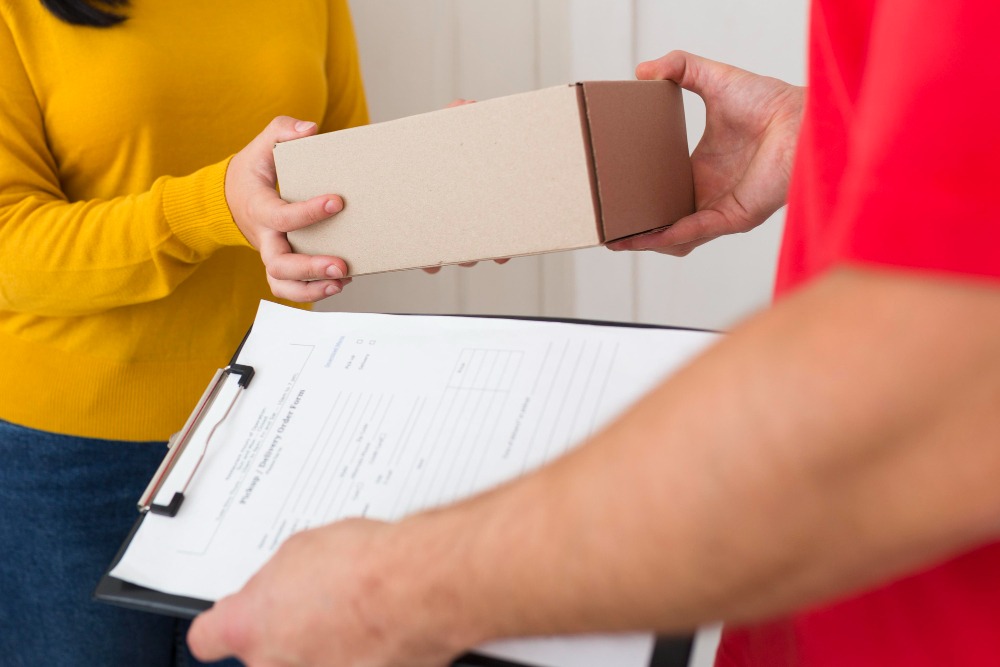
RTO is a silent profit drain that quietly eats into your brand’s margins. Every time an order returns to your warehouse undelivered, you’re not only losing the sale but also paying the price for it.
For a fashion brand selling apparel, ethnicwear, athleisure, or even footwear, the cost of a failed delivery adds up quickly. On average, a single RTO costs ₹350–₹500, covering forward shipping (₹80–₹120), return shipping (₹80–₹120), packaging (₹20–₹30), and processing or handling (₹50–₹70).
And, this cost varies significantly depending on the SKU type.
Lighter items like tops or shirts sit on the lower end of the spectrum, while heavy or bulky SKUs—such as denim, jackets, or footwear—can push your RTO cost even higher due to increased shipping and handling.
Now add scale to that equation.
At a 20% RTO rate on 10,000 monthly orders, a fashion brand ends up losing ₹7–10 lakhs every single month. That’s money vanishing without adding any revenue, customer value, or brand equity.
But these are only the visible costs. The hidden ones are far more damaging.
When an order returns to origin, the impact goes beyond shipping invoices. For starters, the inventory remains locked up for 15–20 days, tying up working capital that could have been used to fulfill new orders. Then there’s the customer acquisition cost, all the money you spent on ads, influencer collaborations, and discounts to get that order, now gone, with nothing to show for it.
Operationally, your support and logistics teams also pay the price. Because they spend hours tracking returned shipments, updating order statuses, and processing refunds, time that could have been better spent on customer retention or fulfillment optimization.
And if you’re running on Cash on Delivery (COD), the cash flow impact is harder. The delay between shipping, failed delivery, and refund stretching across weeks creates unnecessary strain on liquidity and planning.
Beyond the immediate financial loss, RTOs have a lasting impact on customer behavior.
When a delivery fails, the likelihood of that customer purchasing again drops dramatically. Internal data from several Indian D2C brands shows that repeat purchase probability can fall by up to 60% after an RTO.
It’s not hard to see why a failed delivery breaks trust, even if unintentionally. The customer associates your brand with inconvenience, and winning them back often costs more than acquiring a new one.
To put things in perspective, if your monthly orders = X and your RTO rate = Y%, your monthly RTO loss = X × Y% × ₹400 (using ₹400 as the average per-order cost).
For example, 20,000 monthly orders with a 20% RTO rate can result in nearly ₹16 lakh lost every single month.
But the silver lining is most of these failures are preventable. Here’s how you can prevent them:
Let’s start with the simplest, most overlooked step in the RTO prevention process: verifying customer addresses before the order ships.
Studies show that around 40% of RTOs happen because of incorrect or incomplete addresses.
Sometimes customers mistype their phone number or forget to include landmarks or apartment names; other times, delivery agents can’t locate the address even if the pincode is right.
The frustrating part is almost all of these errors can be fixed before dispatch with a simple address confirmation via WhatsApp or email.
Most customers genuinely want their orders delivered successfully; failed deliveries are more of an oversight than indifference. In the excitement of checkout, it’s easy to misspell a street name, skip a flat number, or type the wrong phone digit. Address verification is a soft safety net and a quick opportunity to correct small mistakes before they become expensive failures.
Verified addresses lead to fewer delivery exceptions, smoother coordination with logistics partners, and faster fulfillment cycles.
The best time to verify addresses is within 2–4 hours of order placement, while the excitement of the purchase is still fresh.
To make this process scalable, automation helps. You can:
If you ask any D2C operations head what drives the majority of their RTOs, the answer will almost always be the same: Cash on Delivery (COD). While COD remains a necessary option for many Indian shoppers, it also happens to be the single largest source of failed deliveries.
Data across categories shows that COD orders are 3× more likely to fail. The reason is simple: when a customer hasn’t paid yet, their level of commitment is lower. They might change their mind, run short on cash, or simply decide to ignore delivery calls.
Converting even a small percentage of COD orders to prepaid can drastically reduce RTOs and improve cash flow. It’s not about eliminating COD because that would alienate a large share of first-time buyers, but it’s about encouraging customers who are comfortable paying upfront to do so with the right message at the right time.
The sweet spot for COD-to-prepaid campaigns is within 2–6 hours after order placement, before the order is dispatched. This window allows you to reach customers while they’re still engaged with their purchase but before your logistics team processes the shipment.
Once the product is in transit, the cost and complexity of any change multiply, so the earlier you prompt the switch, the higher the success rate.
Once a customer has paid, they perceive ownership. This psychological “buy-in” makes them far more likely to accept delivery and less likely to change their mind. Prepaid buyers also feel a greater sense of accountability toward receiving the order on time, which further reduces no-shows and refusals.
Here’s a tried-and-tested three-step campaign sequence many Indian D2C brands use:
The key is to give customers a reason to switch, one that feels like a win for them, not just the brand. Incentives that consistently perform well include:
These benefits work best when they’re framed as value-added perks.
If you want these campaigns to work at scale, simplicity is everything.
Prepaid adoption varies widely across regions.
In Tier 1 cities (metros), prepaid orders make up around 77% to 80% of all orders, thanks to digital payment adoption.
In contrast, Tier 2 and Tier 3 cities show a lower prepaid share but are rapidly catching up, with prepaid orders accounting for approximately 60-63% of total orders. So it’s smarter to focus on reassurance messaging rather than discounts alone.
Localized communication also helps. Using regional languages or mentioning familiar payment gateways (like PhonePe or Paytm) can boost response rates significantly.
COD-to-prepaid conversion campaigns deliver measurable, bottom-line impact when timed right. Brands that adopt this strategy typically see:

Even after successful address verification and a smooth payment process, many orders still fail at the final mile. Why? Because no one’s home.
That’s where delivery-day nudges come in. A simple reminder before the parcel goes out for delivery can improve success rates. And for COD orders, it ensures customers are prepared with the right amount at hand.
A large portion of RTOs, often 22% occur because the customer isn’t available when the delivery arrives. These aren’t intentional rejections, just avoidable timing issues. A quick message before delivery helps make sure someone is home and expecting the order. This reduces failed attempts while improving the overall customer experience.
Send delivery reminders 24 hours before the scheduled delivery, followed by short, friendly nudges on the morning of delivery and just before the delivery attempt.
Brands using pre-delivery nudges have about 20% fewer RTOs linked to unavailability and a smoother last-mile process overall. A small message, sent at the right time, can save thousands in logistics costs every month.
Integration Requirements
To start, your Order Management System (OMS), logistics partner APIs, and communication platforms like WhatsApp Business or SMS gateways need to be connected. This ensures that every customer interaction is triggered automatically based on real-time order updates.
When these systems sync properly, you can:
Automation is where prevention becomes scalable. Define trigger rules and timing windows for each touchpoint .
Use segmentation logic to treat customers differently based on risk level, geography, or payment mode. Add a personalized touch with their name and specific product, and tailor incentives accordingly.
Platforms like ZEPIC simplify this process with ready-to-use automation tools. Zenie AI’s prompts help teams set up campaigns quickly, using pre-built templates for address verification, COD conversions, and delivery reminders.
The built-in analytics dashboard tracks campaign performance, RTO reasons, and cost savings, giving brands clarity on what’s working.
Track:

1. Over-messaging customers: Constant follow-ups can cause fatigue and even cancellations
2. Using generic templates
Customers can tell when they’re part of a bulk message. Personalize your outreach; include their name, product, and expected delivery date.
3. Poor timing: Messages sent too early or too late lose impact.
4. Ignoring regional preferences: Language, payment behavior, and response patterns differ by region. Tier 2–3 customers often prefer vernacular communication and COD reminders via WhatsApp over email.
5. Not providing easy alternatives: Always give customers one-click options. Edit the address, switch to prepaid, or reschedule delivery.
6. Focusing on one solution only: Verification, conversion, and reminders work in sync; skipping one weakens the chain.
7. Missing post-RTO recovery: Every failed delivery is also a re-engagement opportunity. Follow up to understand why, and offer help.
RTO prevention is a revenue recovery lever. The math is simple.
In other words, every rupee spent on prevention can save ten.
Week 1: Set up automated address verification workflows and flag high-risk orders.
Week 2: Launch COD-to-prepaid nudges with small incentives and track conversions.
Week 3: Implement delivery-day reminders for all orders, focusing on WhatsApp engagement.
Week 4: Analyze performance data and refine message timing, optimize templates, and scale automation.
Once you’ve implemented these small steps, the impact compounds. Fewer failed deliveries, more predictable cash flow, and a smoother experience for both your customers and your team.
If there’s one thing to remember from this playbook, it’s this: RTO isn’t a logistics issue, it’s a communication opportunity.
The three-step framework — Verify → Convert → Remind—works because it fixes problems before they happen. Address verification ensures your packages start their journey right. COD-to-prepaid nudges build customer commitment early. Delivery-day reminders close the loop by keeping customers informed and ready.
Each step compounds the other’s impact. When combined, they reduce RTO and transform your brand’s reliability and customer experience.
But you don’t have to overhaul your operations overnight.
Start small. Pick one product category or region with the highest RTO rates. Automate the first step and track the results. Once you see a measurable result, layer in prepaid nudges and delivery reminders. Within a month, you’ll have a prevention system that pays for itself many times over.
Ready to cut failed deliveries by 40%?
Explore our RTO Prevention use case to start implementing these strategies today.

%201.png)


.png)