Meet

Neura HQ,
Your connected AI Agent Workforce Know more



.png)
TLDR
If you’re an e-commerce brand seeing thousands of wishlist saves but only a fraction of those turning into purchases, you’re not alone. Studies show that three out of every four shoppers spend time adding items to their cart but leave without buying.
But on the bright side, a person who spends hours adding products to their wishlist is genuinely interested in them. These high-intent shoppers are simply waiting for the right nudge. Whether it’s a reminder, a price drop, or a stock alert, the right message could finally help them hit “Buy Now.”
Yet wishlists often become a black hole of unconverted interest, high-intent data that never gets activated. And that’s where smart wishlist marketing comes in.
In this guide, we’ll break down how to turn those passive saves into active sales through four proven campaign types—wishlist reminders, wishlist stock alerts, price drop, and price comparison campaigns. These will help you recover lost revenue, re-engage high-intent leads, and boost your overall conversion rate.
Shoppers who add items to wishlists are about 2 to 3 times more likely to complete a purchase than general visitors who do not save products. Still, many e-commerce brands lack a structured wishlist recovery strategy.
Why should you focus on wishlist savers?
Unlike casual browsers, customers who add products to their cart have already found what they want, compared options, and taken an action. Check-out is the only thing left in their journey, and guiding them to complete that step is easier than convincing a first-time visitor to start shopping.
The key difference between a shopper who buys and one who never returns is how effectively the brand follows up.
How can you make follow-ups effective?
Timely reminders: Sending personalized wishlist or cart reminders within the optimal window (usually 48-72 hours) keeps the product top-of-mind without creating spam fatigue.
Relevant incentives: Offering light, well-timed incentives like free shipping or small discounts can nudge hesitant shoppers over the finish line.
Behavioral segmentation: Personalized follow-ups based on saved items, browsing history, and engagement levels help deliver messages that resonate personally.
Cross-device continuity: Optimizing wishlist features for seamless use across mobile and desktop devices captures shoppers' intent wherever they browse and helps reduce drop-offs caused by switching devices.
Scarcity and urgency: Using stock alerts or price drop notifications to convey scarcity creates a psychological trigger that motivates immediate purchase action.
Multi-channel outreach: Combining email and WhatsApp allows brands to reach wishlist savers on their preferred channels for better engagement.
You’ve seen why wishlist marketing deserves your attention; now it’s time to make it work for you.
Let’s explore four proven campaign strategies that convert browsers into buyers.

Wishlist reminder campaigns are gentle nudges sent to users who have saved products to their wishlist but haven't yet completed a purchase. These reminders are ideally sent 48–72 hours after an item is added.
Wishlist reminder campaigns work like magic because they target shoppers while they’re still in the consideration phase. When you remind them before they’re distracted, you capture their intent at its peak.
Brands like Sephora and Zara send personalized emails or app notifications that highlight the exact item saved with messages like “Your favorites are still waiting.” This simple touchpoint keeps engagement alive and nudges customers closer to checkout.
Set your automation to trigger 48 hours after a shopper saves an item to their wishlist.
Here’s how to structure the multi-channel flow:
Email Flow:
Day 2 (48 hours post-save): Send a friendly reminder email highlighting the saved product with a subject line like “Your favorite item is waiting for you.”
Day 5: If there’s no action, send a softer follow-up, e.g., “Still thinking about this? It’s still in stock!”
Optional: Add dynamic content such as “selling fast” tags or product reviews to reinforce social proof.
WhatsApp Flow:
Day 3: Trigger a short, conversational message via WhatsApp for users who’ve opted in. Example:
“Hey [Name], remember that [Product Name] you saved? It’s still available; want to take another look?”
Include a direct product link for quick checkout.
Day 6: Follow up with a light incentive if needed (e.g., “Your wishlist pick is still waiting. Enjoy free shipping if you check out today!”).
When implemented strategically, wishlist reminder campaigns can:
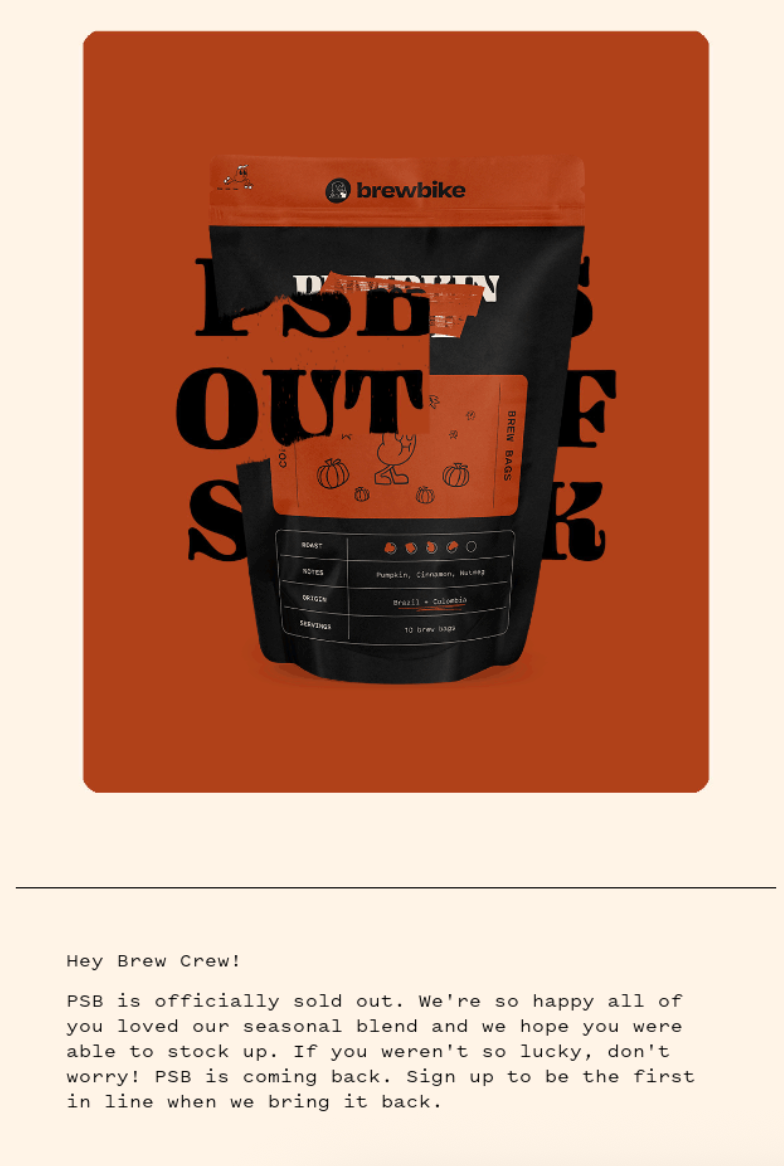
Wishlist stock alert campaigns notify users in real time when items in their wishlist go out of stock. Rather than letting the journey end with an unavailable product, these alerts help you keep the conversation going by suggesting similar or complementary options.
Out-of-stock notifications sustain engagement during stock gaps and remind shoppers that your brand values their interest. Instead of losing that momentum, you redirect it, either toward a restocked item or a related product.
Brands like ASOS and Adidas use this tactic effectively. When a wishlisted item sells out, they send immediate notifications such as “Your saved item is currently unavailable, but here are similar styles trending right now.”
This proactive approach keeps shoppers browsing and buying within the same session, rather than turning to competitors.
Set your automation to trigger based on real-time inventory updates:
Out of Stock Alert: Instantly notify users when their saved item is no longer available, along with 2–3 relevant alternatives.
Low Stock Alert: Trigger when stock falls below a threshold (e.g., less than 10 units). Messaging like “Going fast, limited sizes left!” adds subtle urgency.
Back in Stock Alert: Automatically re-engage users who saved the product, reminding them it’s available again.
Immediate notification: The faster the update, the higher the chance of conversion before users lose interest.
Personalized recommendations: Use browsing or wishlist data to suggest alternatives that match size, color, or category preferences.
Restocking options: Allow users to “reserve” or sign up for notifications when the item returns, keeping them looped in.
Smart sequencing: Combine stock alerts with price drop notifications for restocked items to maximize reactivation potential.
Omnichannel automation: Send alerts via email and WhatsApp simultaneously for faster visibility and better response rates.
A well-timed stock alert campaign can:
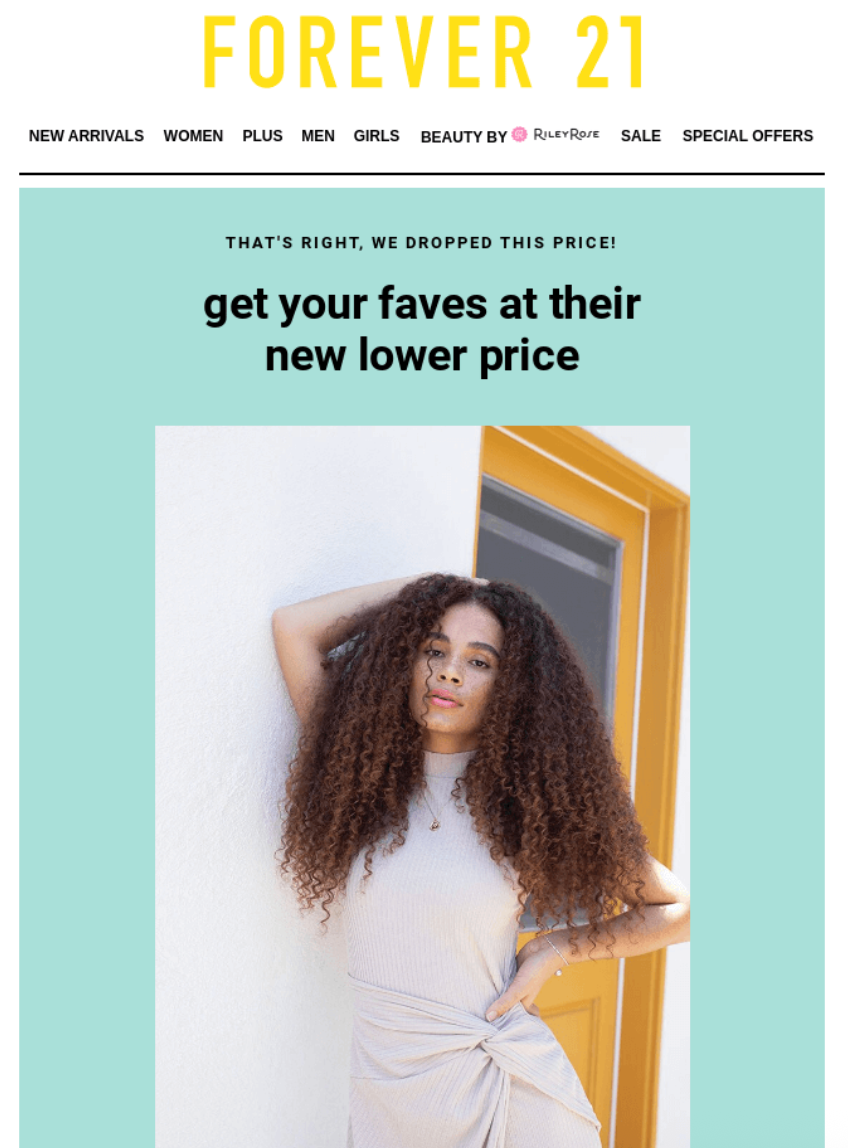
A price drop recovery campaign automatically notifies users when a product on their wishlist goes on sale or enters a promotional offer. It’s one of the most effective ways to re-engage users who loved a product but weren’t ready to buy at full price.
Instead of waiting for them to rediscover your sale, you meet them where they are with a message that feels timely and personal.
Price is one of the most common friction points in a customer’s journey. When you address it directly, you remove a key barrier to purchase. These alerts also create urgency, since shoppers know discounts don’t last forever.
It’s a win-win because your brand clears inventory faster, and your customers feel rewarded.
Set your automation to trigger whenever a wishlisted item’s price decreases due to a campaign, seasonal sale, or coupon-based discount.
Immediate price drop notification: Notify users the moment a product they saved goes on sale.
Limited-time promotion trigger: Reinforce urgency with messaging like “Your saved item is now 20% off; the offer ends tonight.”
Multi-channel follow-up: Send alerts via email and WhatsApp to ensure visibility during sale windows.
Highlight savings clearly: Lead with the percentage or amount saved (e.g., “You’re saving $40 on your wishlist item!”).
Use urgency with tact: Include countdown timers or short sale durations to drive faster decisions.
Personalize the message: Reference the specific item saved, not just the discount category.
Segment by interest level: Prioritize high-intent users who’ve viewed the item multiple times or added it recently.
Follow up smartly: If users still don’t purchase, use a reminder email or WhatsApp message before the offer expires.
With well-timed price drop notifications, you can:
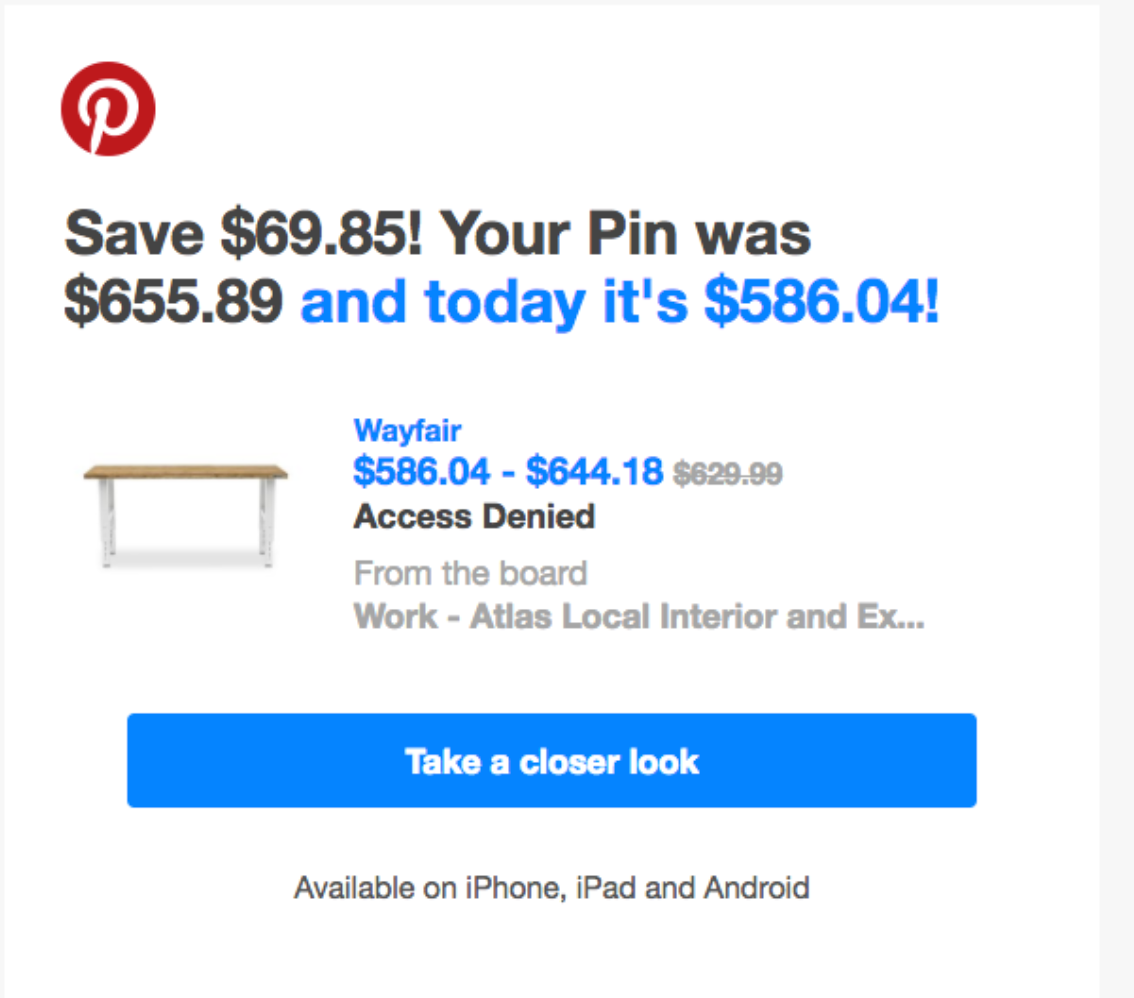
A price comparison campaign showcases the before and after prices of wishlisted products to make the value crystal clear. It’s a direct, visual way to show shoppers exactly what they’re saving. For example, when a product drops from $120 to $89, the deal speaks for itself.
This campaign is especially effective for users who are browsing during sales but need a compelling reason to check out. When you quantify the savings, you convert passive interest into confident purchase action.
Visual proof is one of the strongest purchase triggers in e-commerce. When customers see the difference in price, they perceive a greater sense of value and urgency.
This type of campaign taps into the psychology of “getting a deal.” It creates excitement while reassuring customers that they’re making a smart choice.
Set your automation to trigger whenever promotional pricing goes live for any item saved in a customer’s wishlist.
Before-and-after price alert: Notify users as soon as the price changes, clearly displaying the original and discounted prices (e.g., “Was $150, now $99”).
Limited-time offer reminder: Reinforce urgency with follow-up messaging like “Your saved item is cheaper than before! Sale ends tonight.”
Multi-channel visibility: Deliver these alerts via both email and WhatsApp to ensure shoppers don’t miss out.
With consistent price comparison campaigns, you can:
Wishlists are one of the strongest indicators of purchase intent in e-commerce. Yet, without the right strategy, this intent remains untapped. Activating wishlist data through four powerful campaign types—reminders, stock alerts, price drop recovery, and price comparison—can transform passive interest into active revenue.
Each strategy works at a different stage of the shopper journey: reminders keep your brand top-of-mind, stock alerts sustain engagement, price drop notifications overcome hesitation, and price comparisons trigger action through visible value. Together, they create a full-funnel approach that nurtures high-intent users toward conversion.
But the real shift happens when you stop treating wishlists as static data and start using them as dynamic conversion tools. With the right automation and personalization, every saved product becomes a sales opportunity waiting to be unlocked.
Ready to turn your wishlist browsers into buyers?
Explore implementation playbooks with ZEPIC use cases and start converting intent into measurable revenue.

%201.png)


.png)